Costume and dress-up
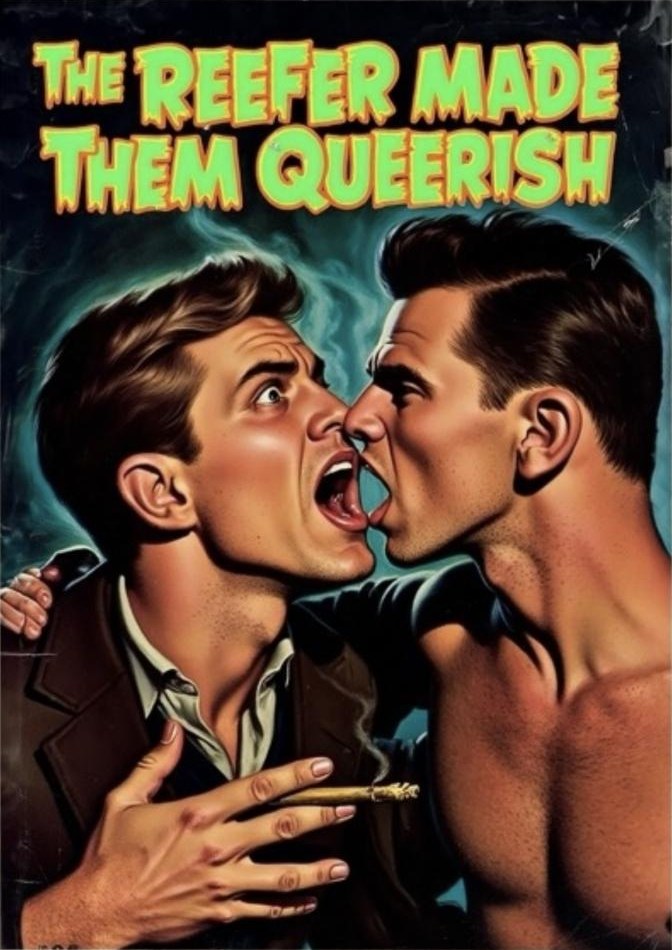
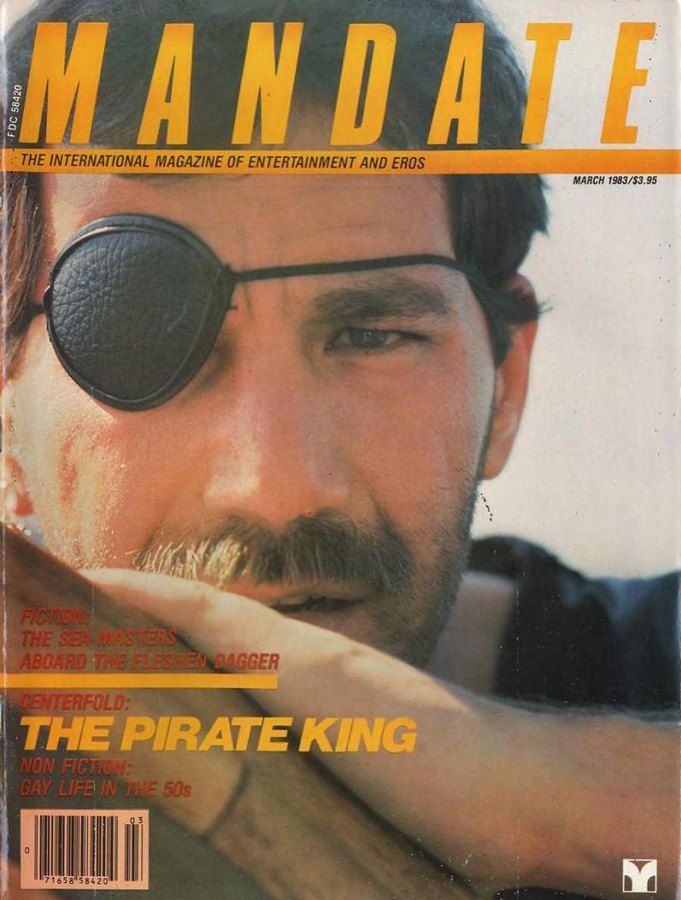
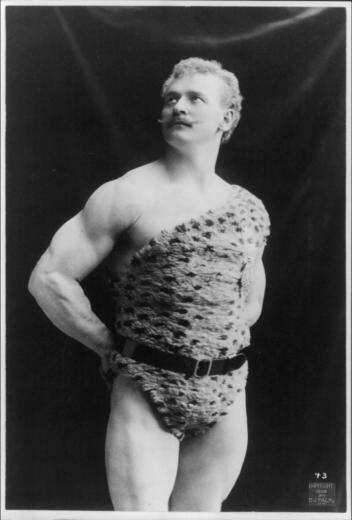
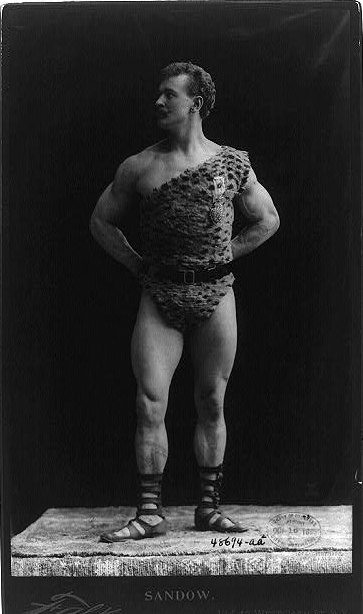
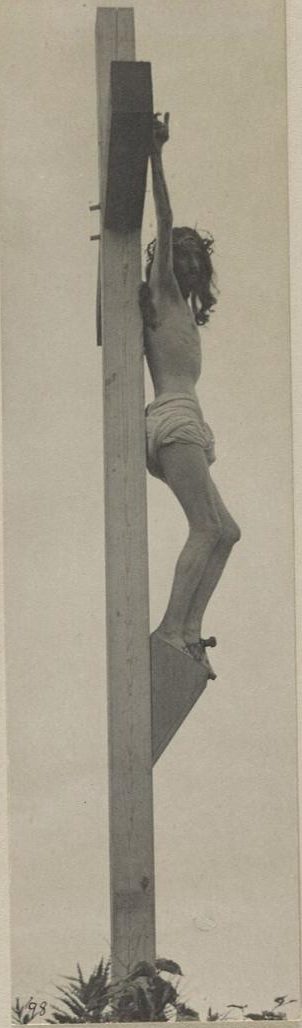
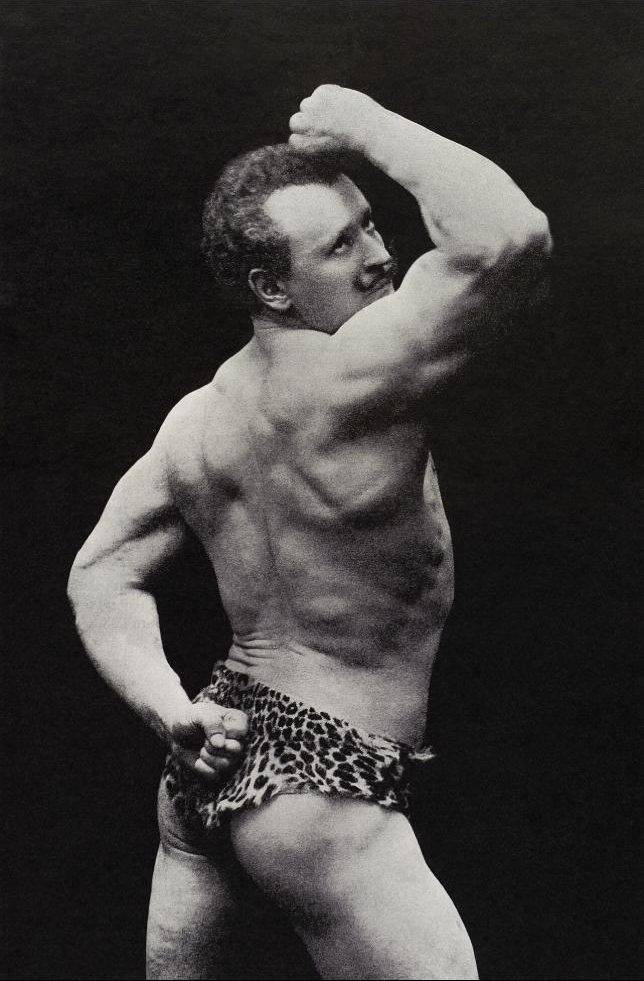
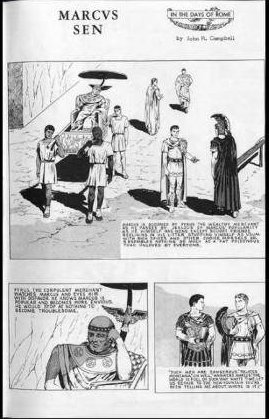
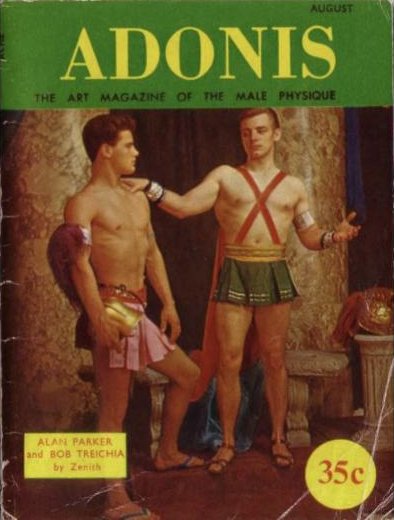
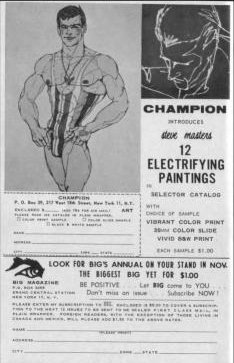
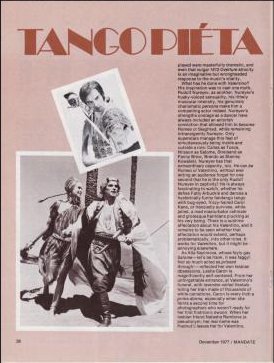
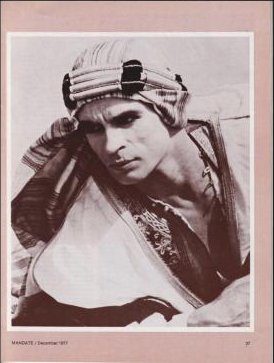
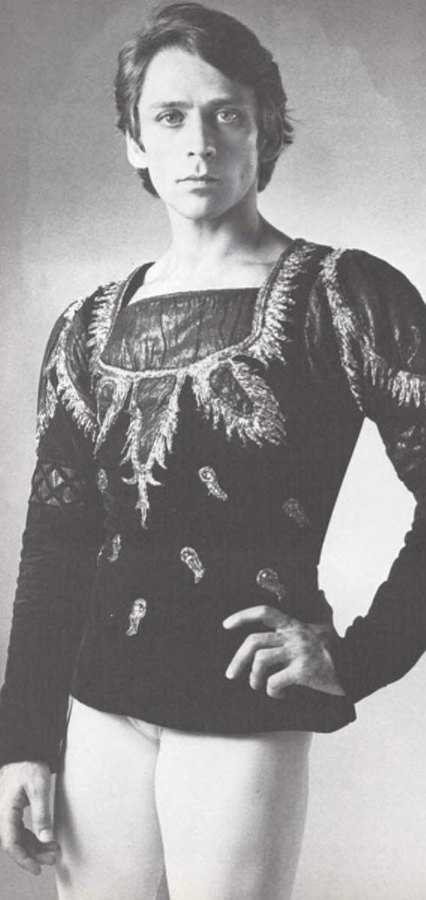
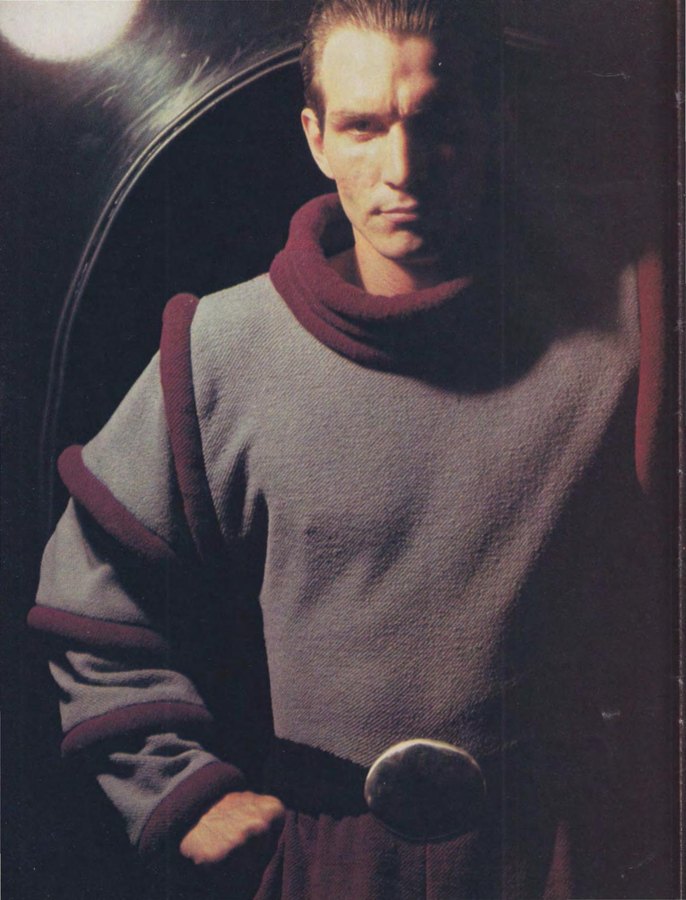
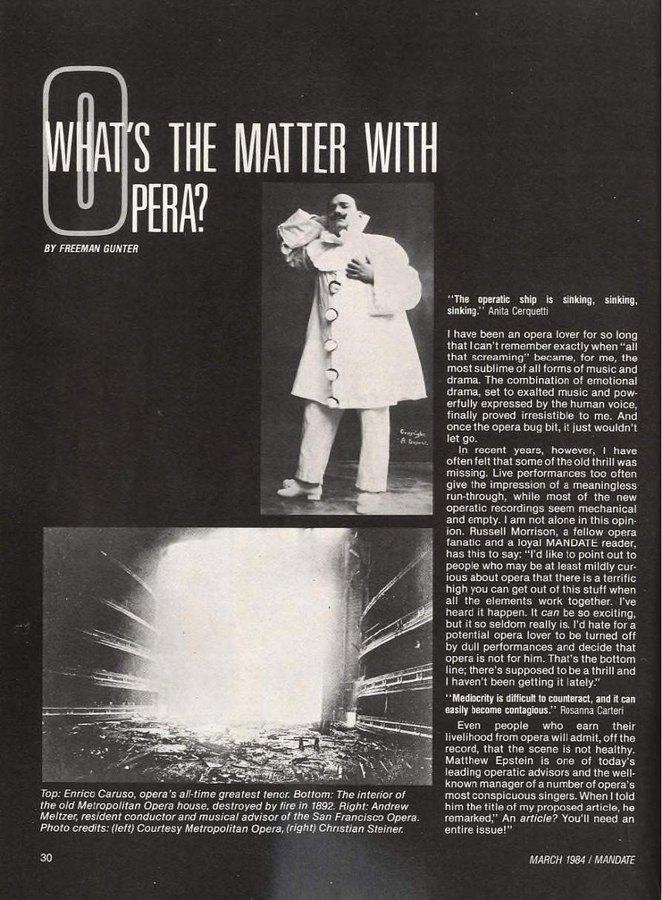
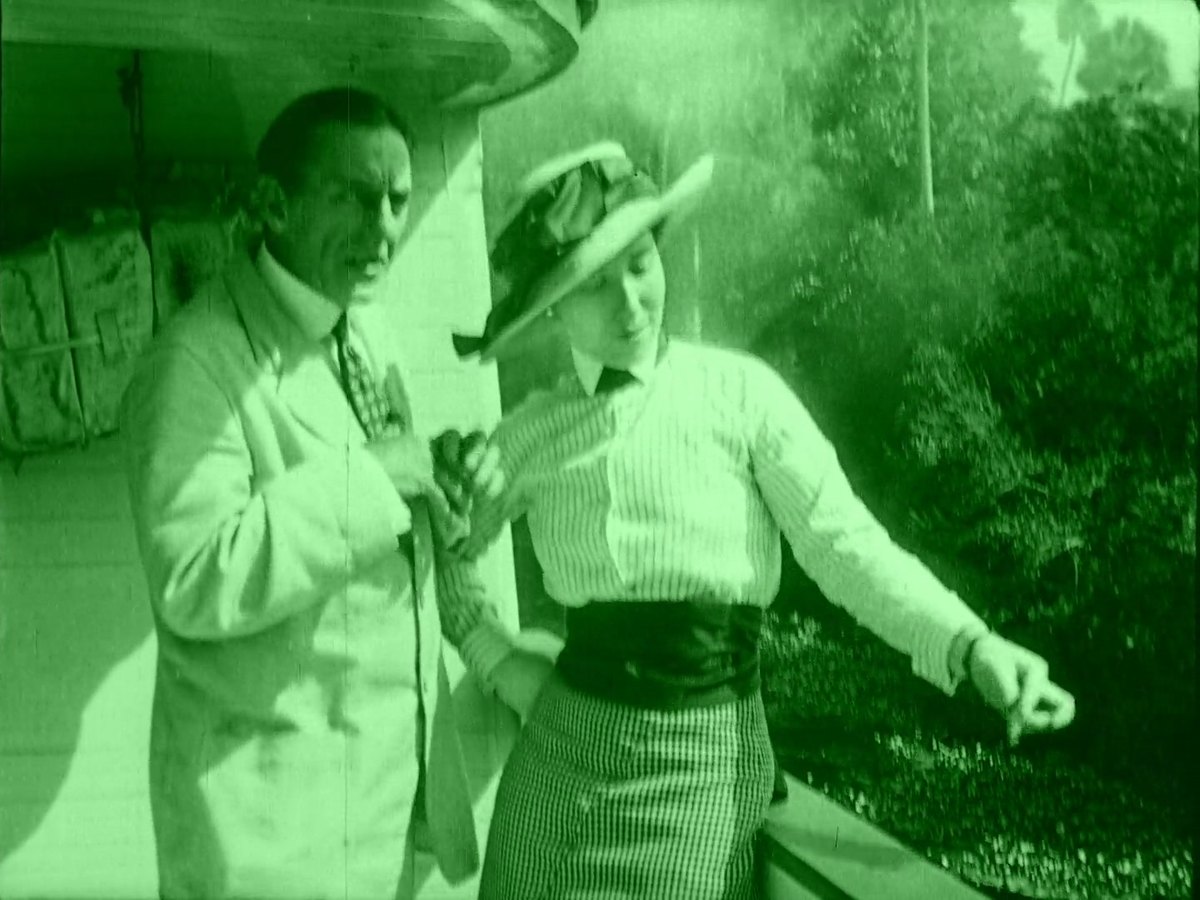
Costume runs through vintage gay art from the very start: the leopard skin, the toga and the stage outfit gave photographers and artists a reason to show the male body and a story to hang it on. Eugen Sandow posed in a leopard-skin costume and Roman sandals for Benjamin J. Falk in New York in 1895, and F. Holland Day cast himself as Christ in his staged photographs of 1898. The 1950s physique magazines went to Rome: Art and Physique ran the toga comic 'Marcus Sen, in the Days of Rome' in 1958, and Adonis staged gladiators among plaster columns in 1959. Mandate later shot Rudolf Nureyev as Valentino and as the Sheik (1977), ballet star Ivan Nagy in a Swan Lake costume by Roy Blakey (1978) and Mickey Squires as 'The Pirate King' (1983).



Quick answers
Why did early physique photographers use costumes? Costume gave a classical or theatrical excuse for showing the body. Sandow's leopard skin of the 1890s and the togas and gladiator sets of 1950s titles like Adonis and Art and Physique framed muscle as art, history or entertainment.
Who photographed Sandow in his leopard skin? Benjamin J. Falk of New York; his photograph No. 48, copyrighted in October 1895, shows Sandow in a leopard-skin costume and Roman sandals. The Library of Congress lists it with no known restrictions.
Which magazine photographed dancers in costume? Mandate: in December 1977 it ran stills of Rudolf Nureyev as Valentino, and in January 1978 Roy Blakey photographed the Hungarian ballet star Ivan Nagy in an embroidered Swan Lake costume for 'Lyrical Athletes'.
Read more
- The Vigil, Ward 5B and the bar benefits: how San Francisco kept the holidays during AIDSRead
- Gay boyfriend gifts, sorted by the man you actually sleep next toRead
- Gay Ski Week turns 50. Winter is the new Pride season.Read
- Club Kid is out. Here is who the real Club Kids were.Read
- Before Heated Rivalry, there were the physique magazinesRead
- The mustache never leftRead