Bars, discos and nightlife
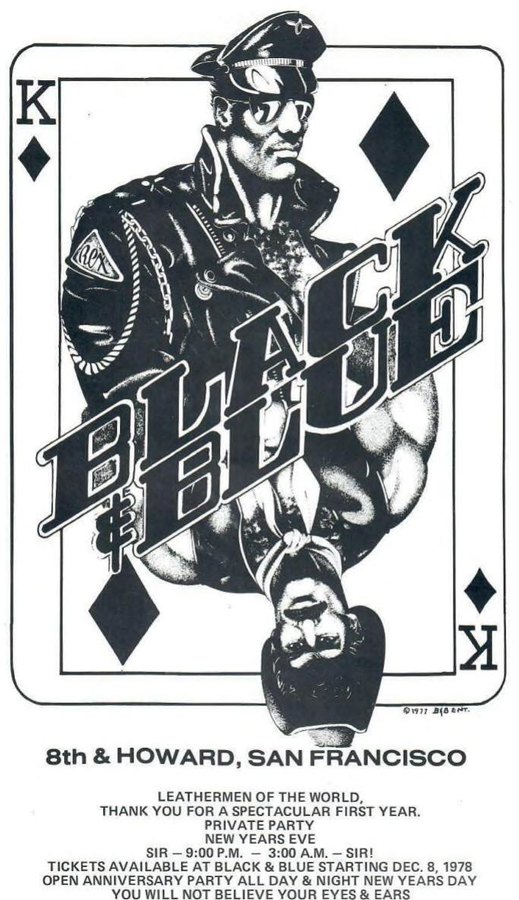
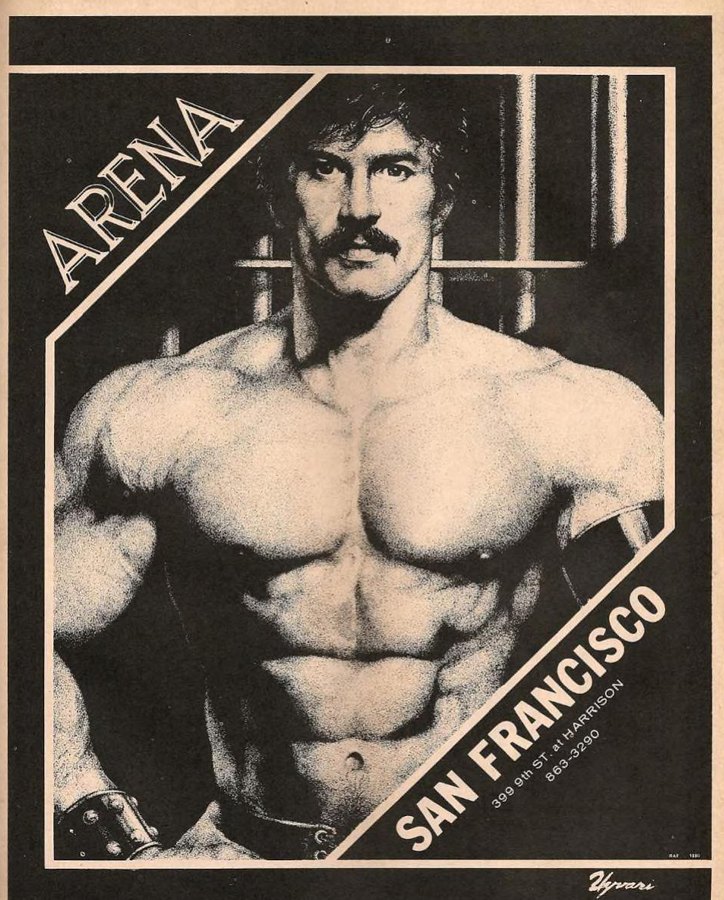
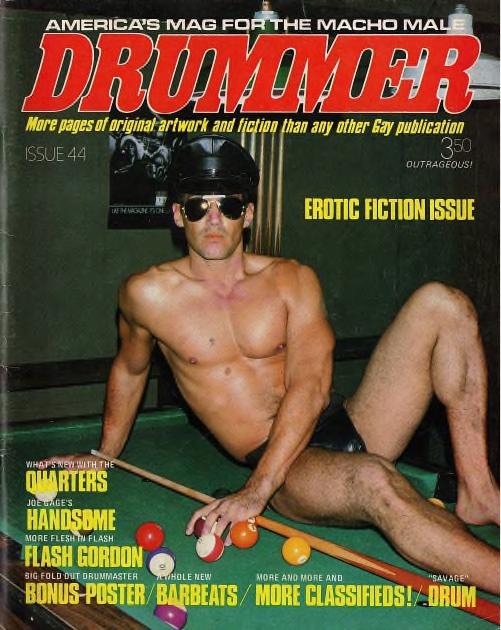
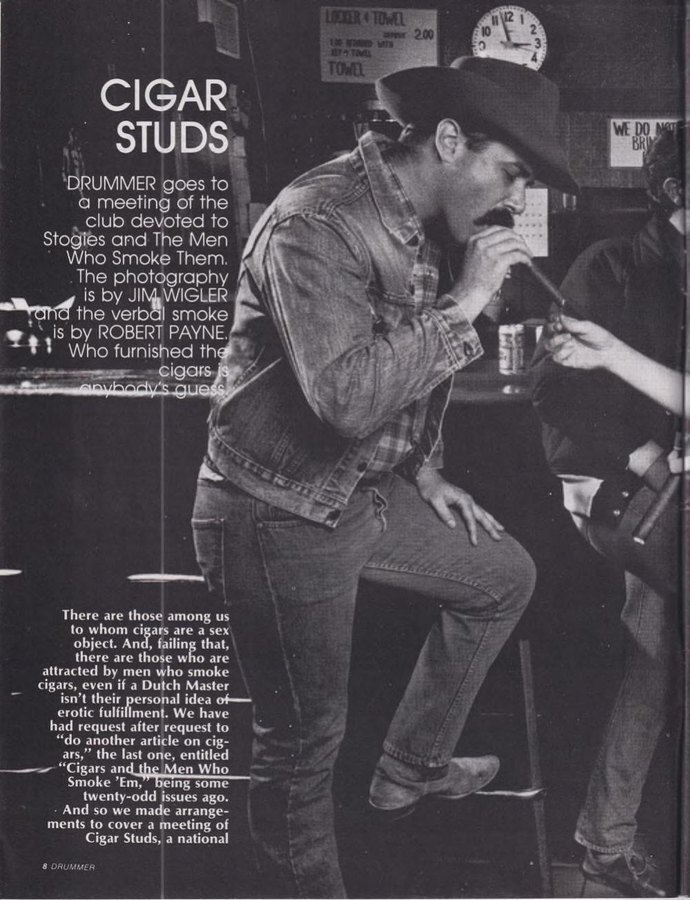
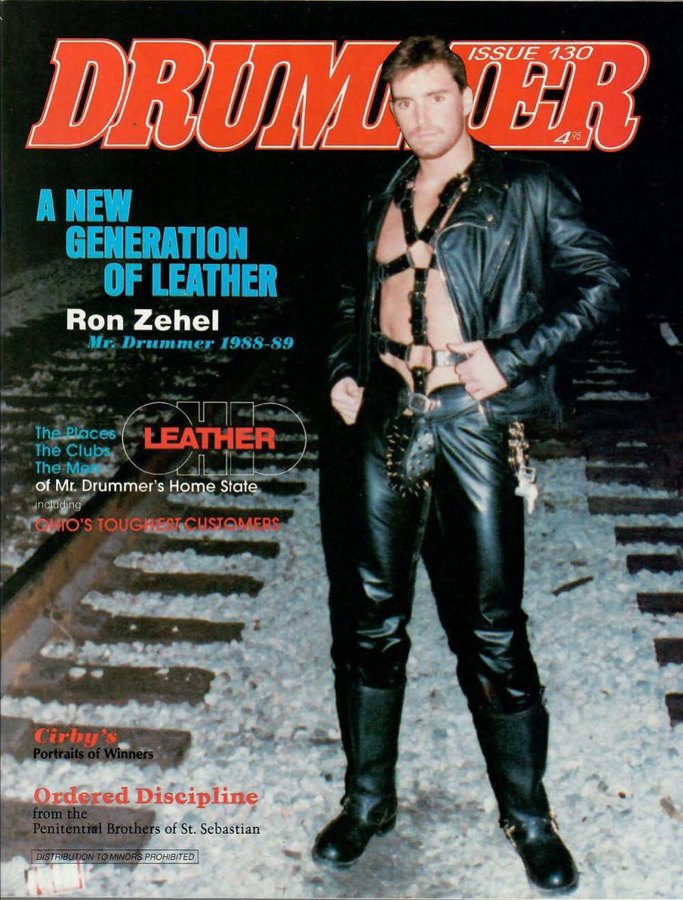
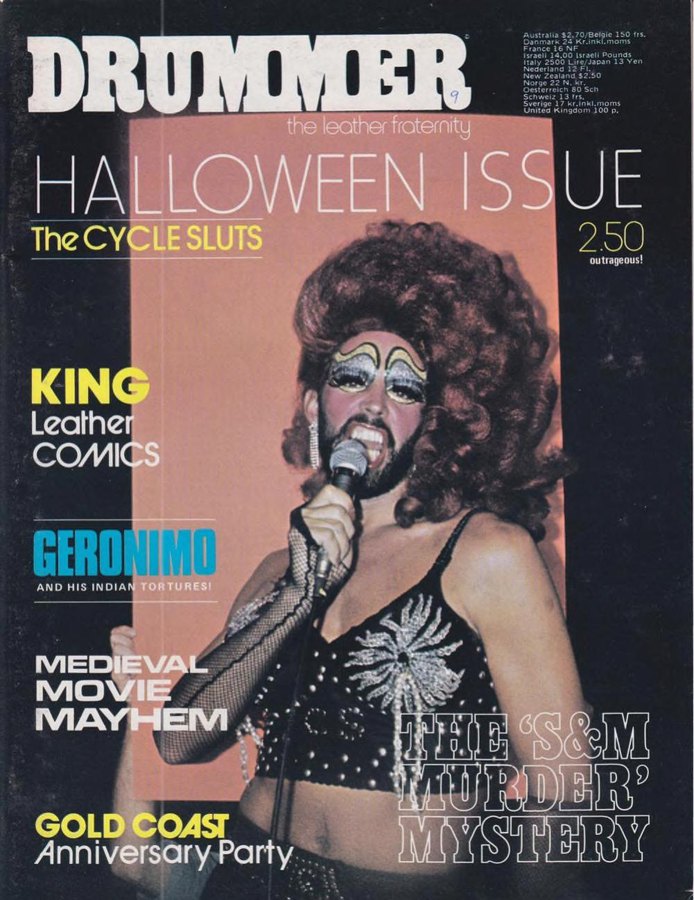
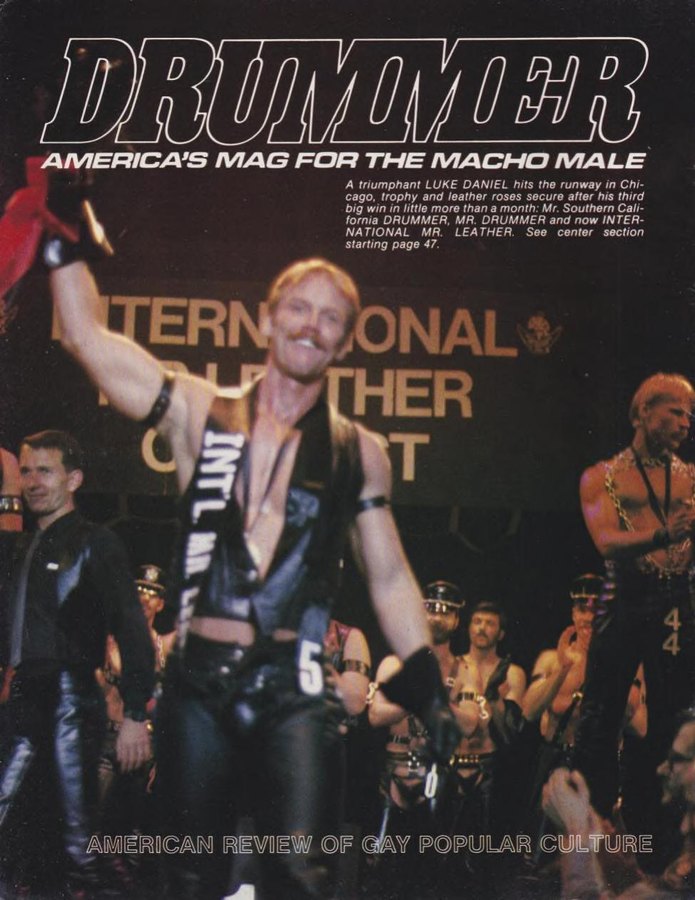
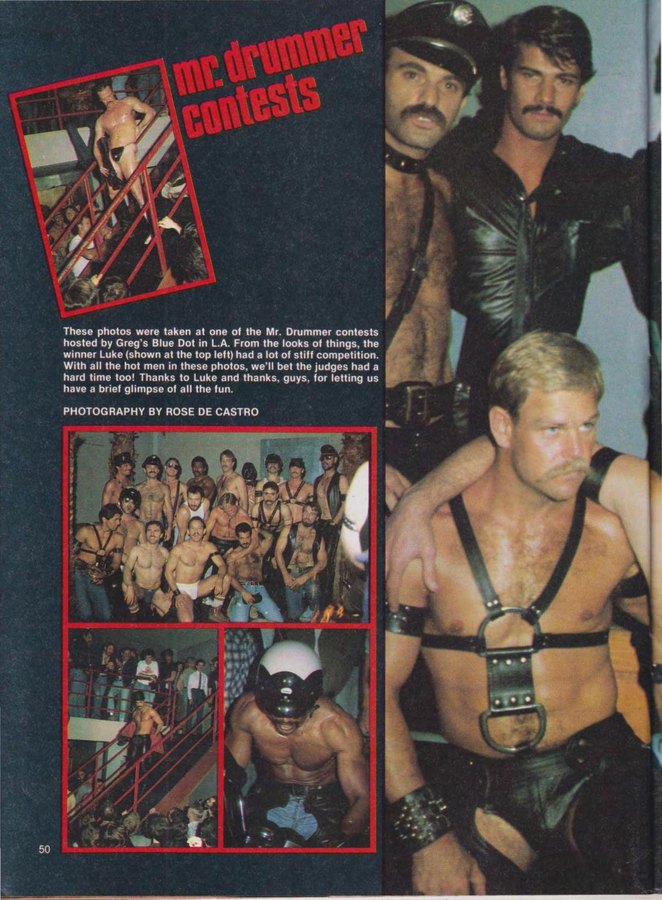
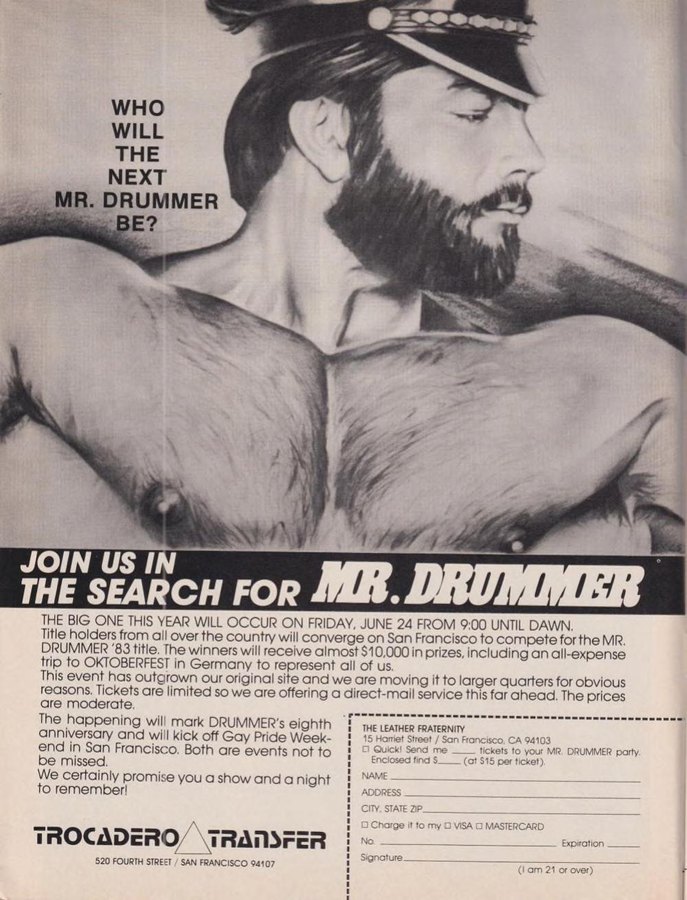
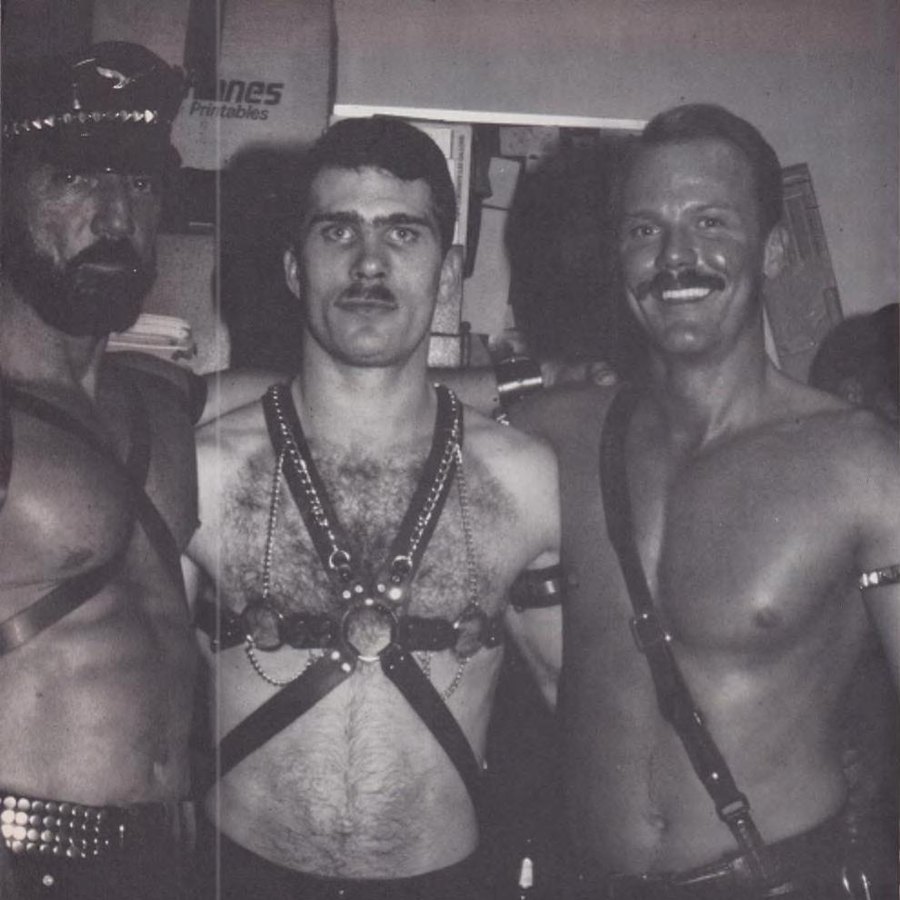
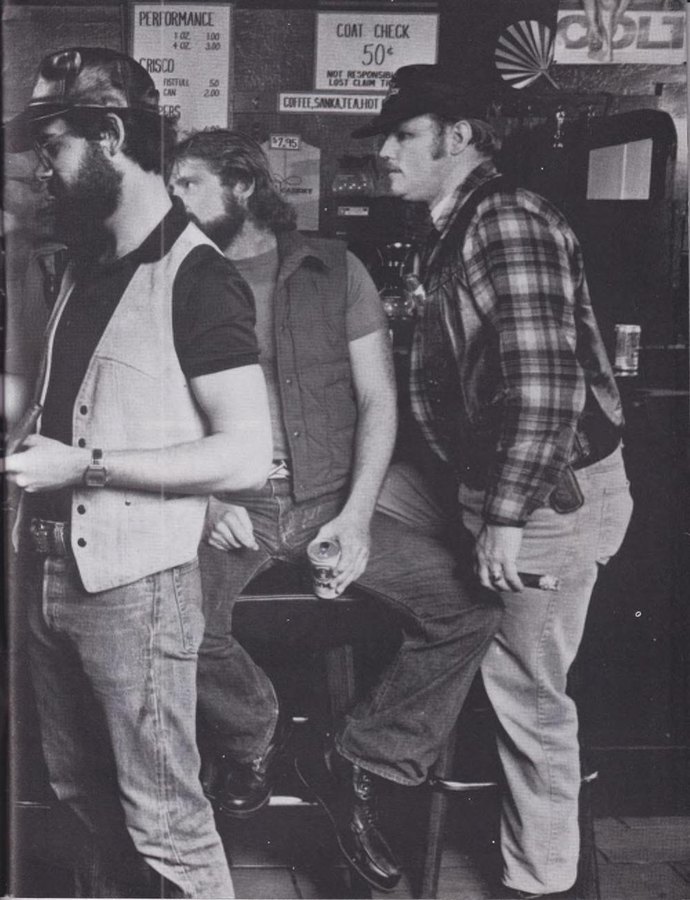
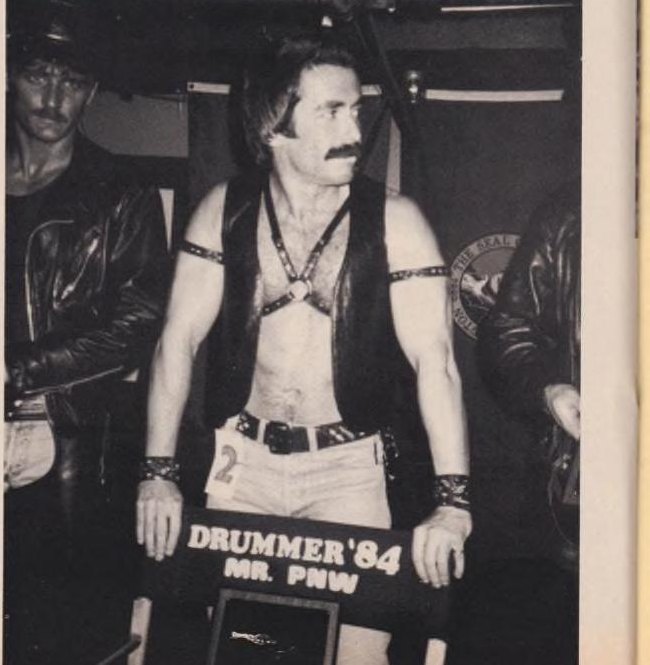
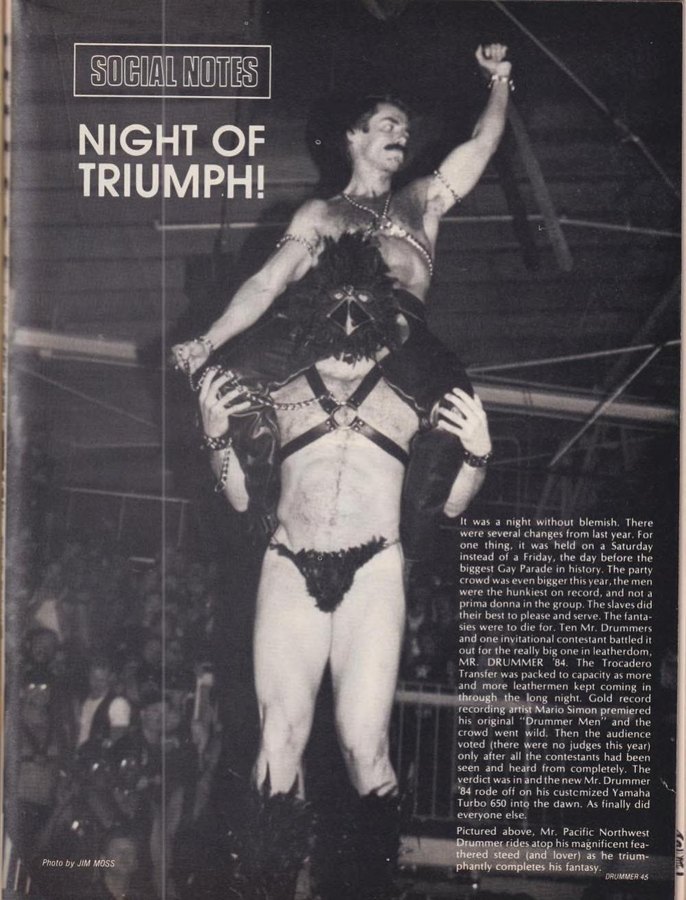
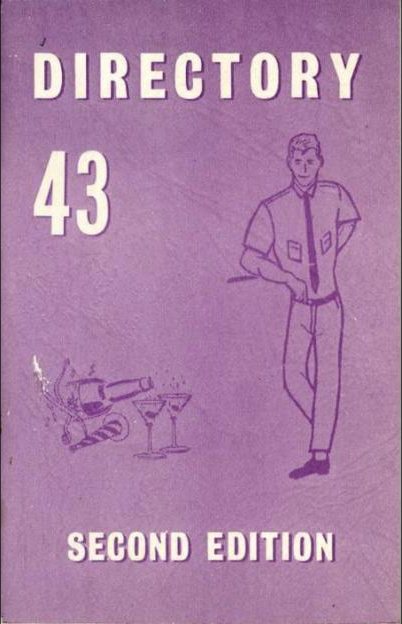
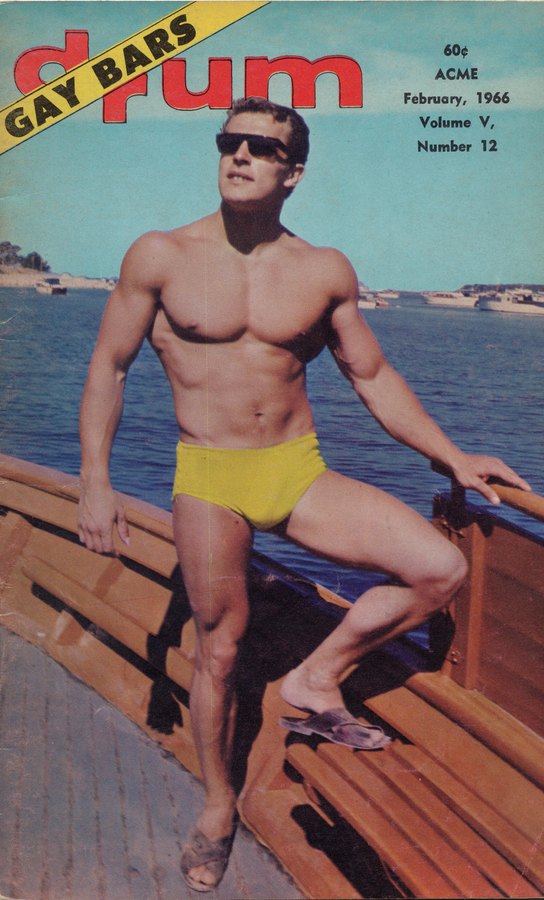
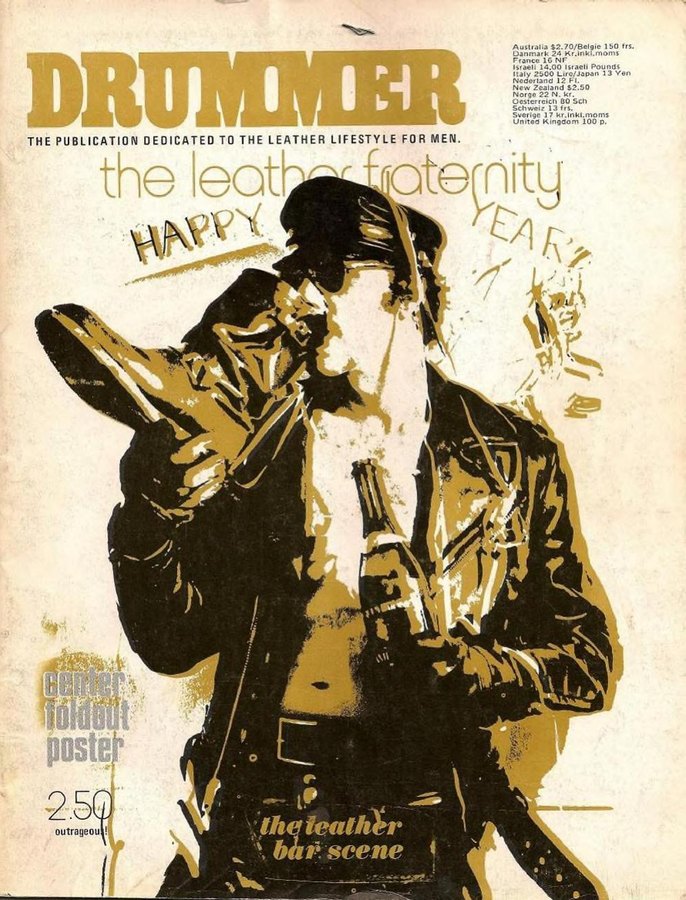
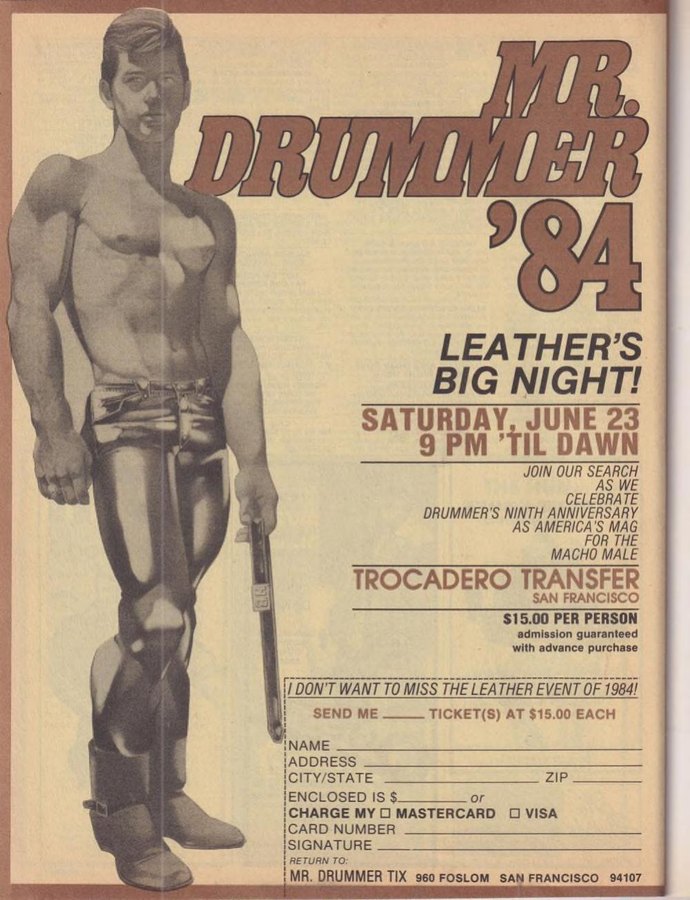
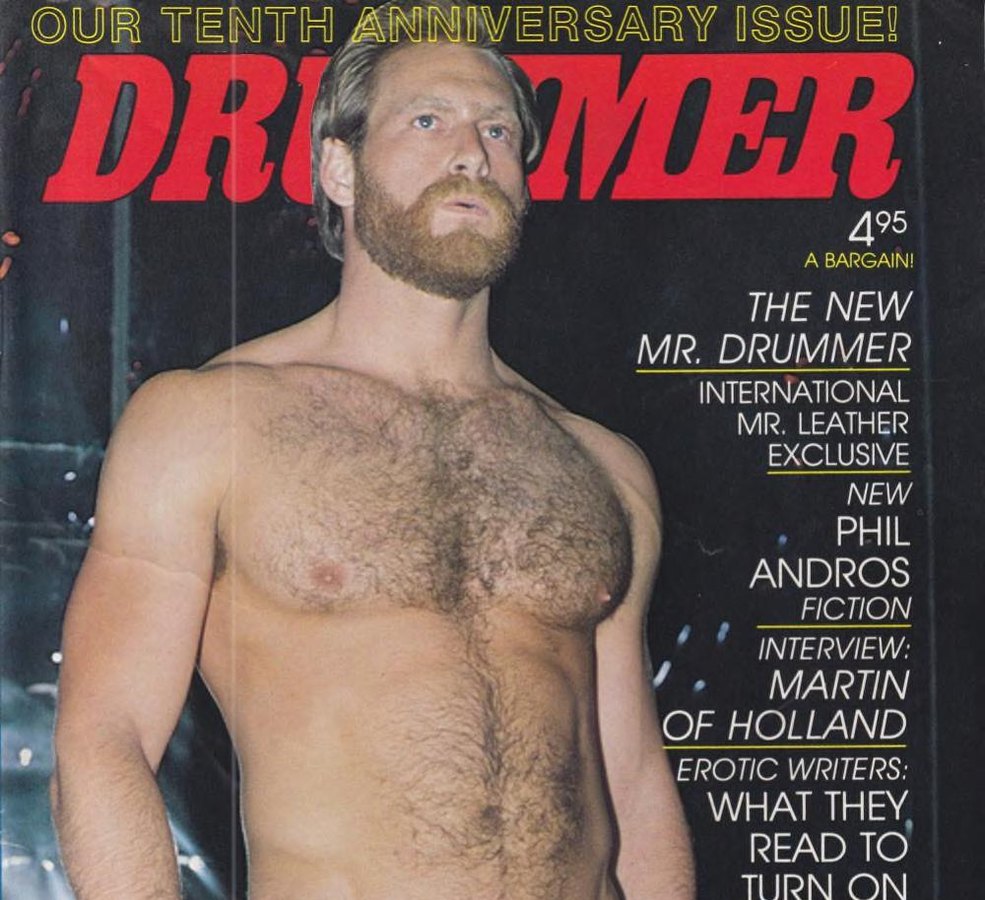
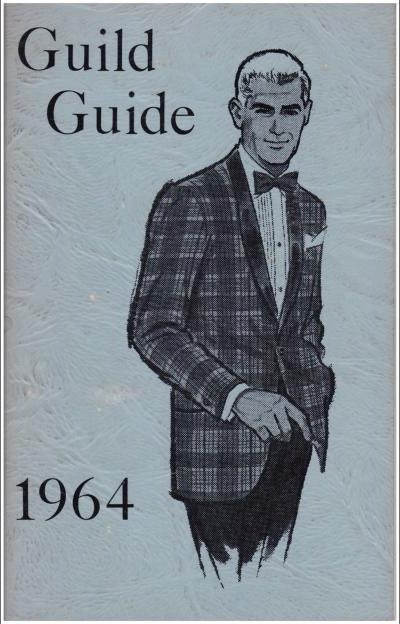
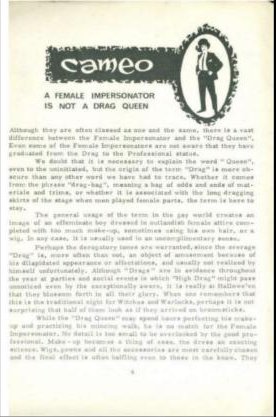
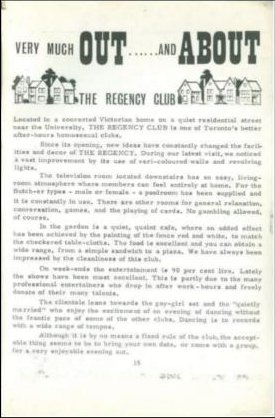
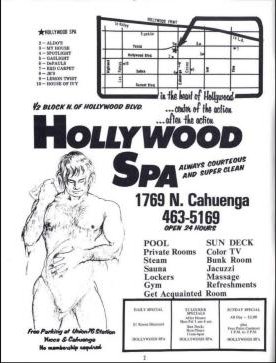
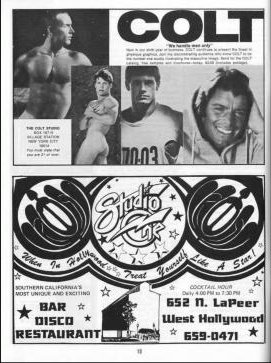
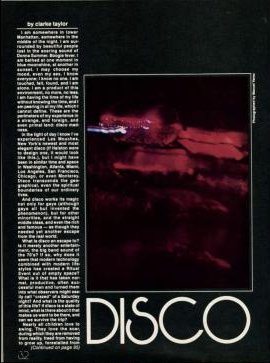
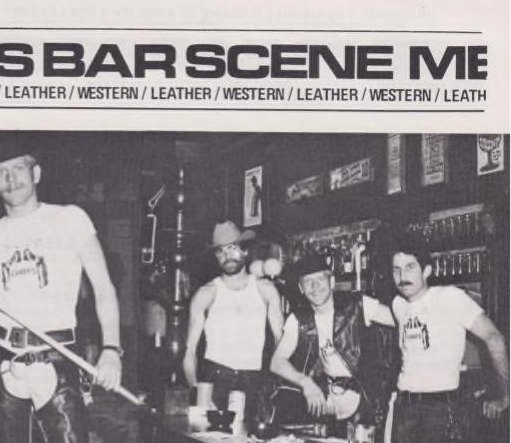
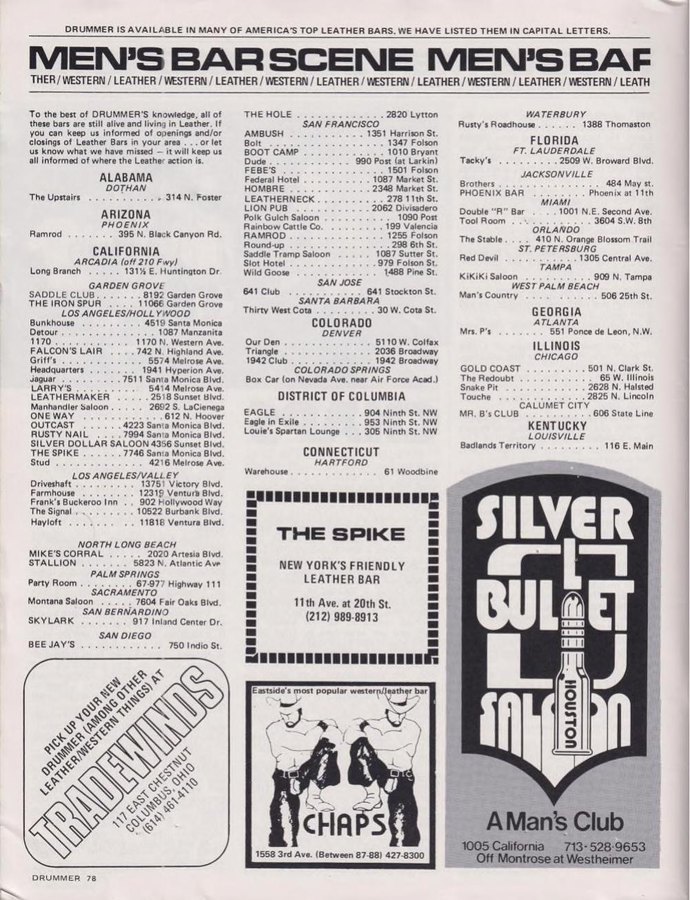
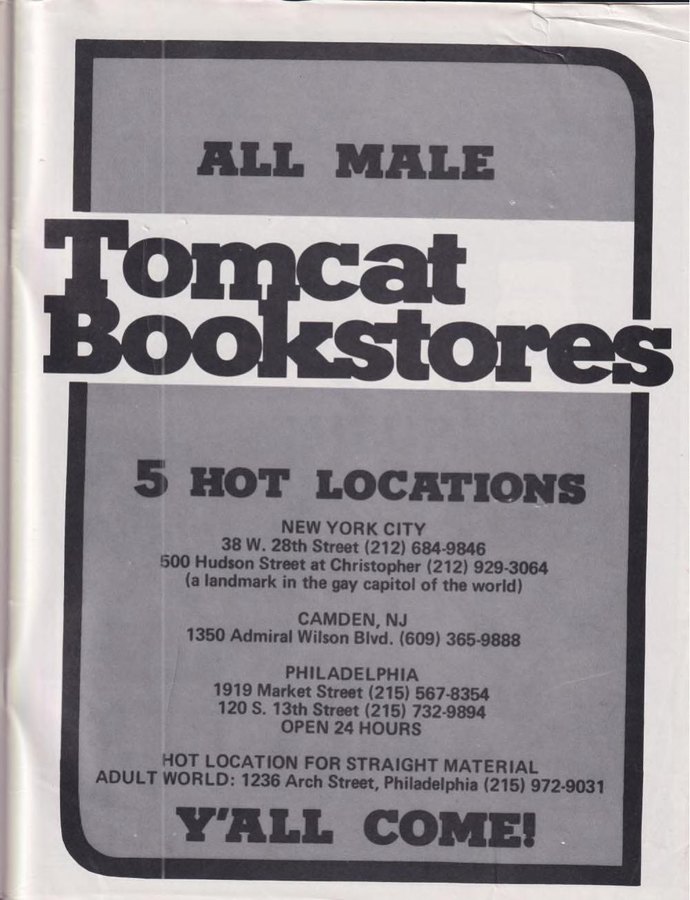
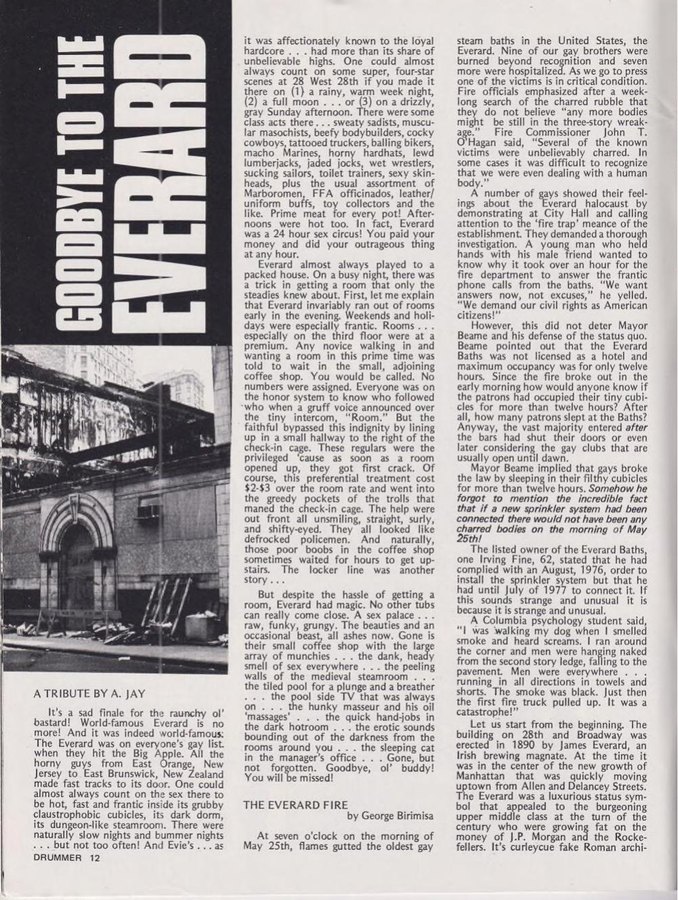
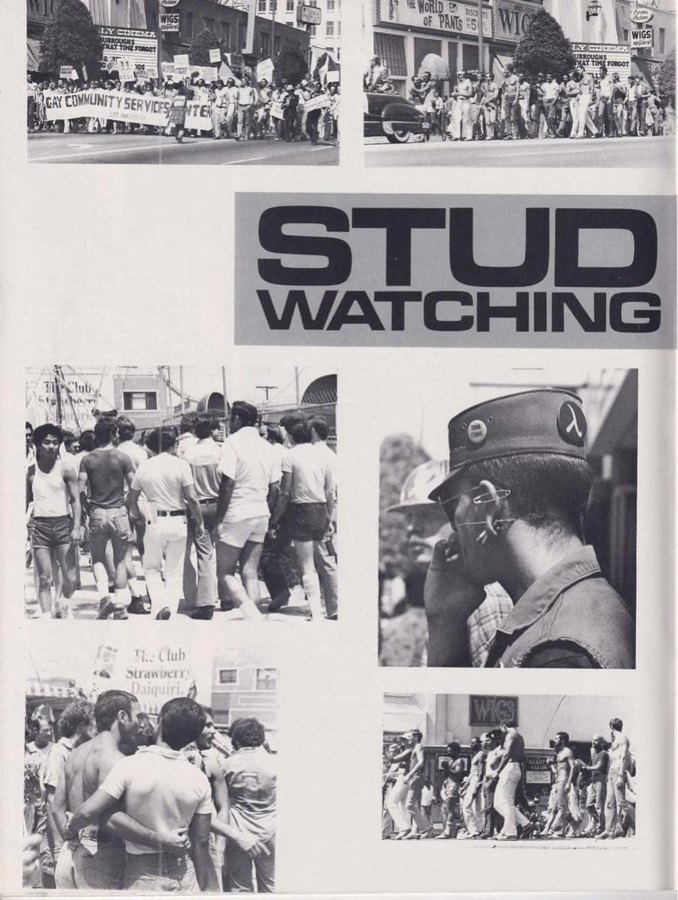
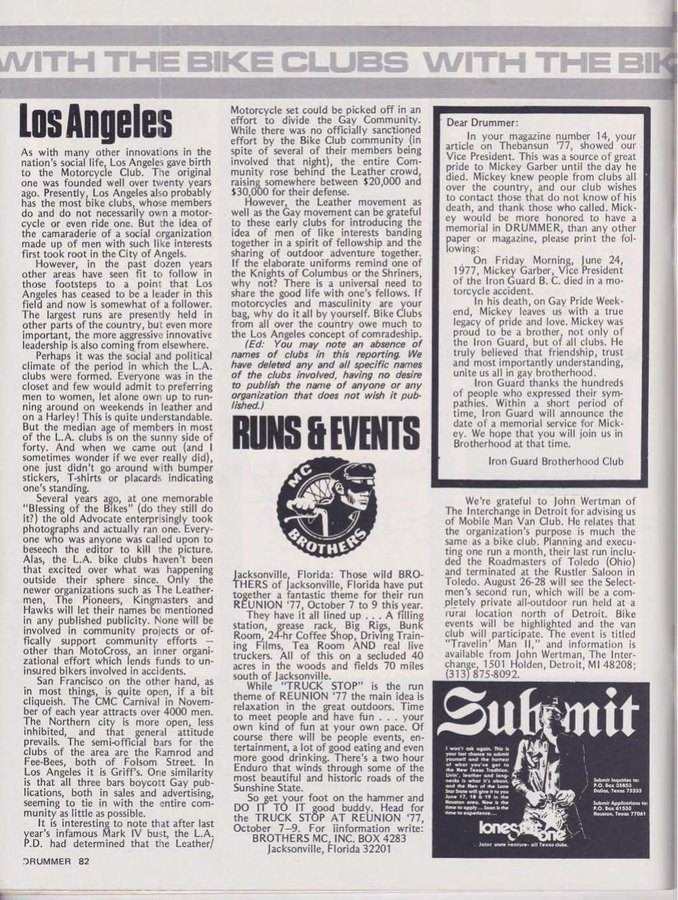
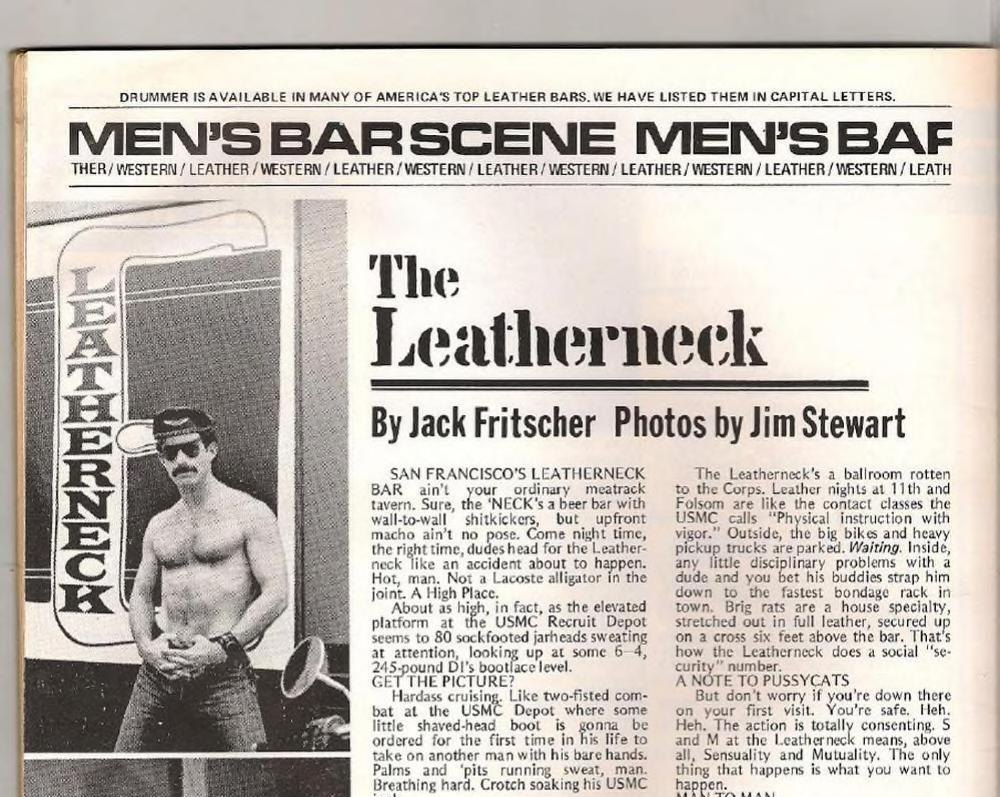
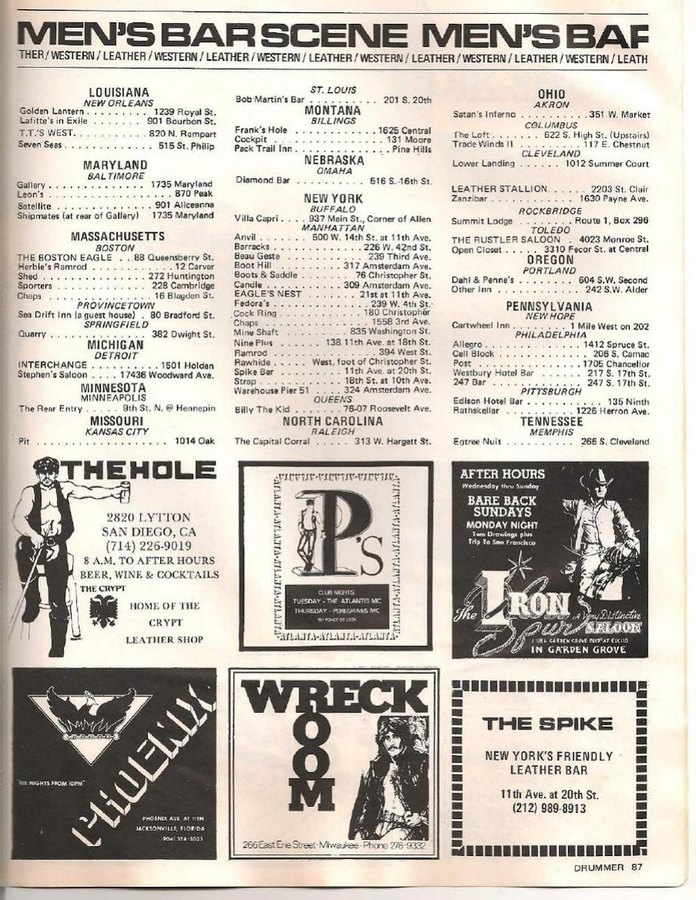
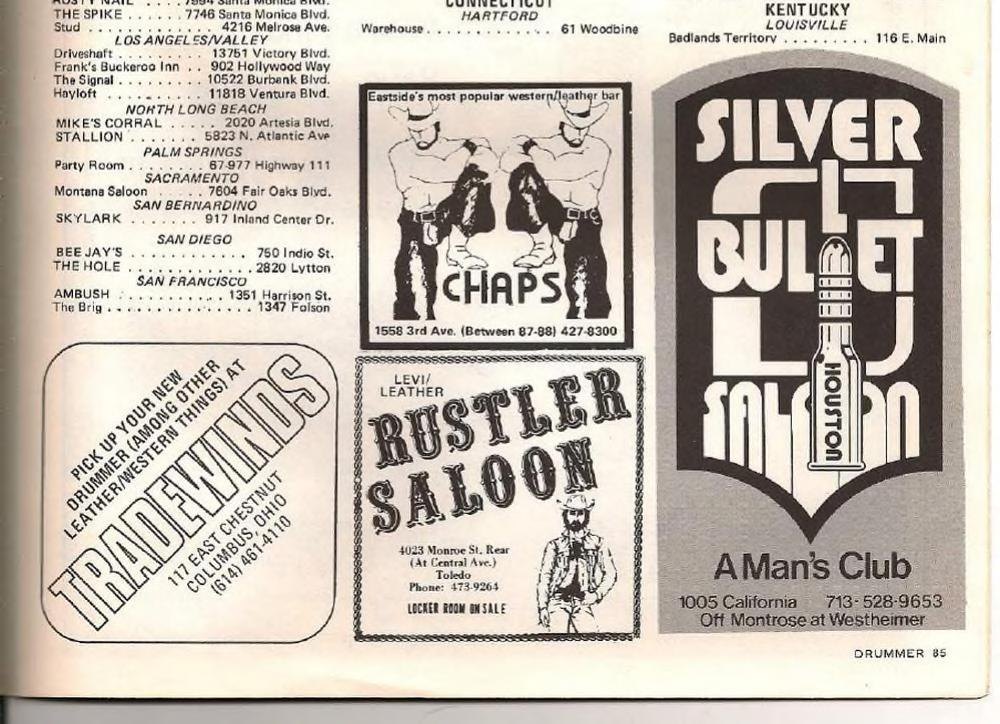
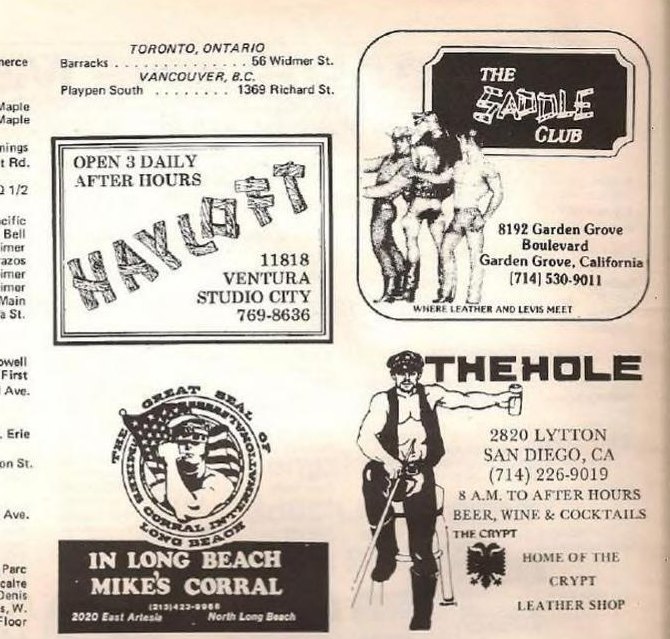
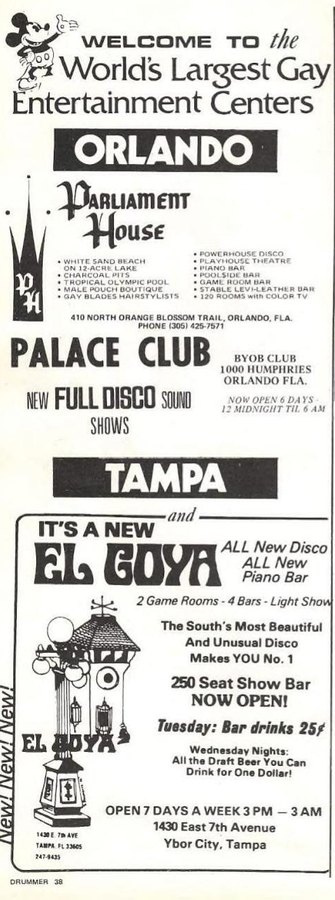
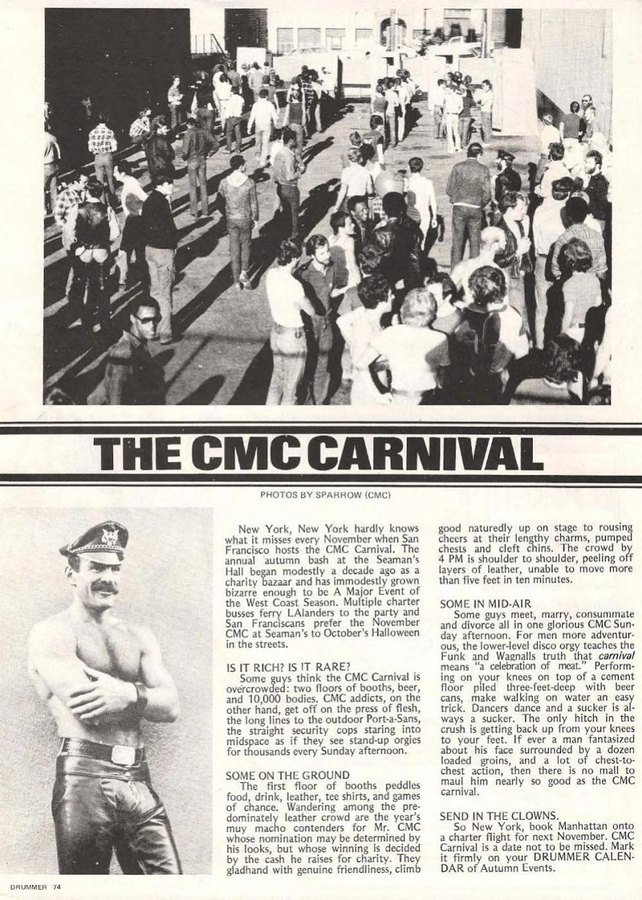
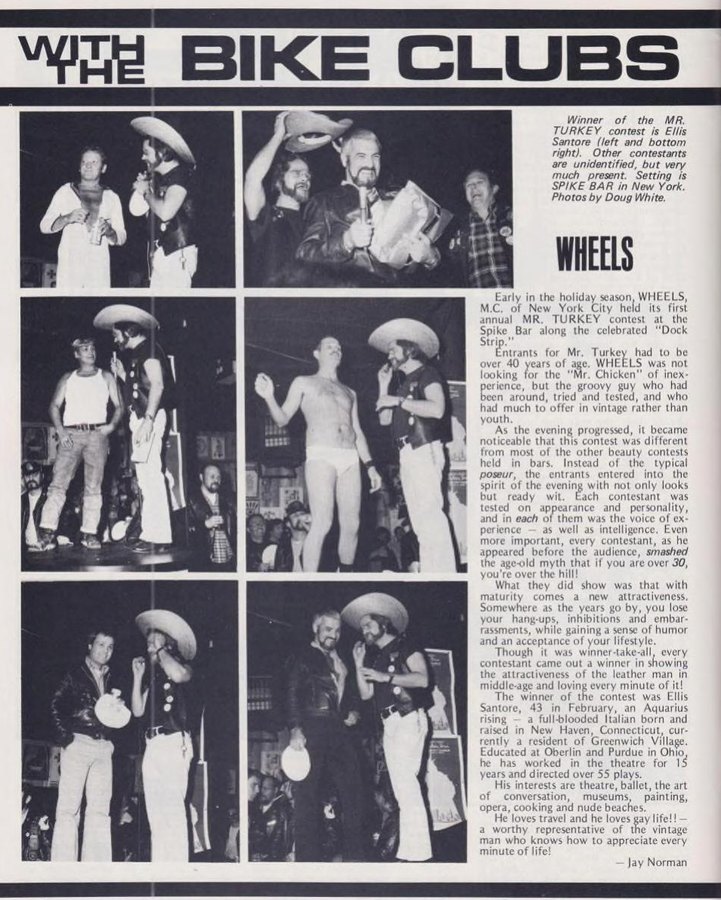
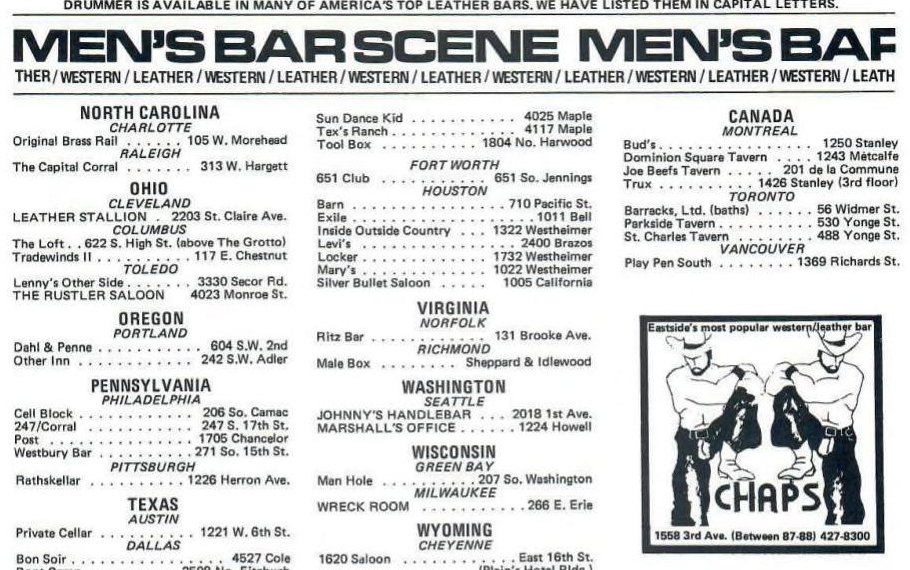
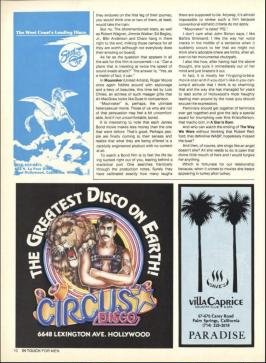
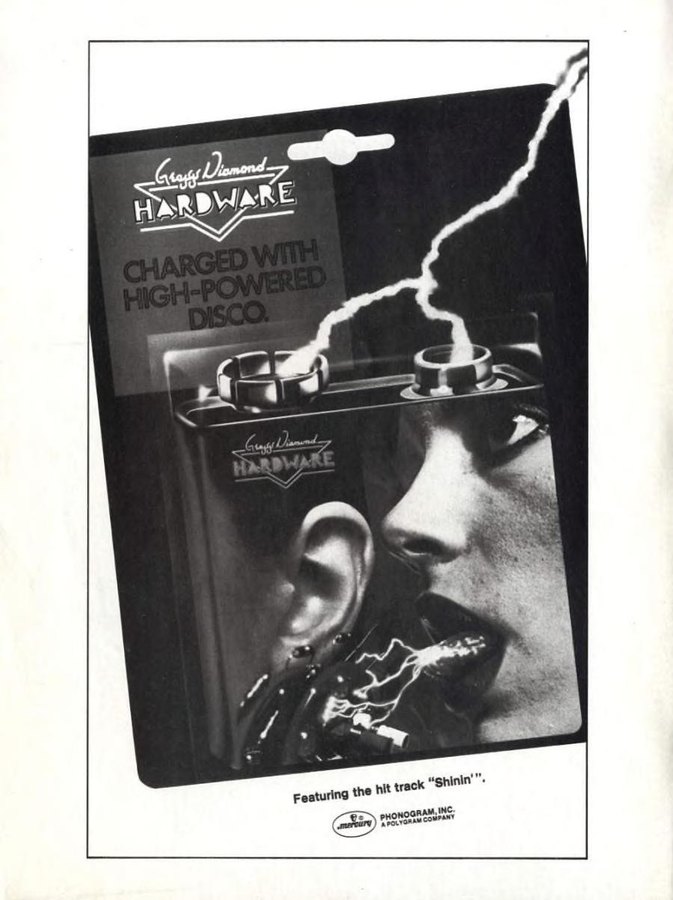
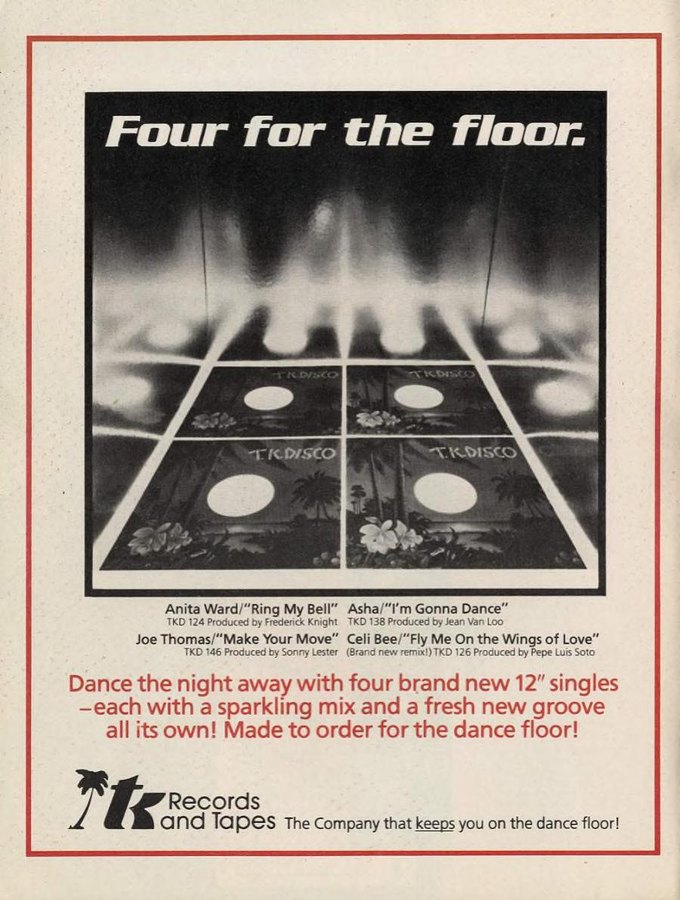
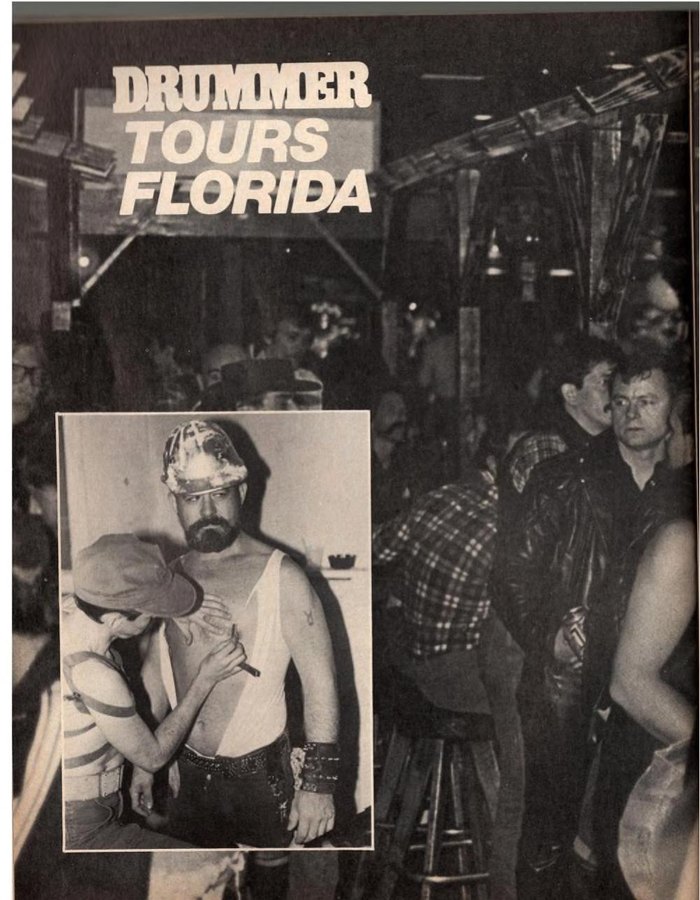
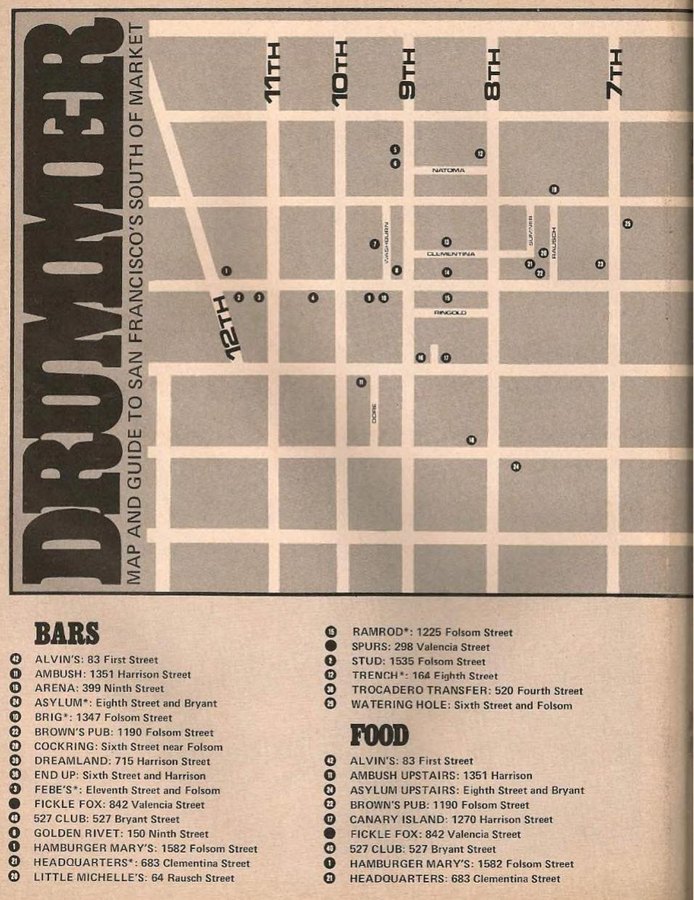
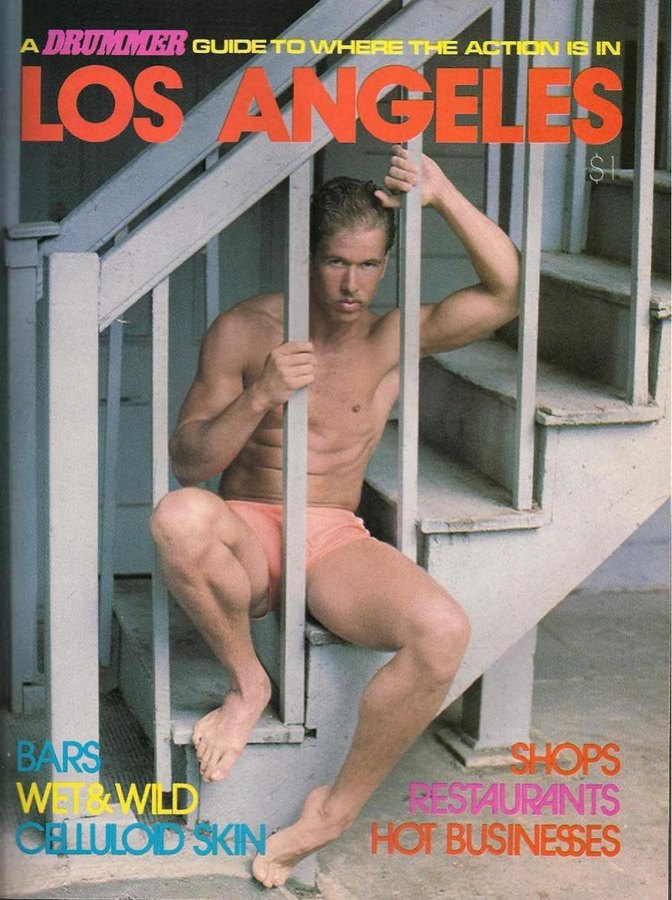
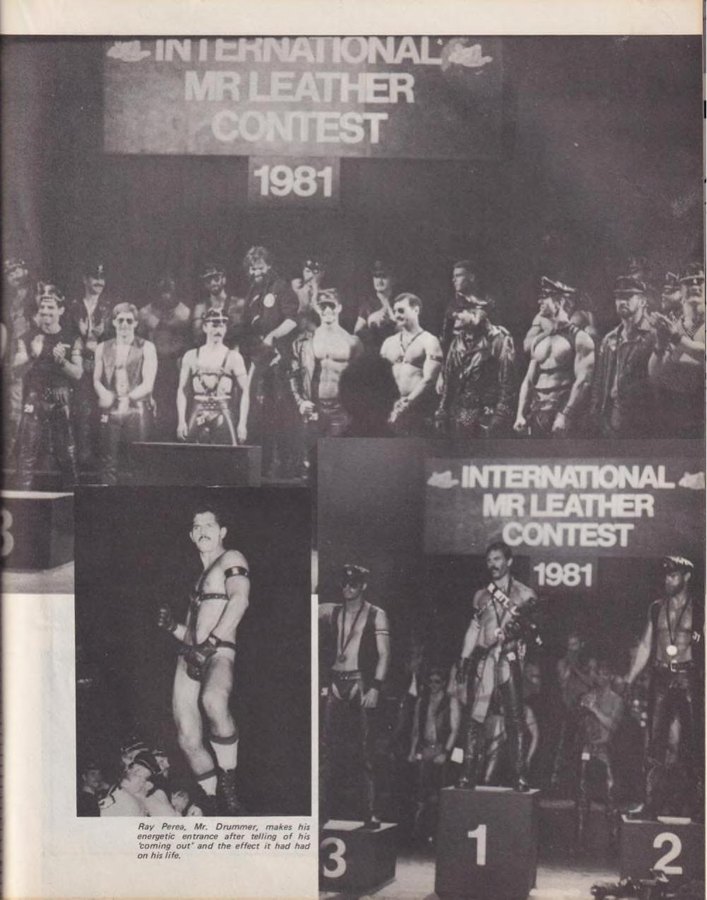
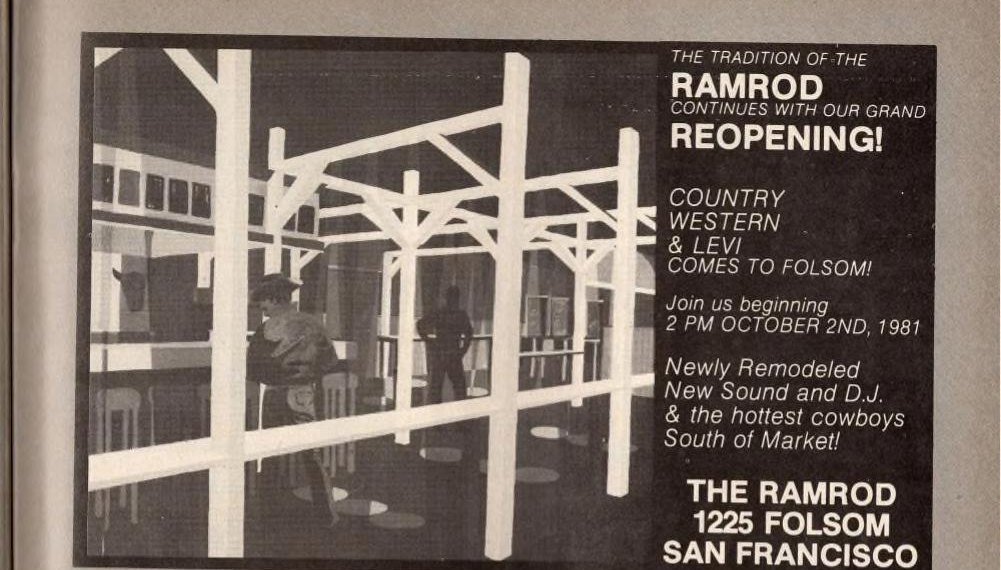
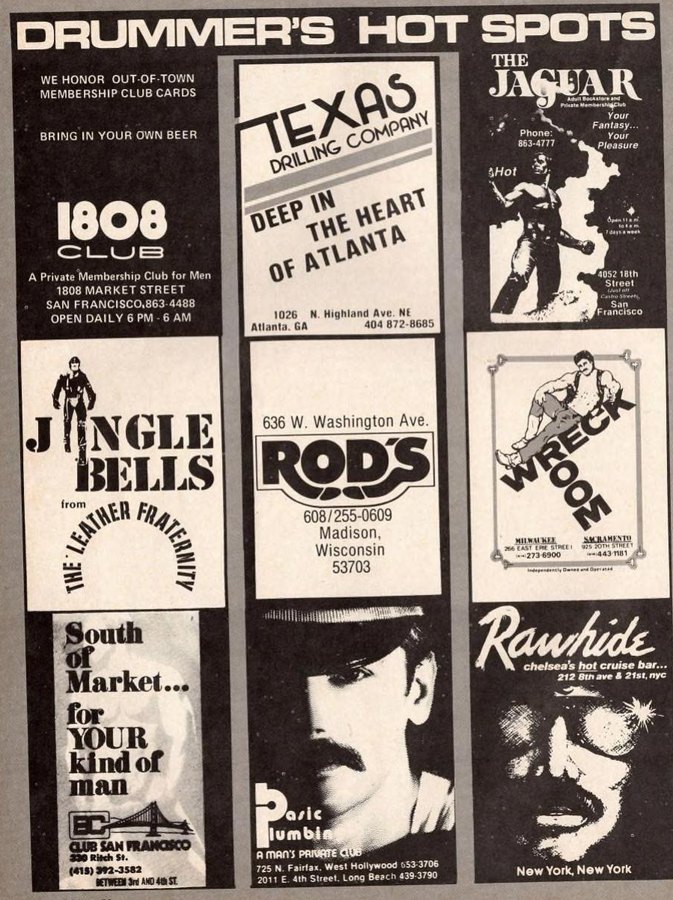
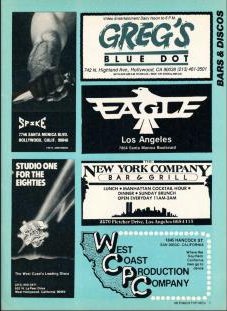
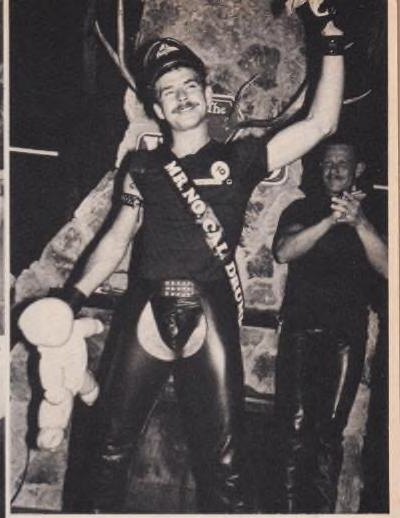
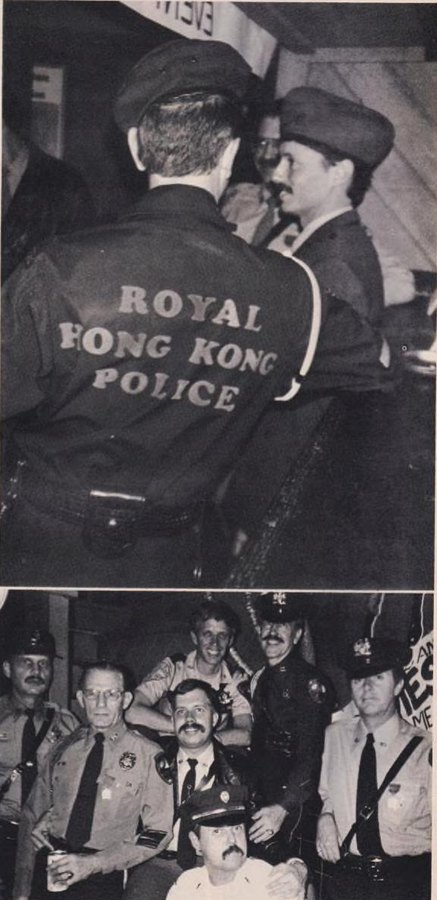
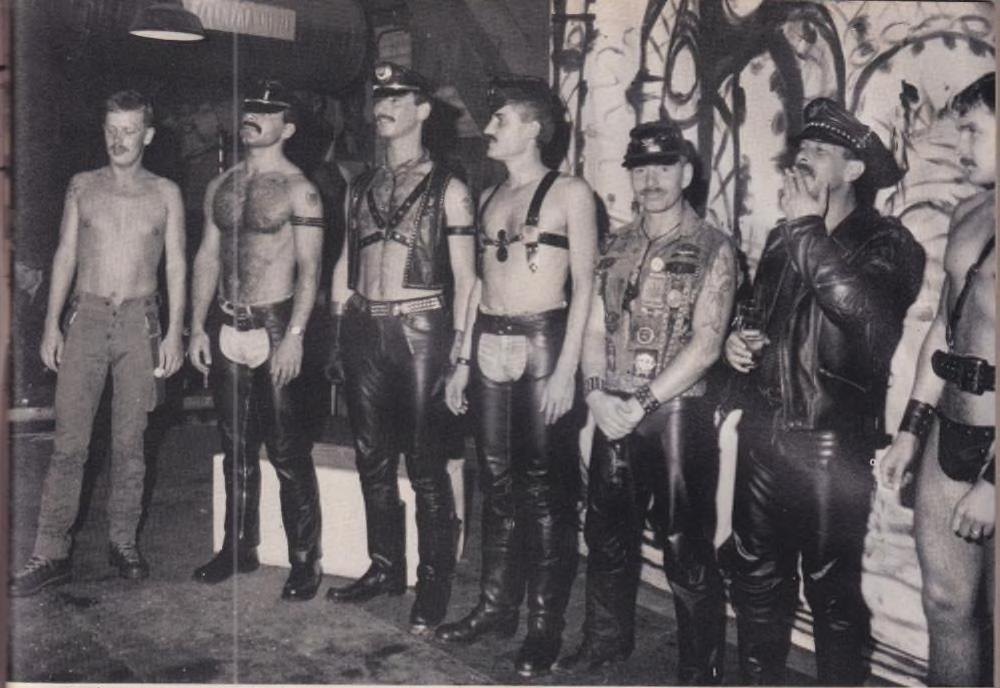
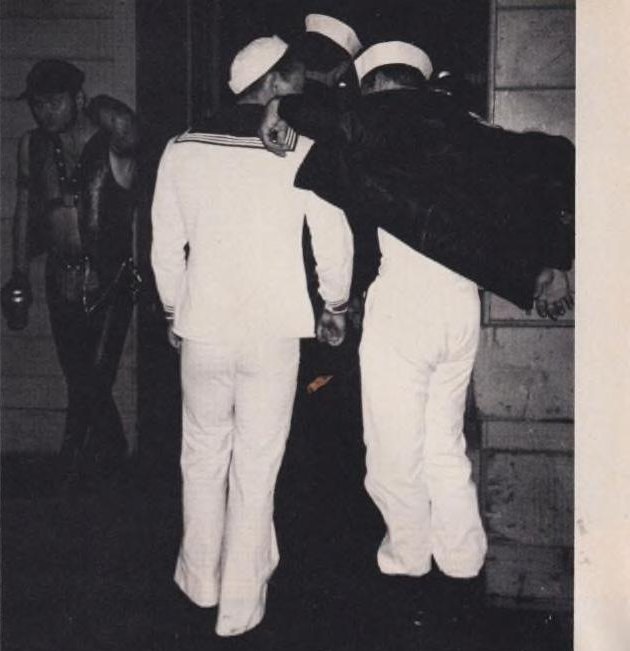
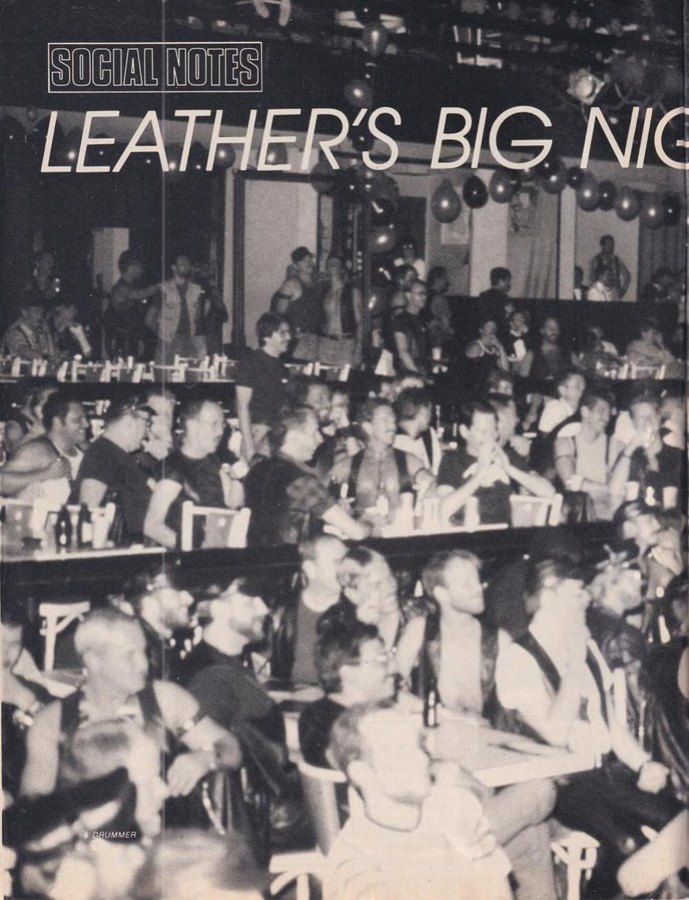
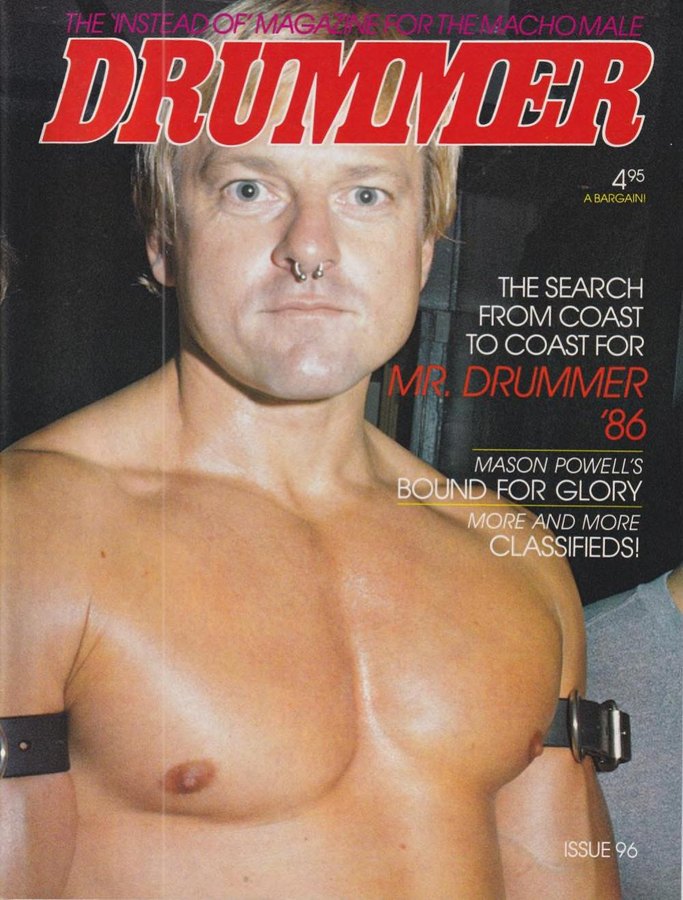
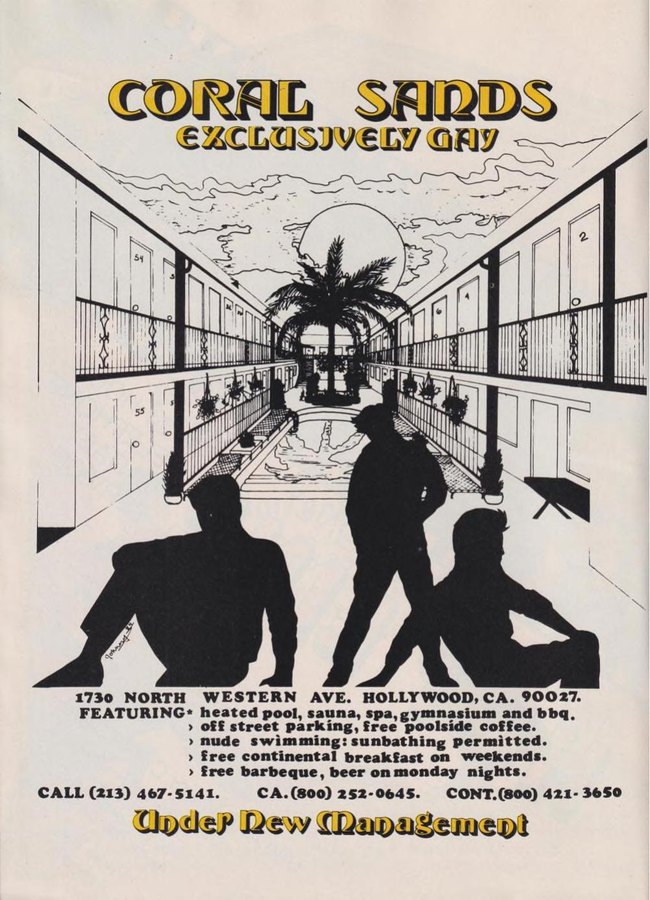
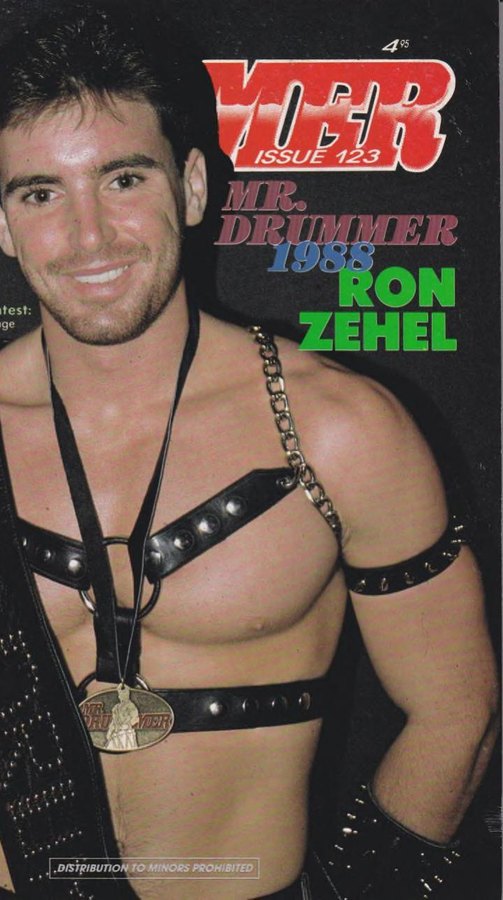
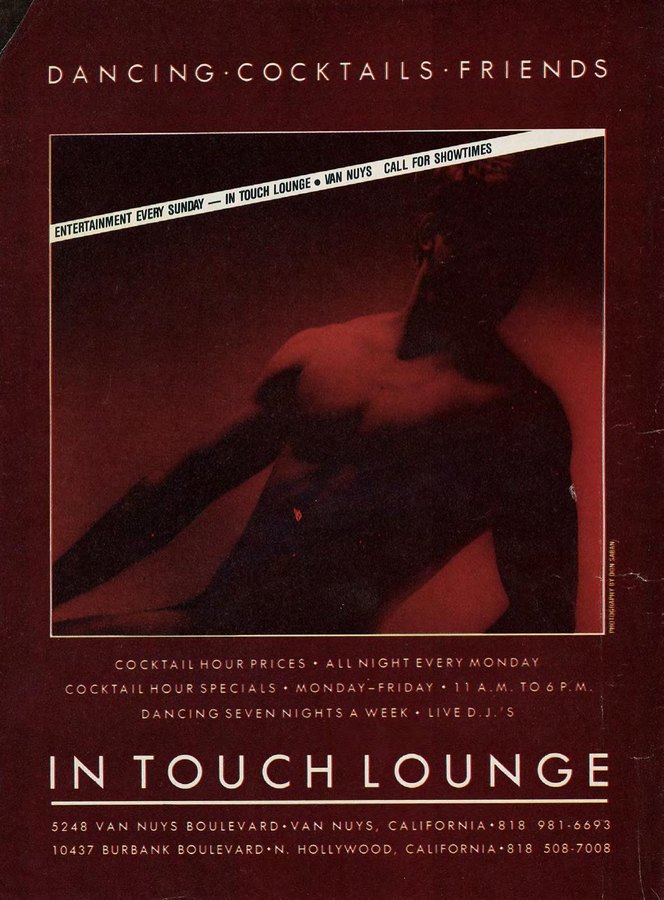
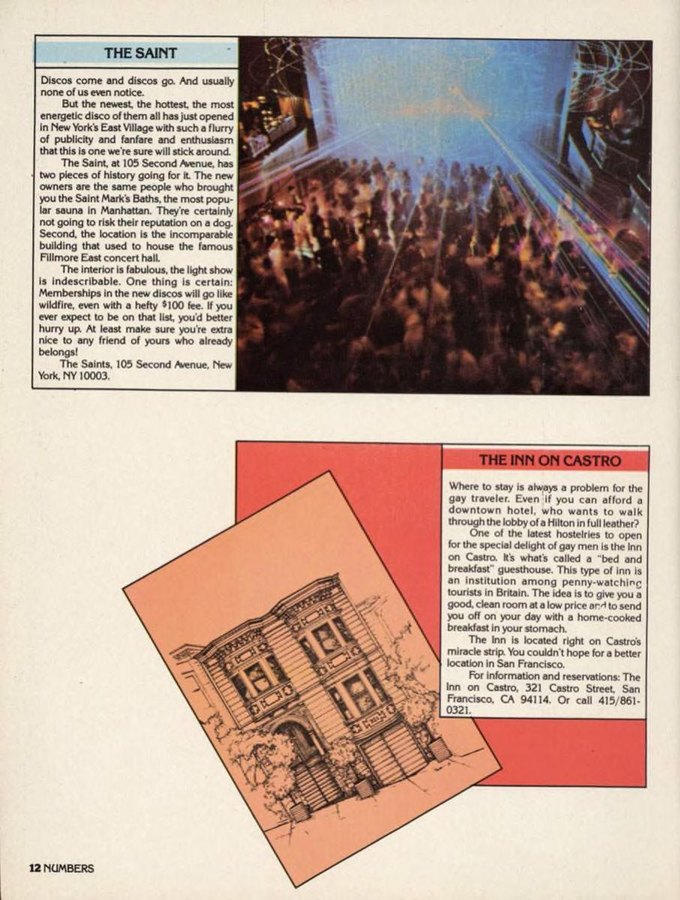
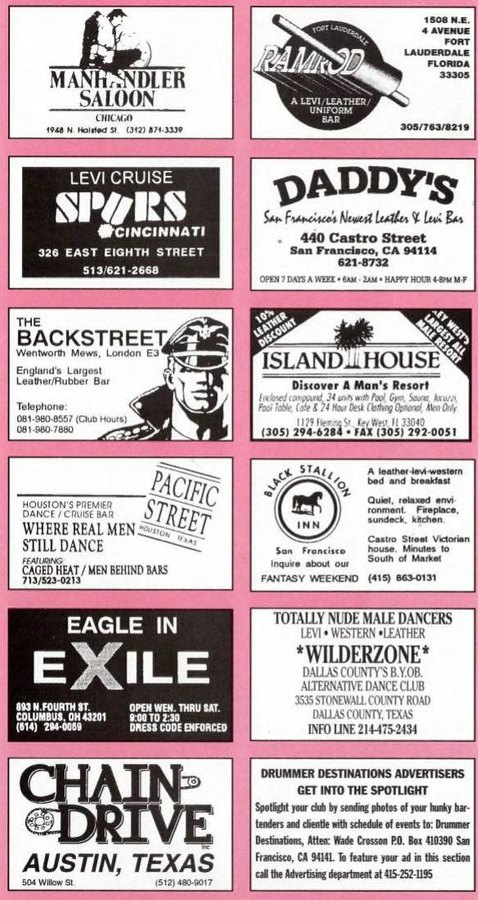
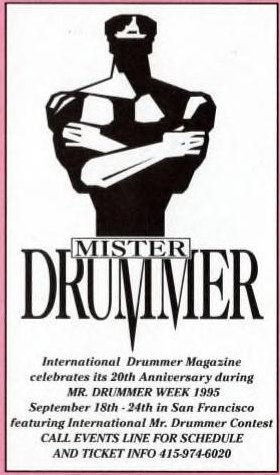
Vintage gay nightlife survives mostly on paper: the bar guides, disco ads and bathhouse cards that gay magazines printed from the 1960s to the 1990s. Guild Press in Washington, D.C. and Directory Services Inc. issued early bar guides in 1964, and Toronto's Two reviewed the after-hours Regency Club that same year. In Touch mapped the Hollywood bars around 1769 N. Cahuenga in 1974 and ran ads for Studio One, the West Hollywood disco. Blueboy's 1977 essay "Disco Madness" treated the dance floor as an escape. In February 1981 Numbers announced The Saint at 105 Second Avenue in New York, in the old Fillmore East, and The Spike, the leather bar at 20th Street by the Hudson. Drummer's pages ran from the Blue Parrot in West Hollywood in 1979 to Mister Drummer Week in San Francisco in 1995.
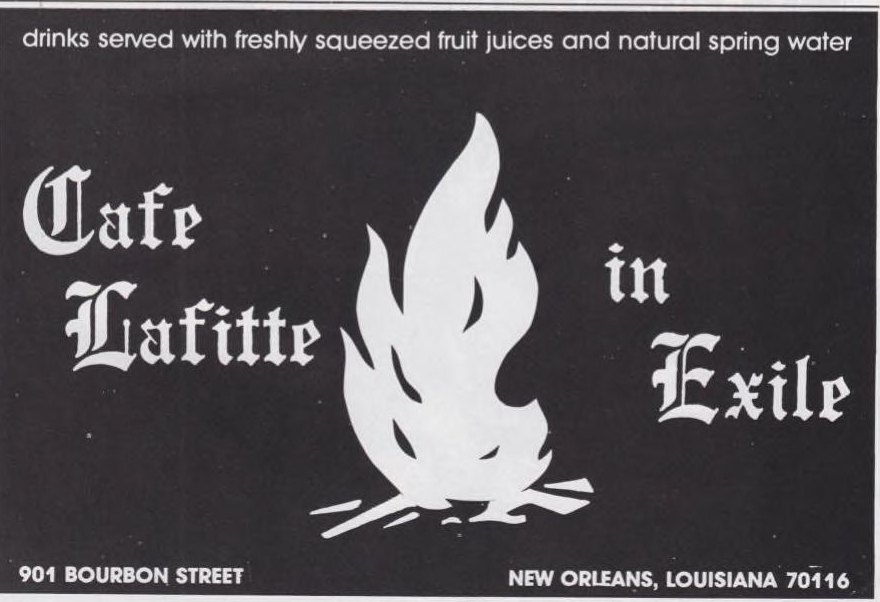
Cafe Lafitte in Exile is a gay bar at 901 Bourbon Street in New Orleans, founded in 1933 in Lafitte's Blacksmith Shop and moved to its present corner in 1953; it claims to be the oldest continuously operating gay bar in the United States.
The bar began in 1933 inside Lafitte's Blacksmith Shop on Bourbon Street, the old building tied by legend to the pirate Jean Lafitte; Wikipedia gives that address as 941 Bourbon. Wikipedia names Mary Collins, a lesbian, as its manager in the early years, and Tom Caplinger as the man in charge by the 1950s. When a new landlord pushed the bar out of the blacksmith shop, Caplinger and the regulars moved a short way down the street to the corner building at 901 Bourbon and took the name Cafe Lafitte in Exile. Wikipedia and Atlas Obscura date the move to 1953 and describe a reopening masquerade at which patrons came dressed as famous exiles, among them Oscar Wilde, Dante and Napoleon. The Advisory Council on Historic Preservation, writing in 2021, puts the move twenty years after the founding, which agrees.
- Founded
- 1933, in Lafitte's Blacksmith Shop, 941 Bourbon Street (Wikipedia)
- Present address
- 901 Bourbon Street, French Quarter, New Orleans (from 1953)
- Name
- "In Exile" marks the forced move out of the blacksmith shop in the early 1950s
- Early figures
- Tom Caplinger, owner or manager in the 1950s; Mary Collins, manager in its early days (Wikipedia)
- Claim
- Oldest continuously operating gay bar in the US; the White Horse Inn in Oakland, California, also dates itself to 1933
- Patrons named in sources
- Tennessee Williams, Truman Capote





























Quick answers
What was The Saint nightclub? The Saint was a members-only gay disco at 105 Second Avenue in New York's East Village, in the building that had housed the Fillmore East concert hall. Numbers reported its opening in February 1981: it was run by the owners of the St. Mark's Baths and charged a $100 membership fee.
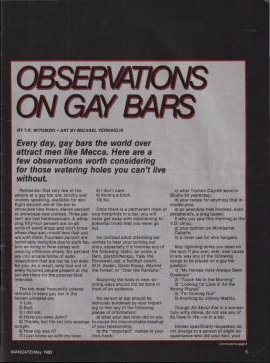
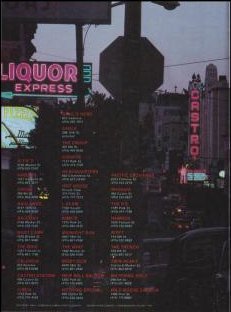
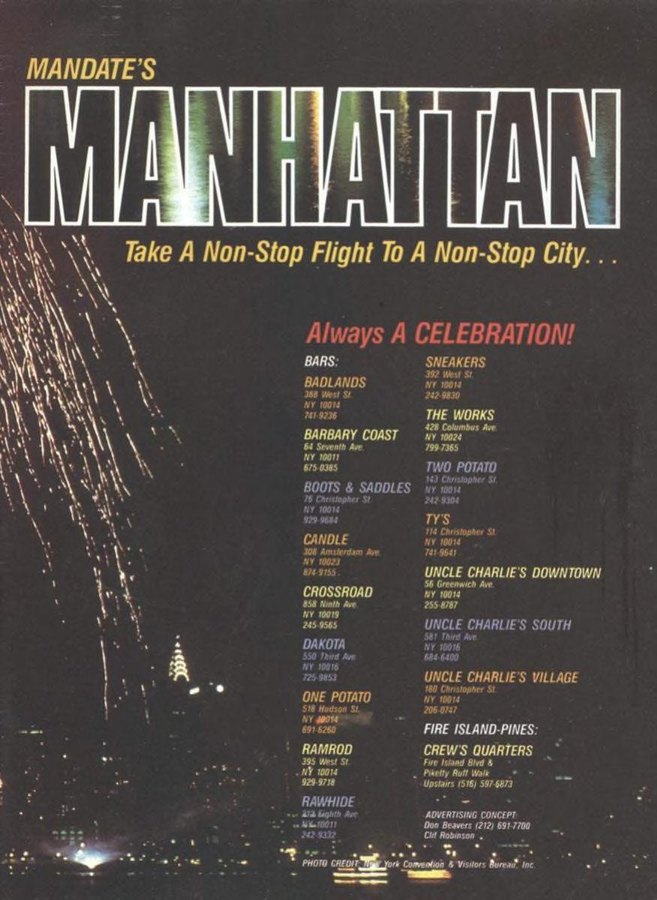
What were gay bar guides? Pocket directories that listed gay bars, clubs and baths city by city. Guild Press in Washington, D.C. and Directory Services Inc. both issued guides in 1964, and magazines such as Honcho and Mandate printed bar and club directories into the 1980s.
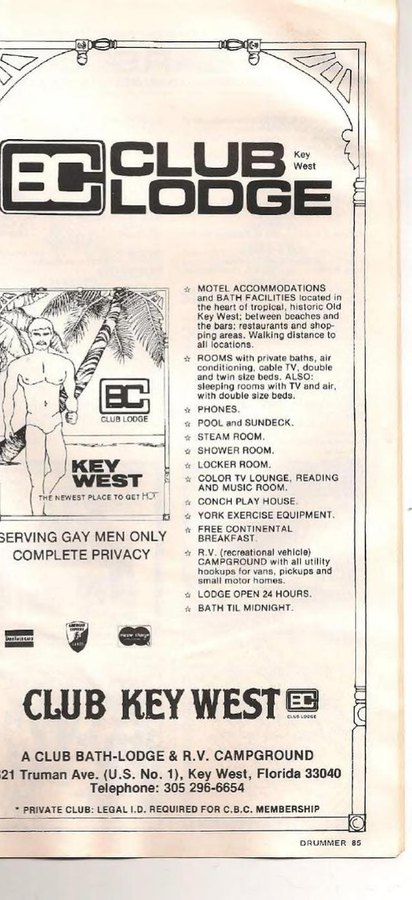
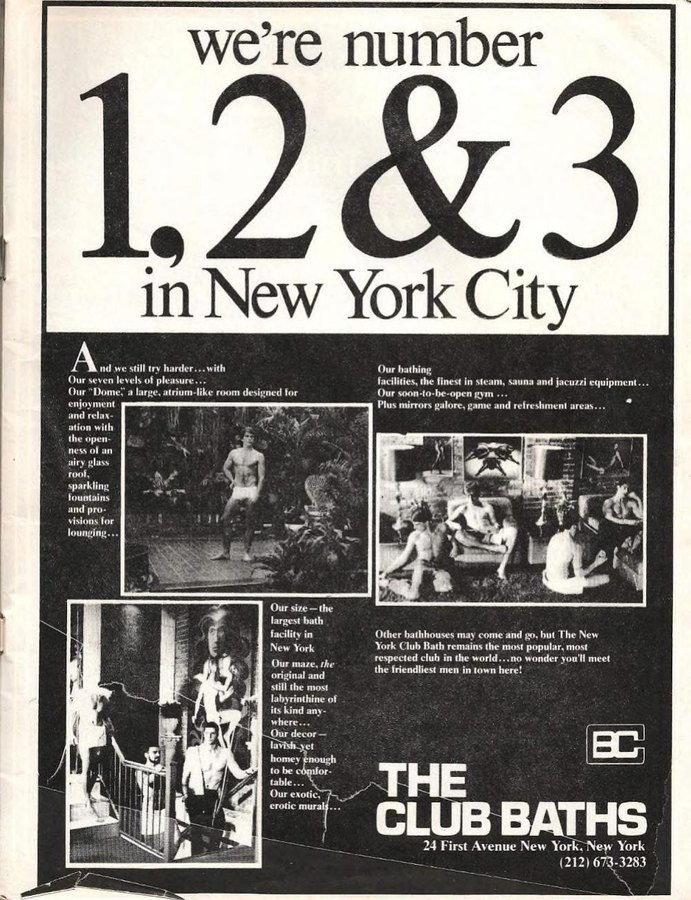
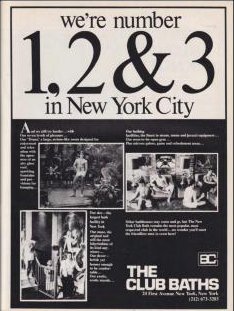
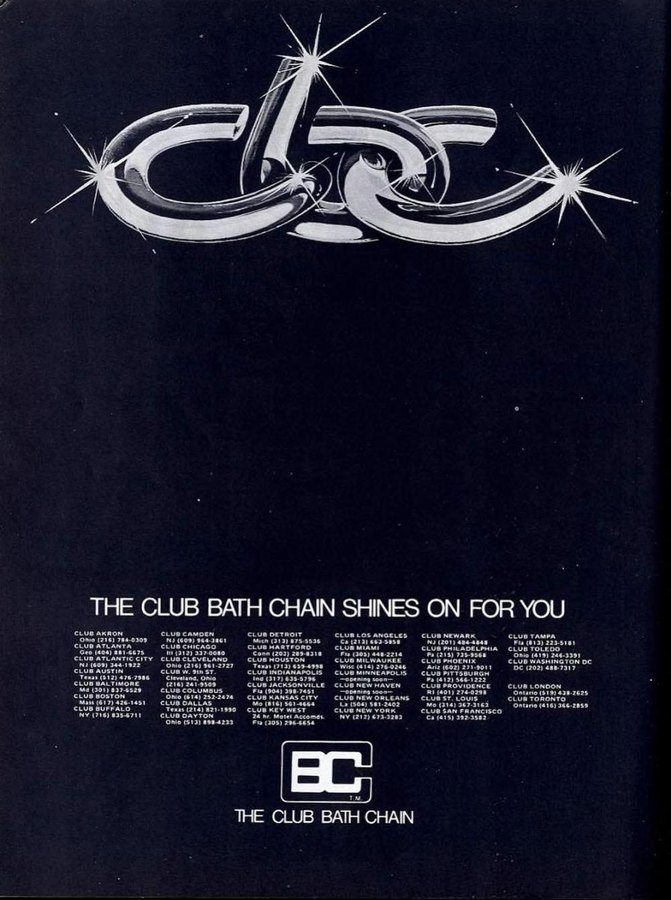
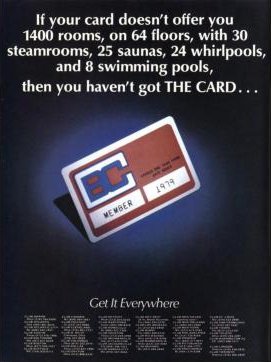
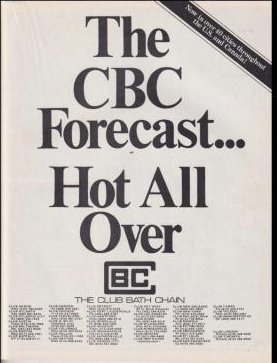
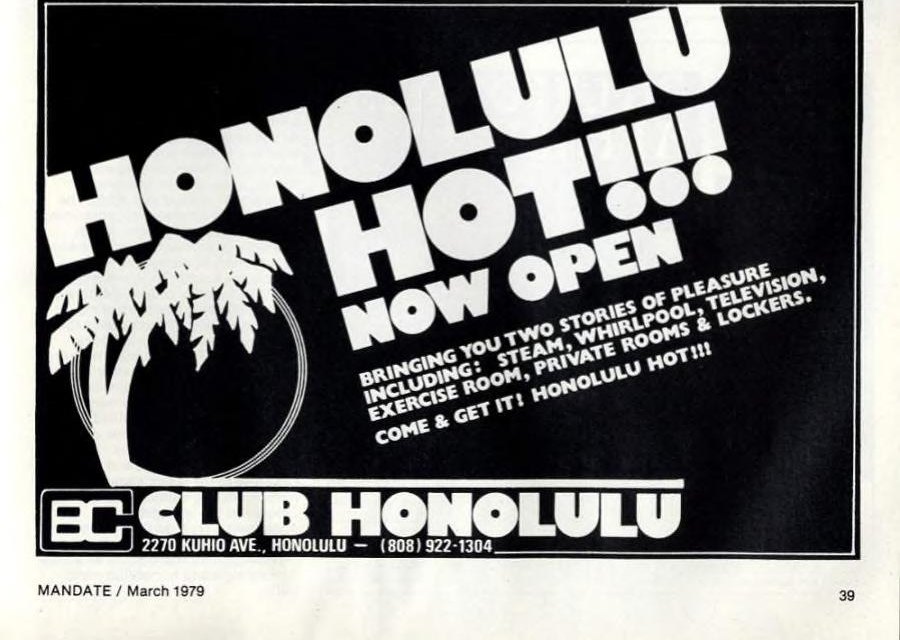
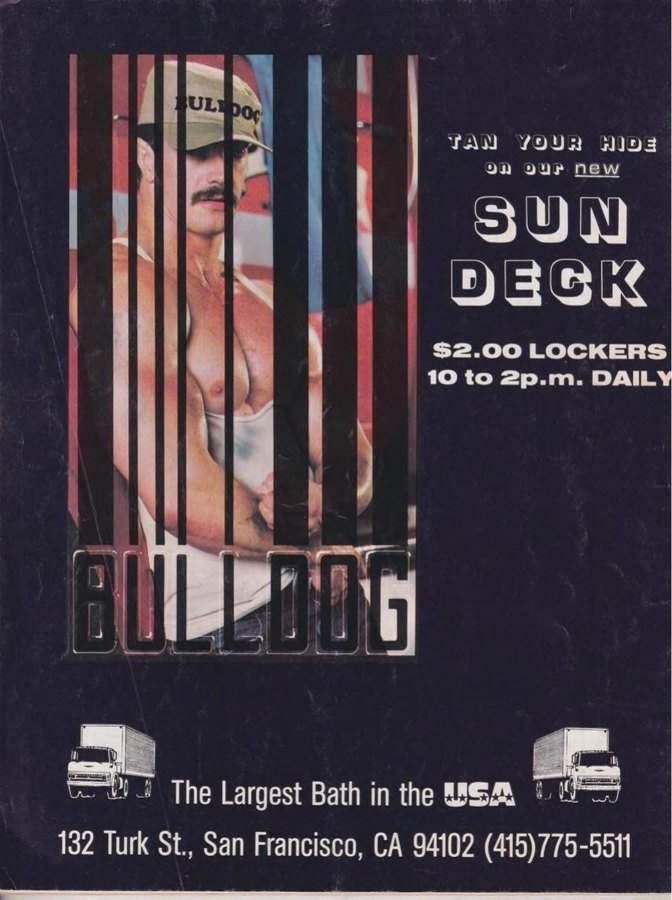
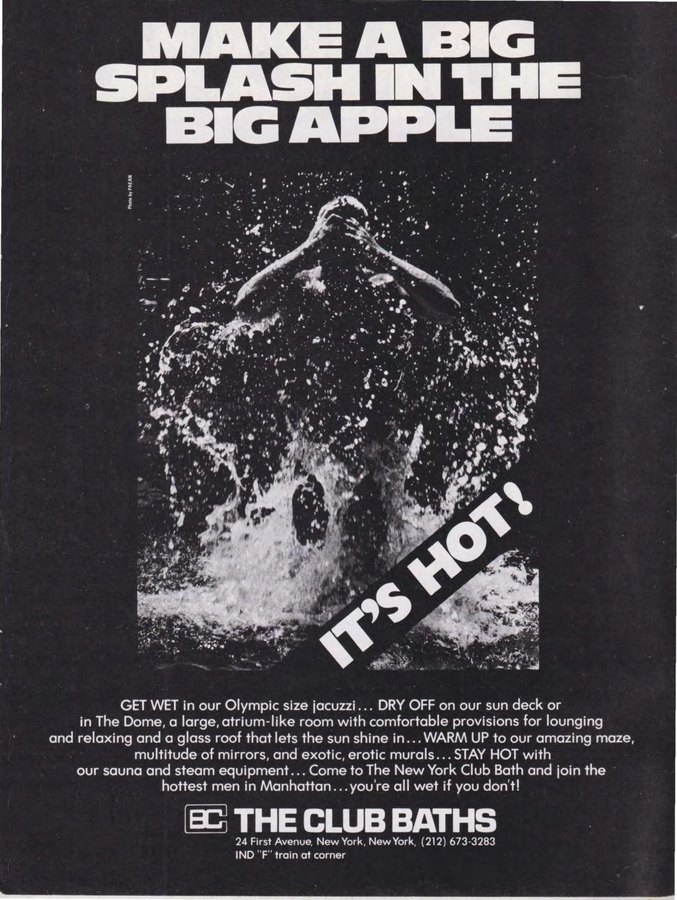
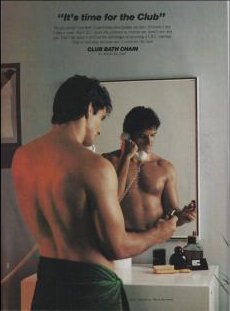
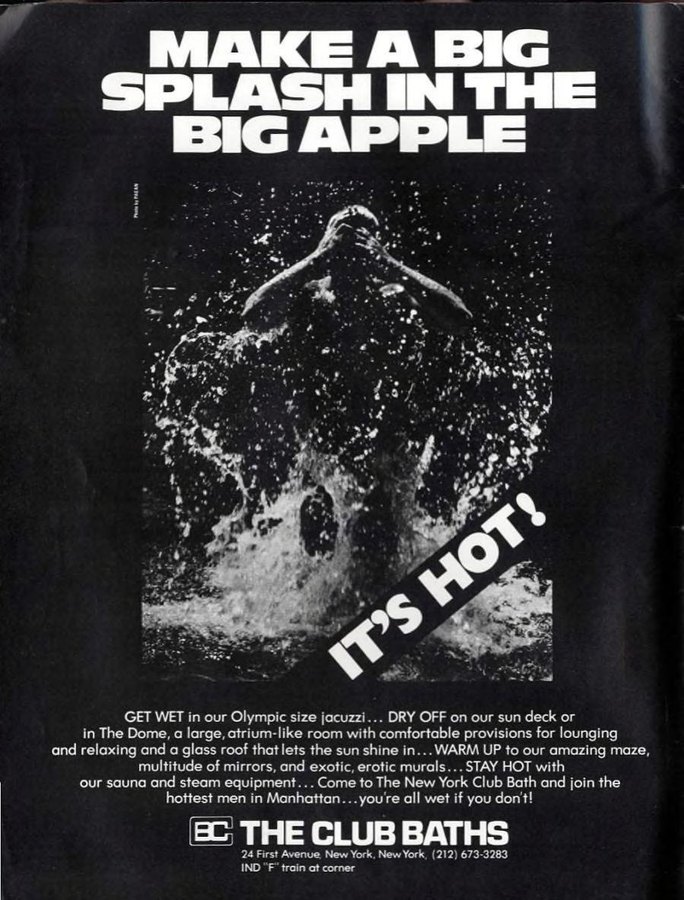
What was the Club Bath Chain? A chain of gay bathhouses that sold memberships through magazine ads in the 1970s and 1980s. Its 1979 Mandate ad claimed clubs "in every major city throughout the US and Canada," and its New York club was on First Avenue.
Which gay discos did 1970s magazines advertise? In Touch ran ads for Studio One in West Hollywood in 1974 and Circus Disco in Hollywood in 1979, and Drummer advertised the Blue Parrot on Santa Monica Boulevard in 1979.
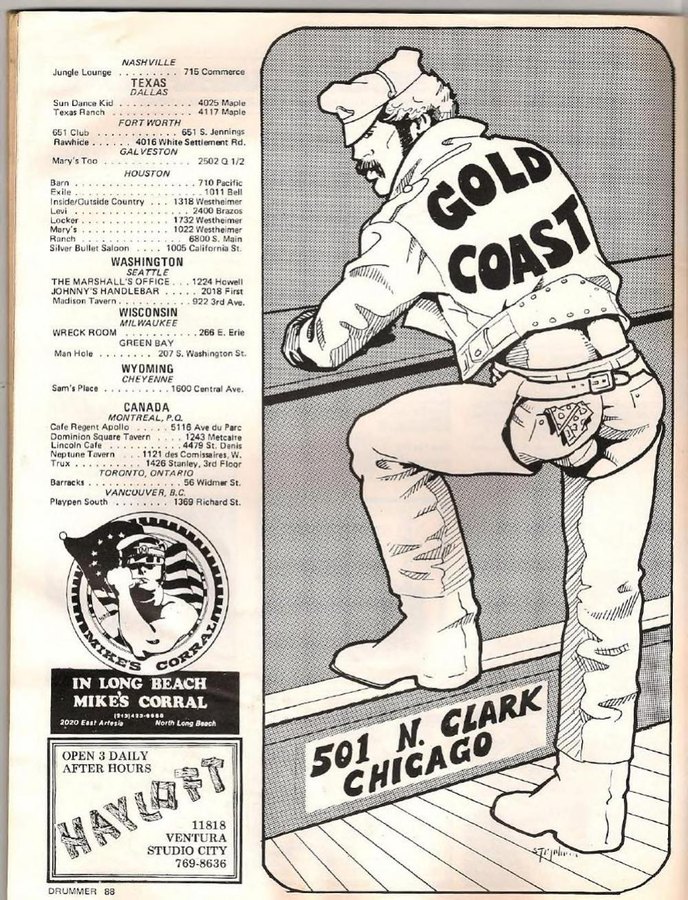
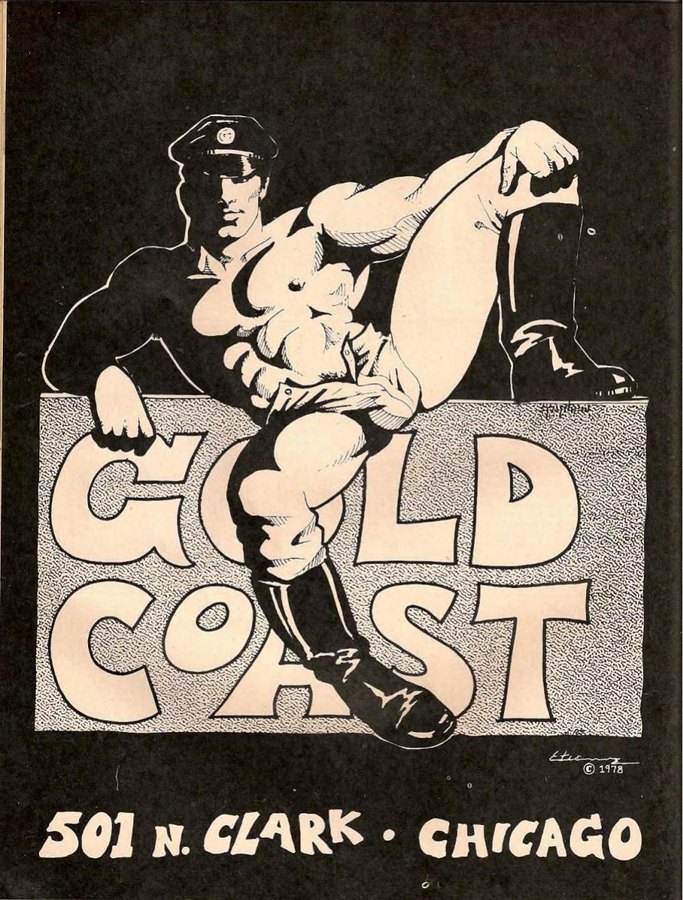
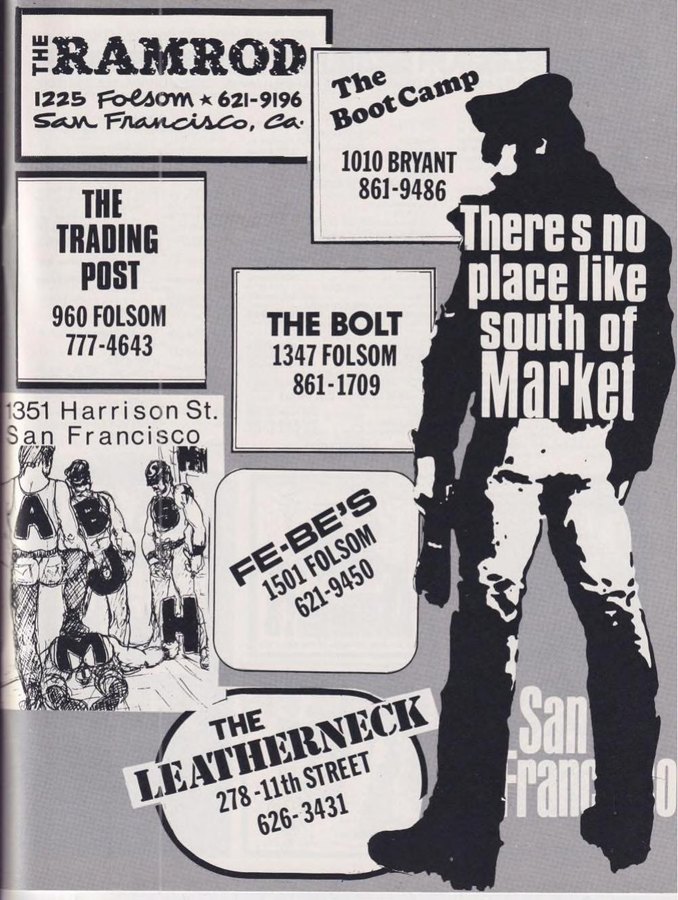
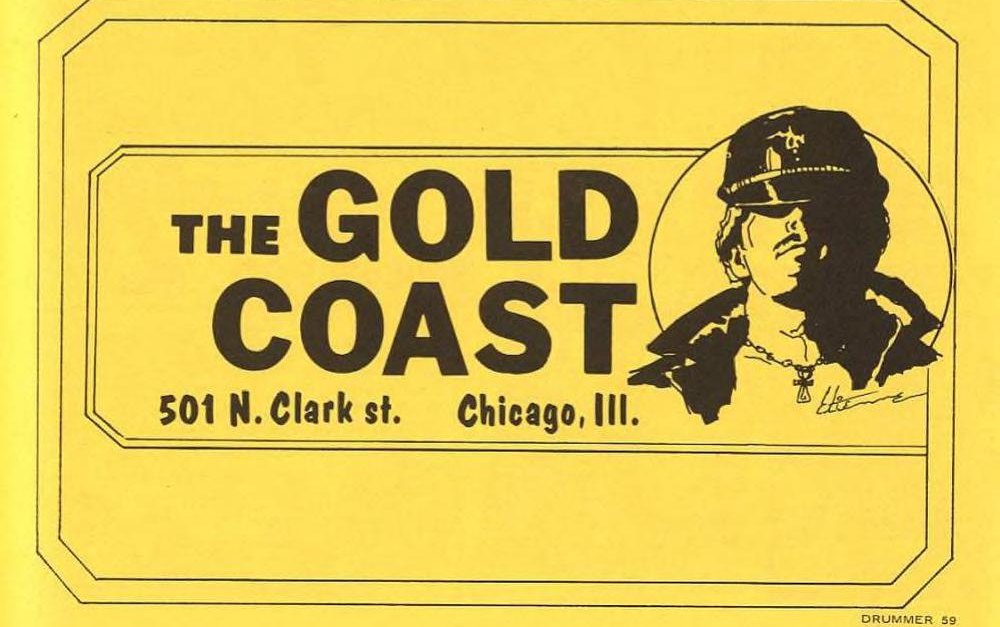
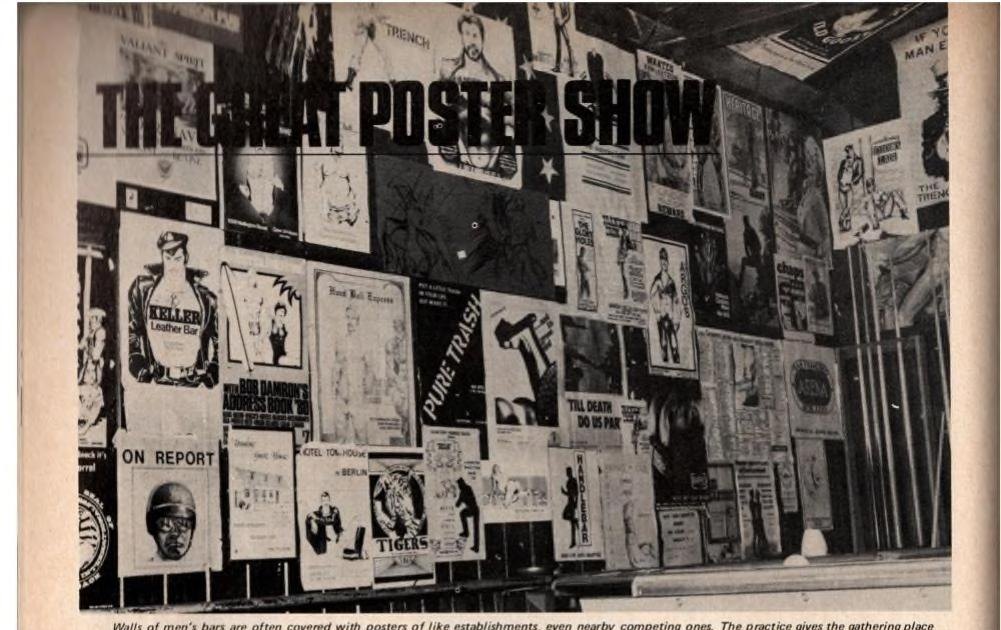
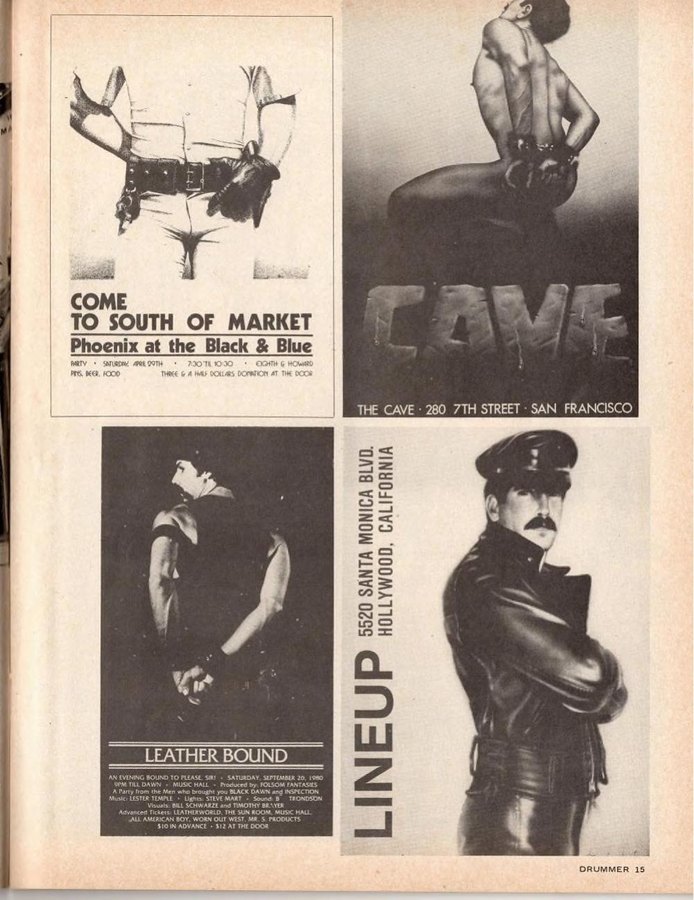
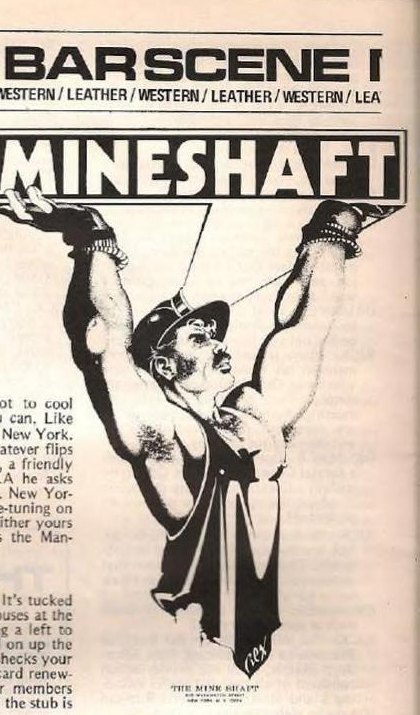
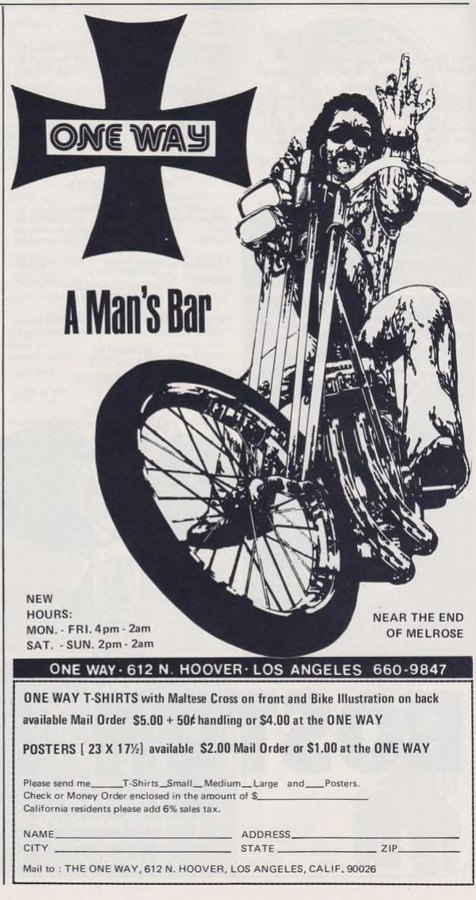
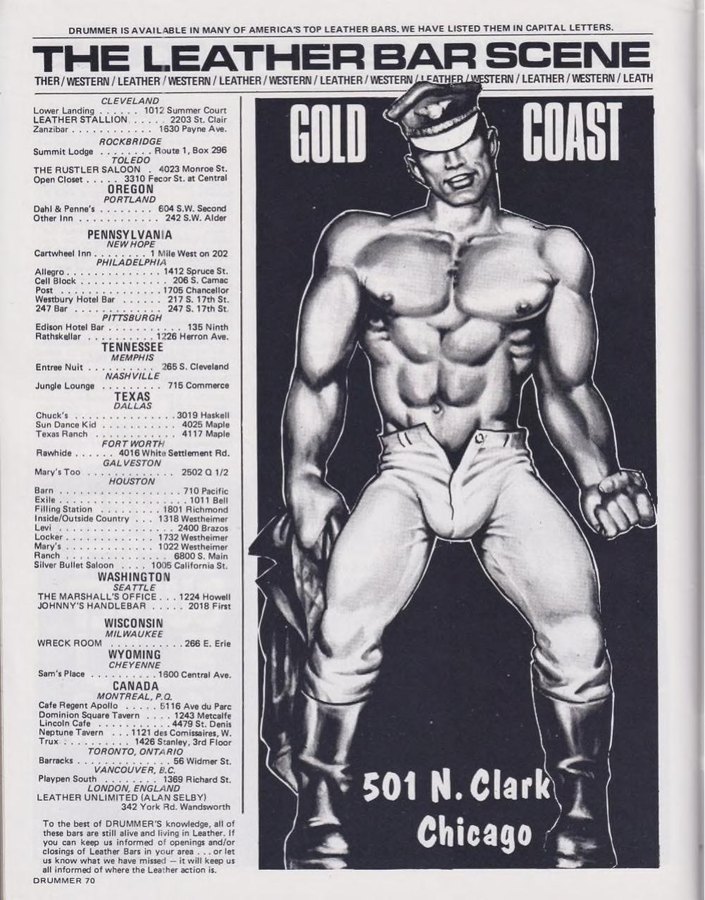
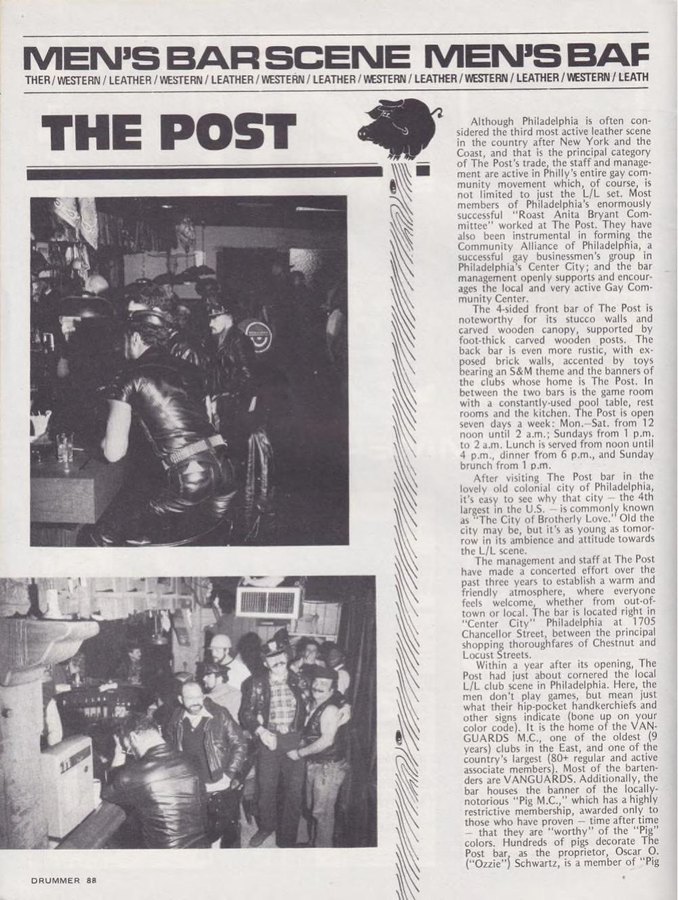
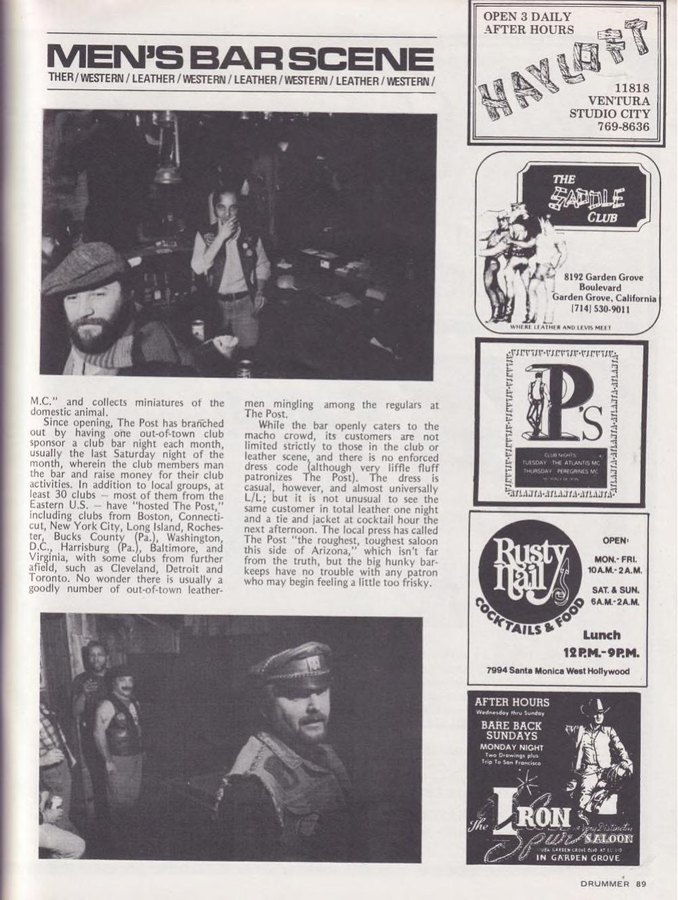
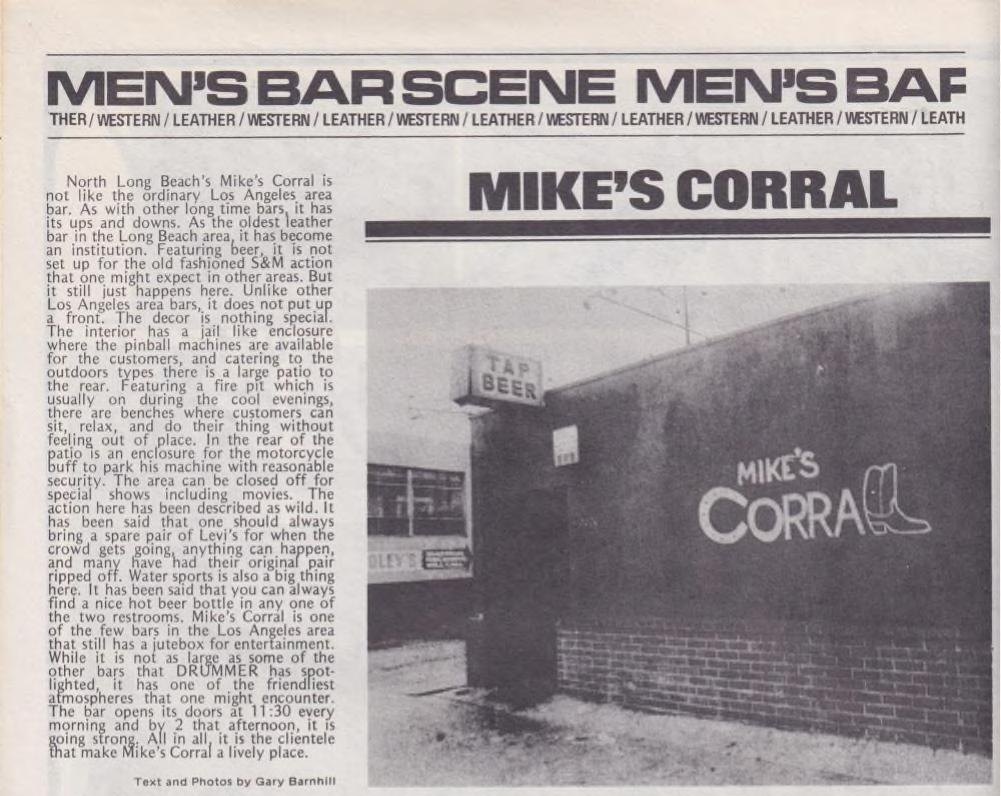
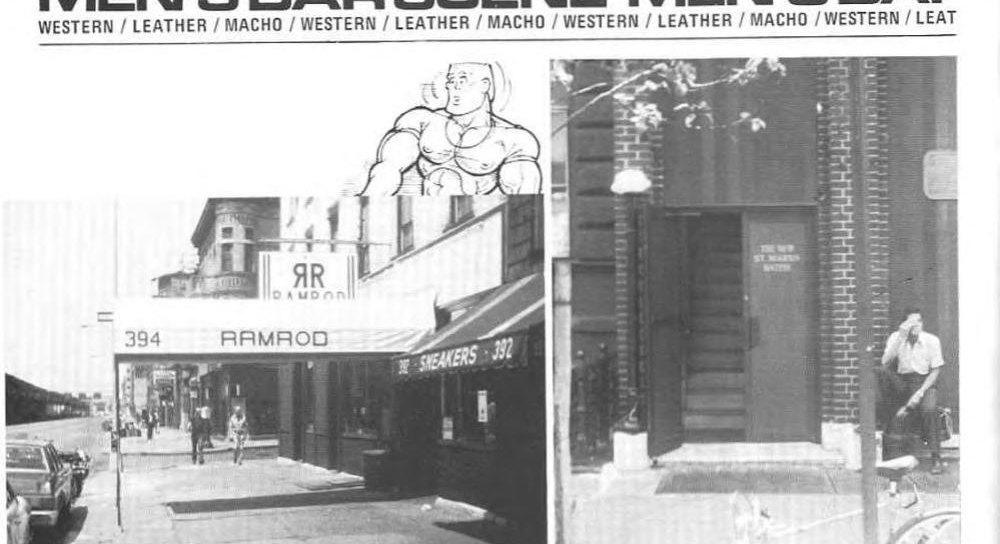
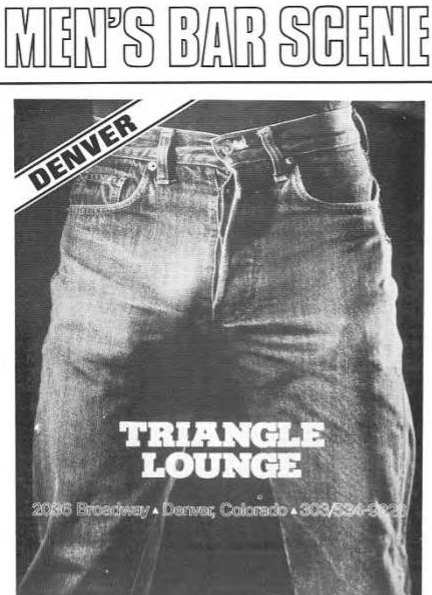
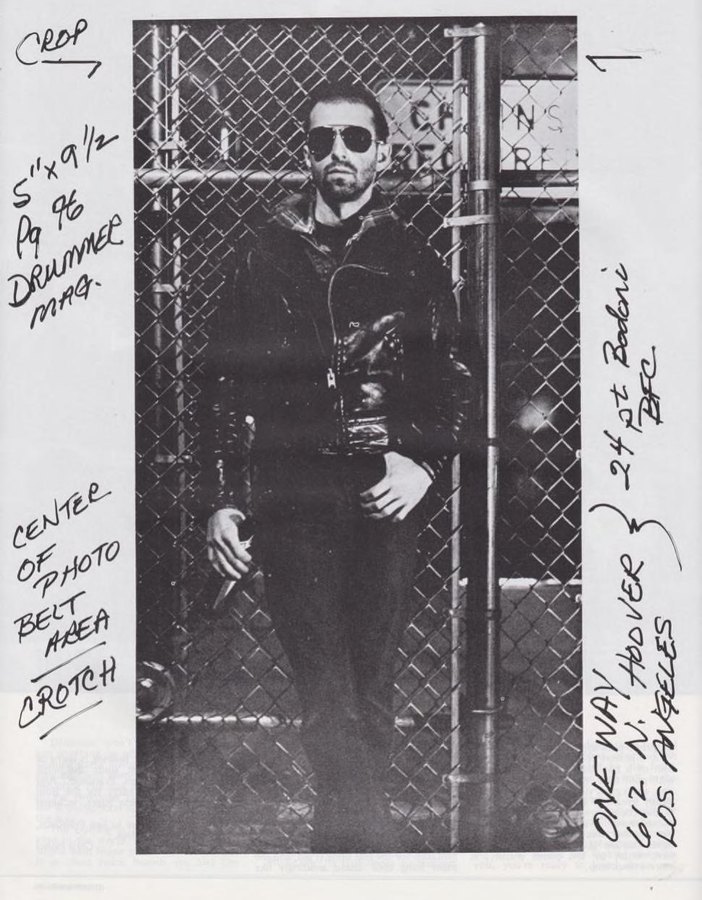
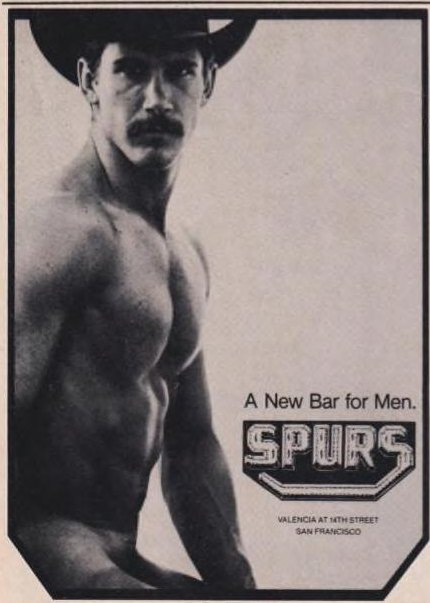
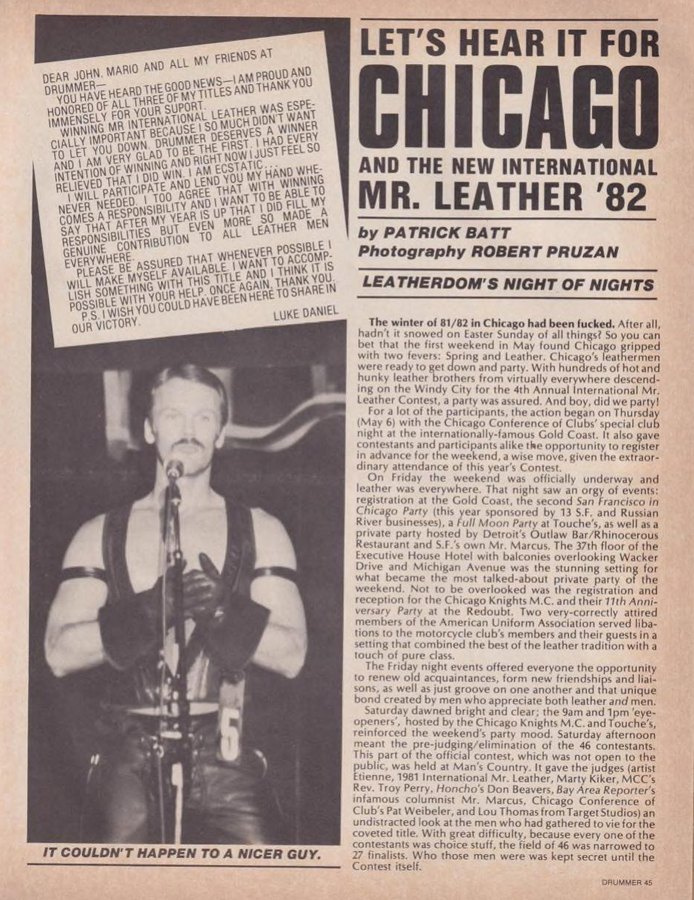
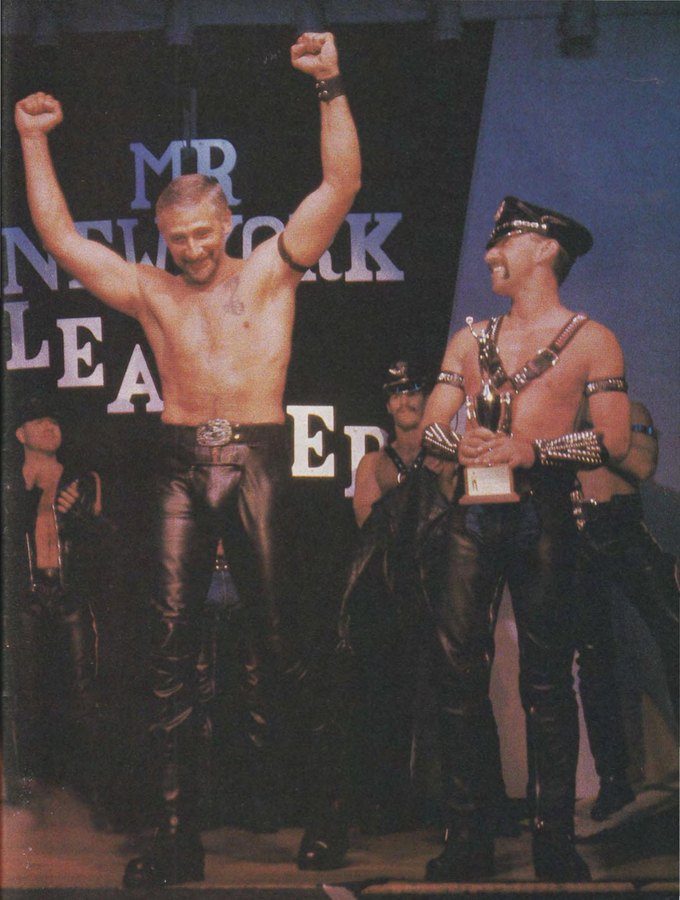
Where can I see vintage leather bar ads? Drummer printed them in every issue. Our nightlife plates include the Gold Coast in Chicago, opened by Chuck Renslow and partners in 1960 and one of the first U.S. bars made for the leather community, The One Way at 612 N. Hoover in Los Angeles (1979), and the Triangle Lounge at 2036 Broadway in Denver, which headed Drummer's "Men's Bar Scene" column in 1979.
Read more