Activism in print
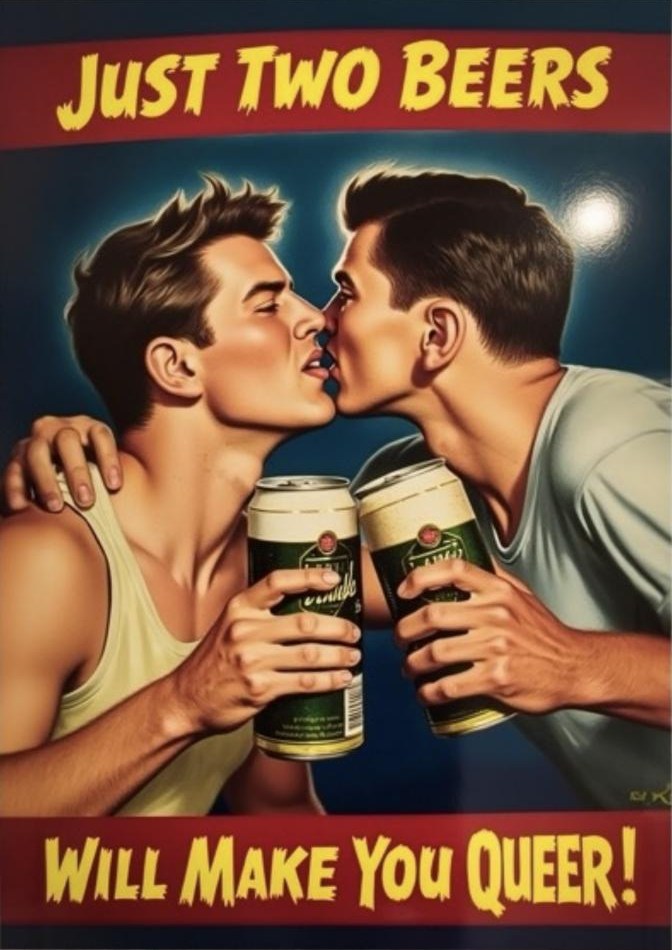
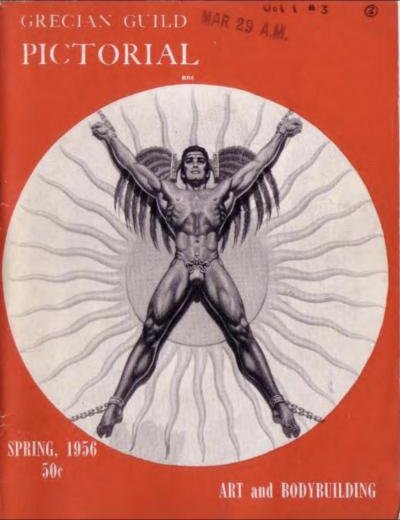
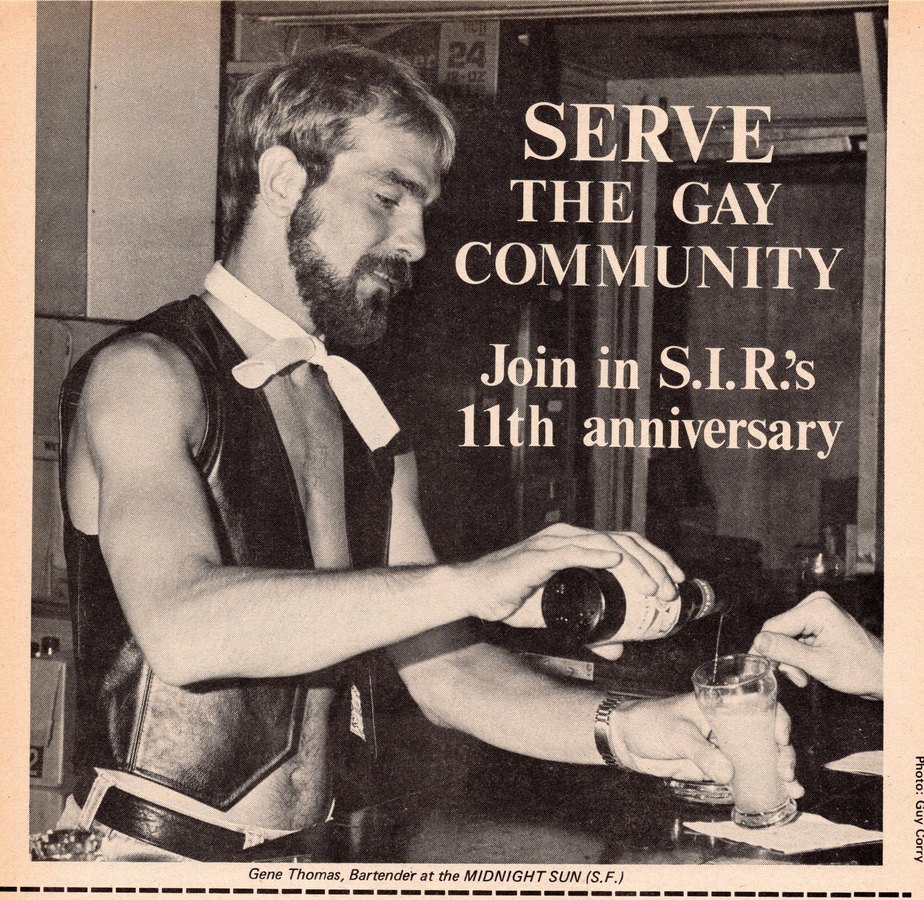
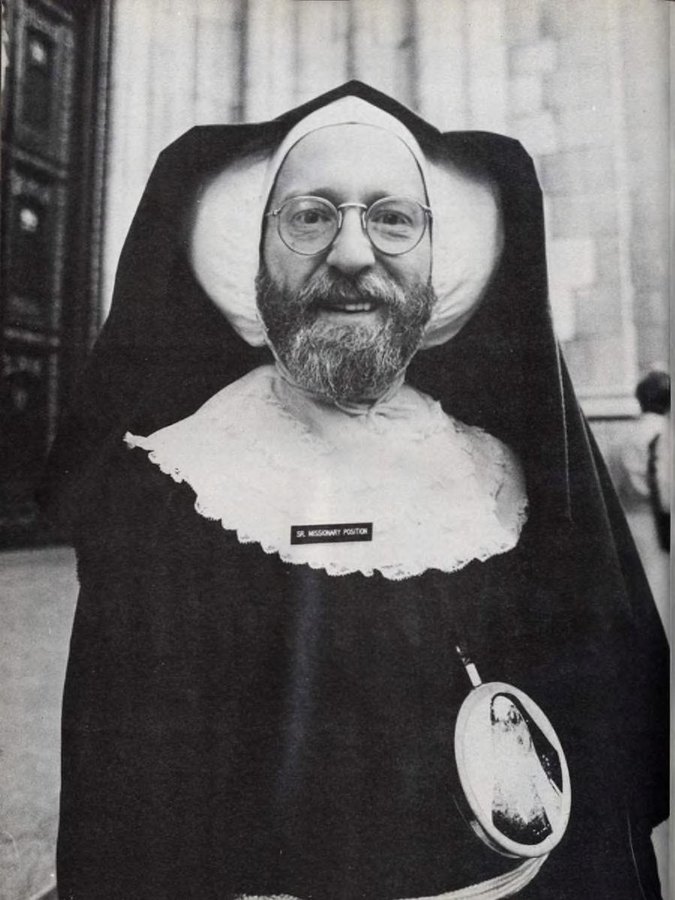
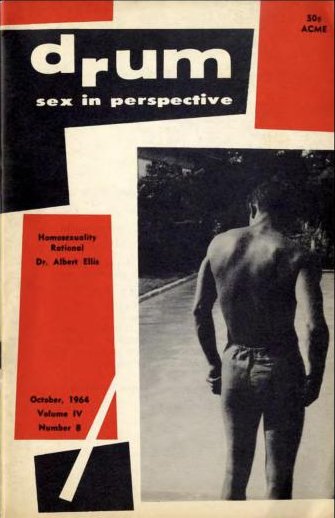
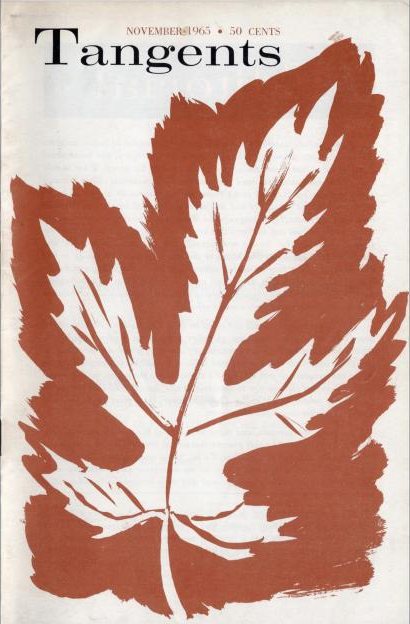
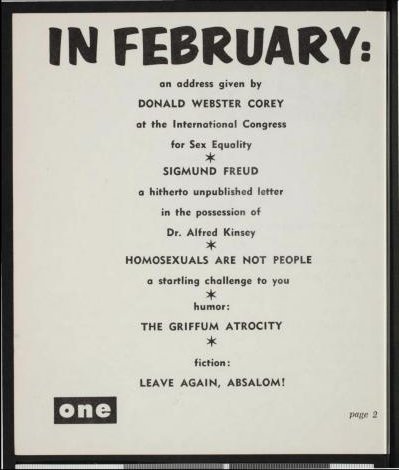
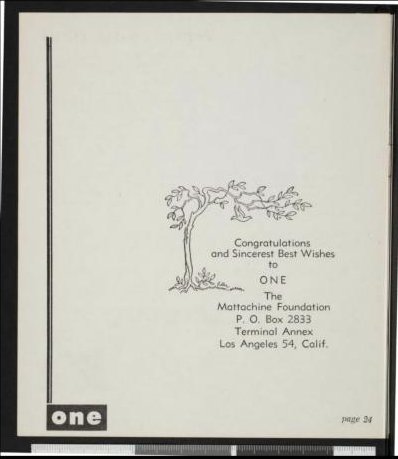
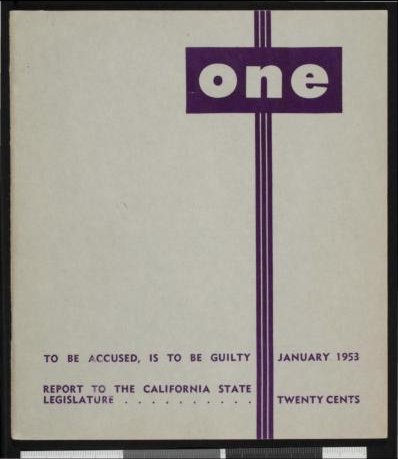
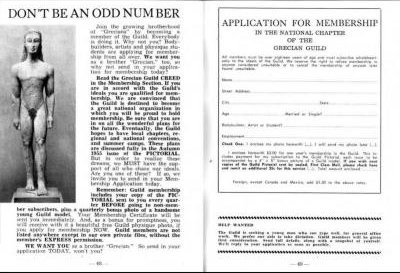
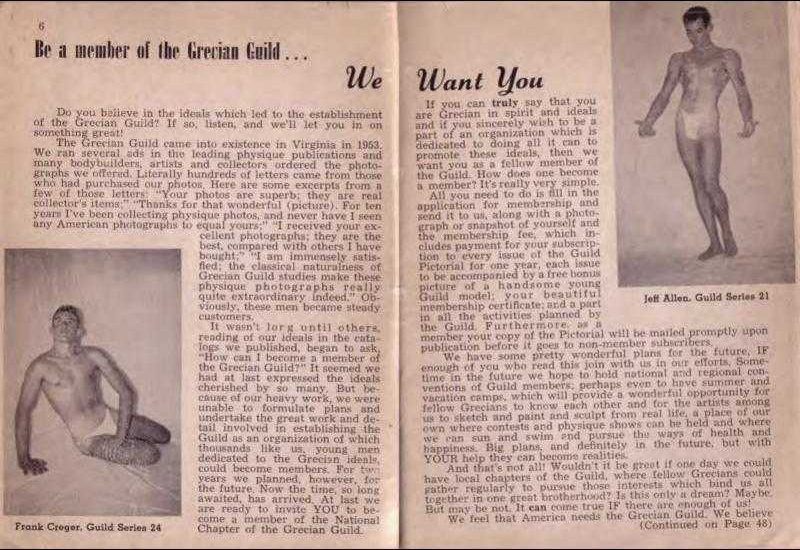
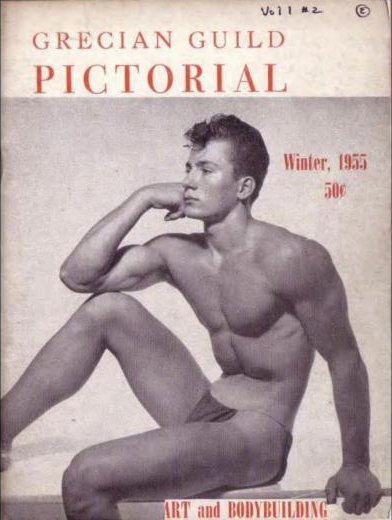
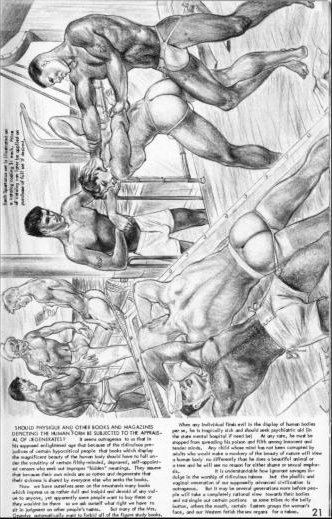
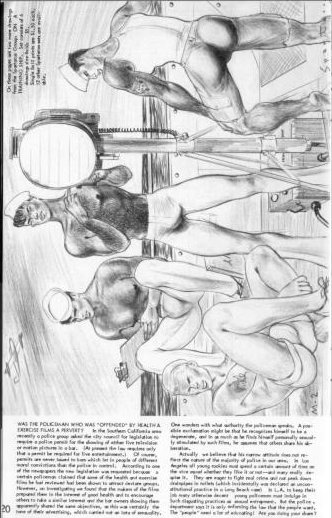
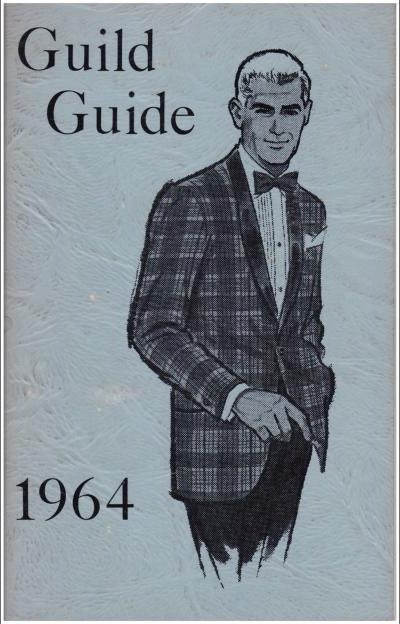
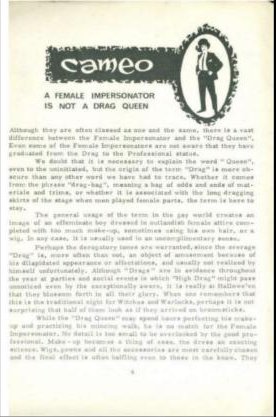
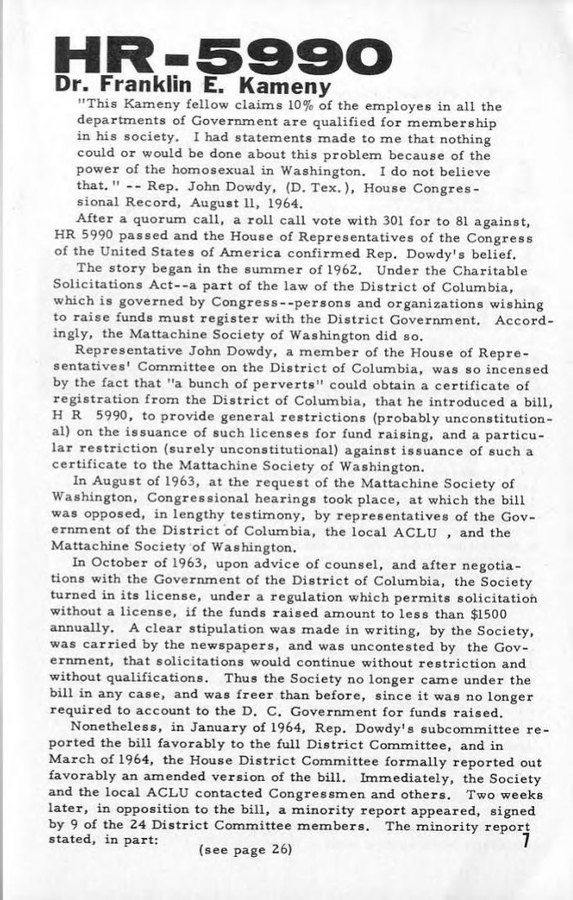
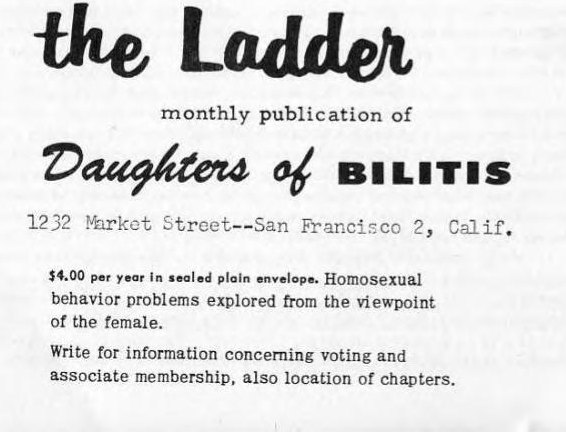
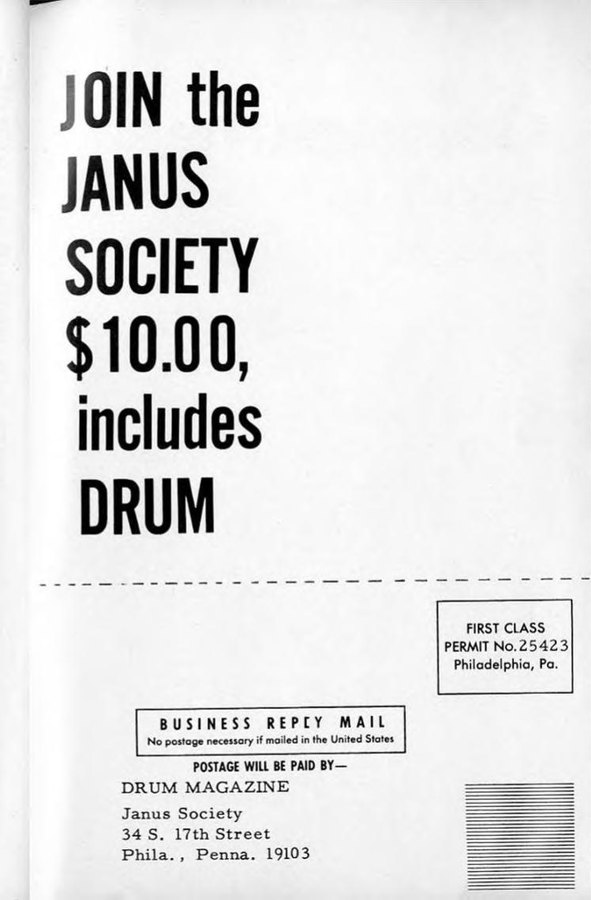
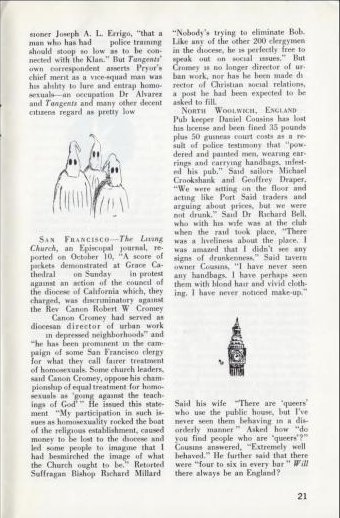
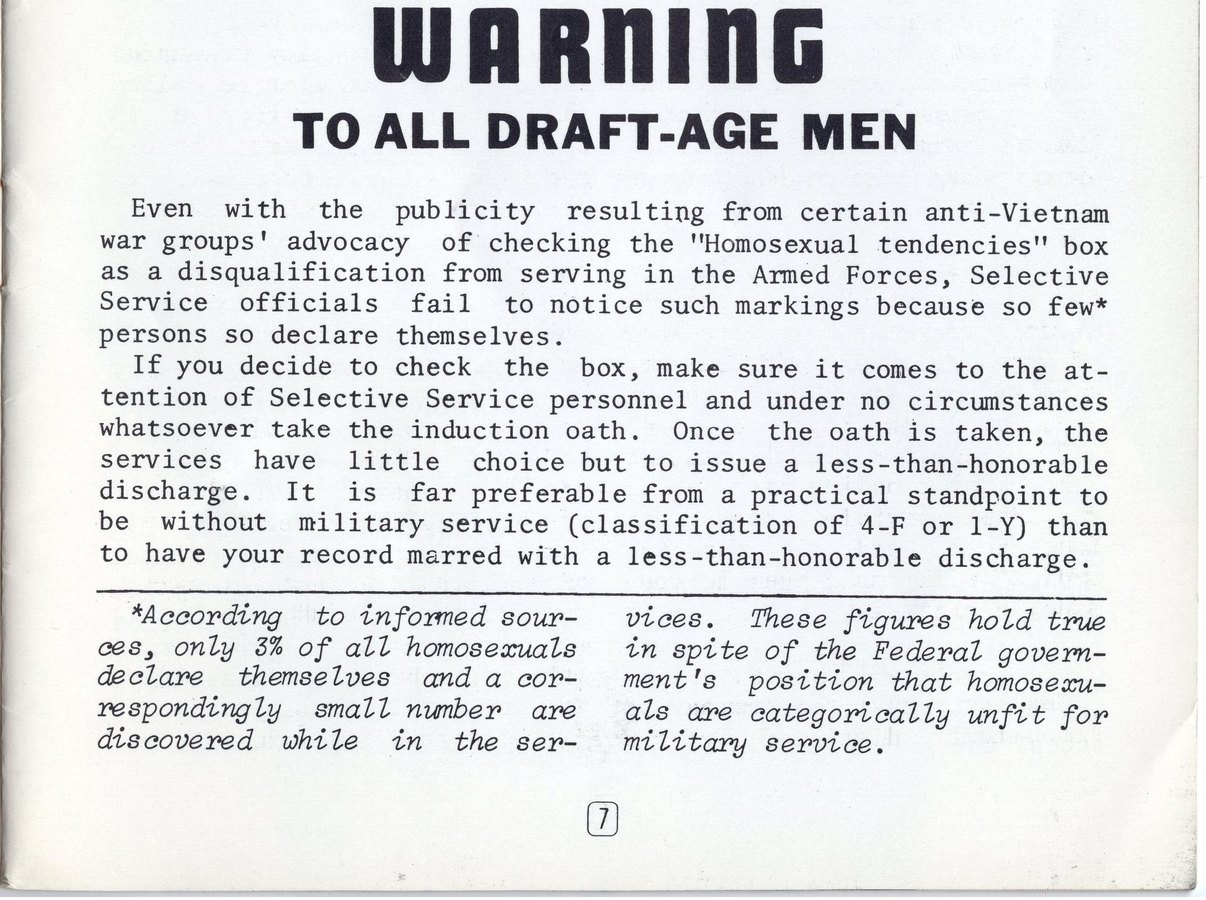
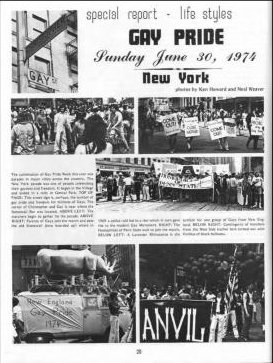
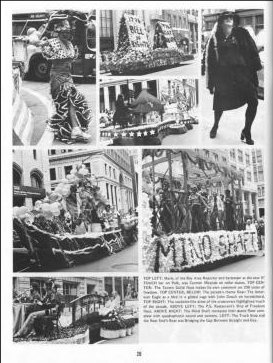
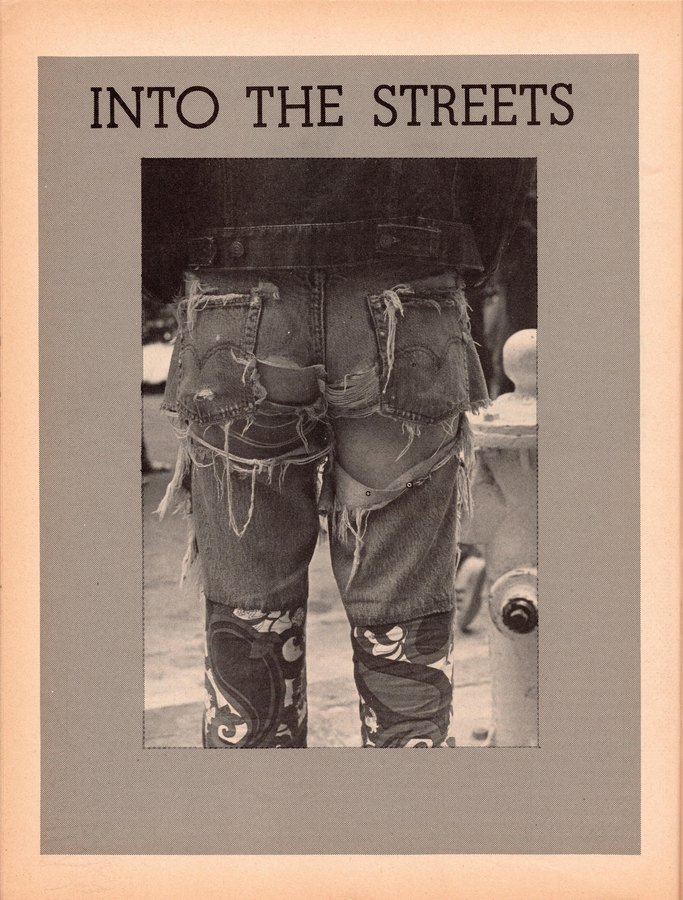
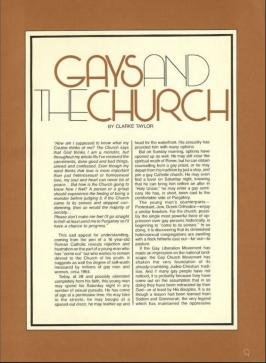
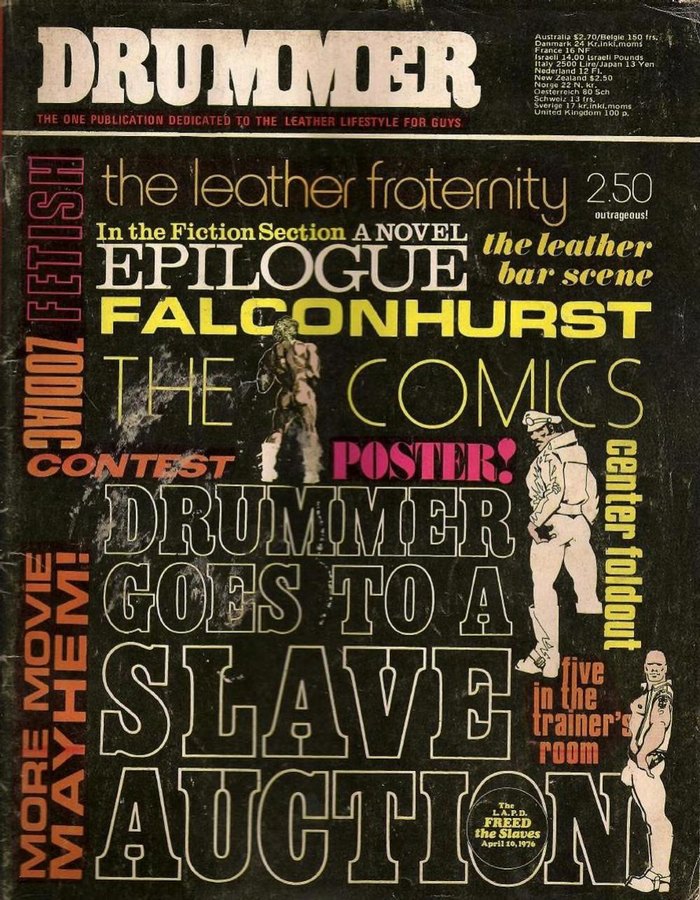
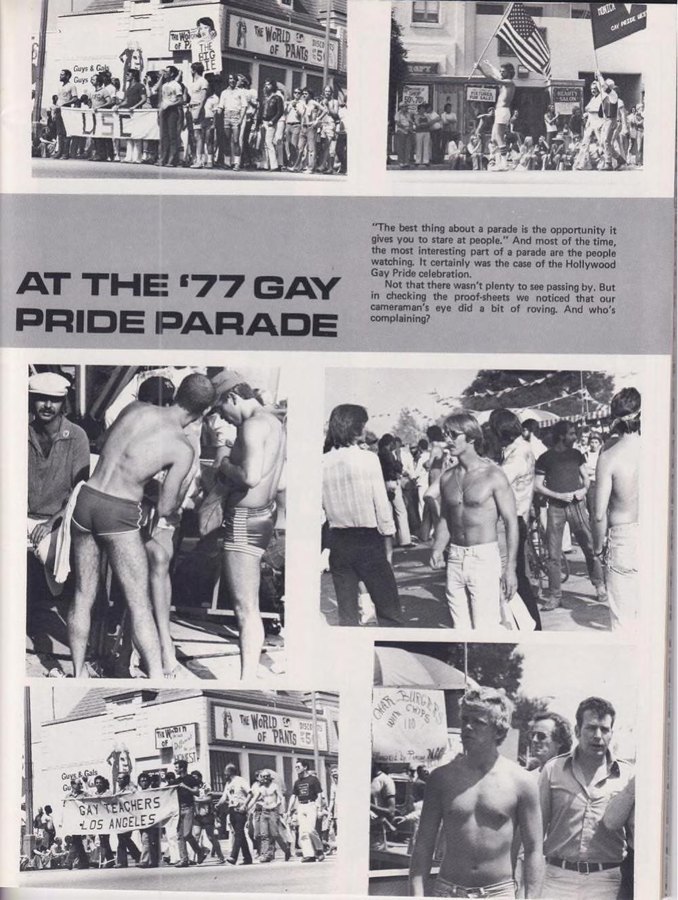
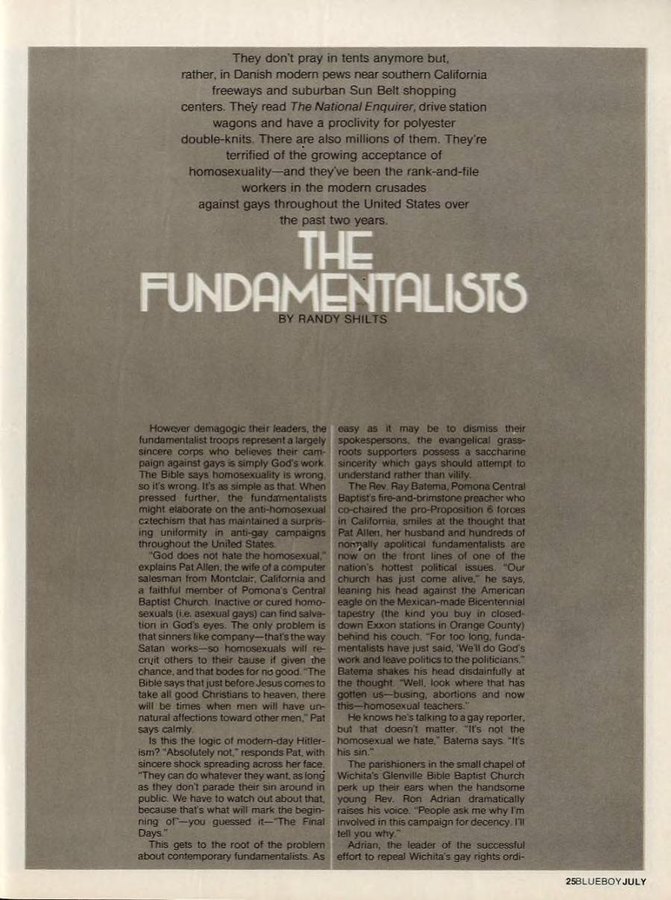
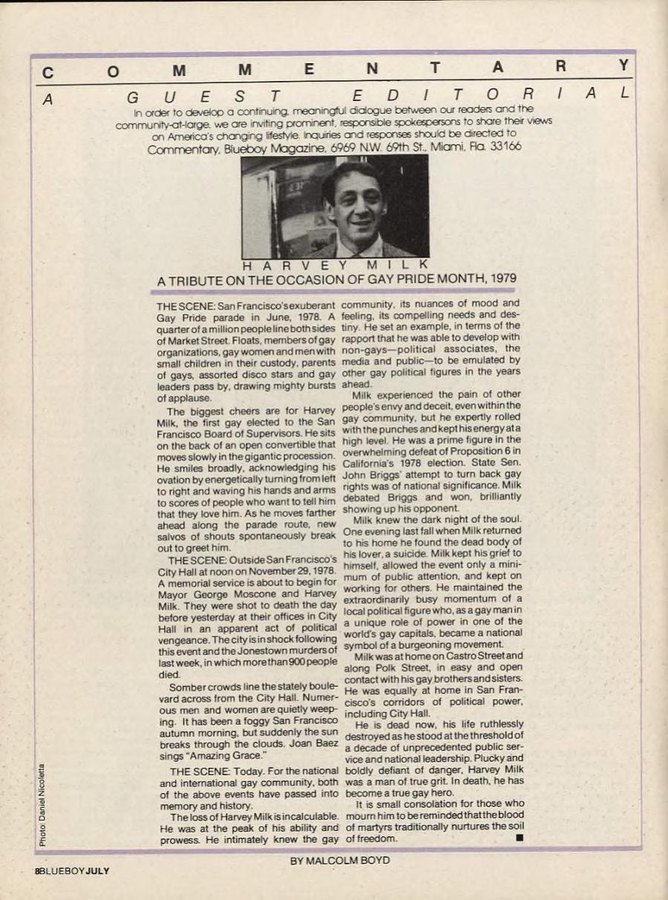
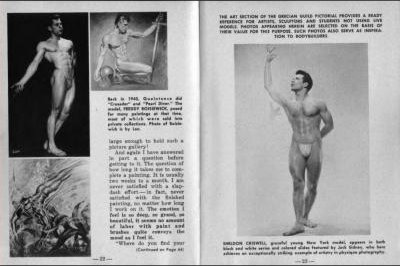
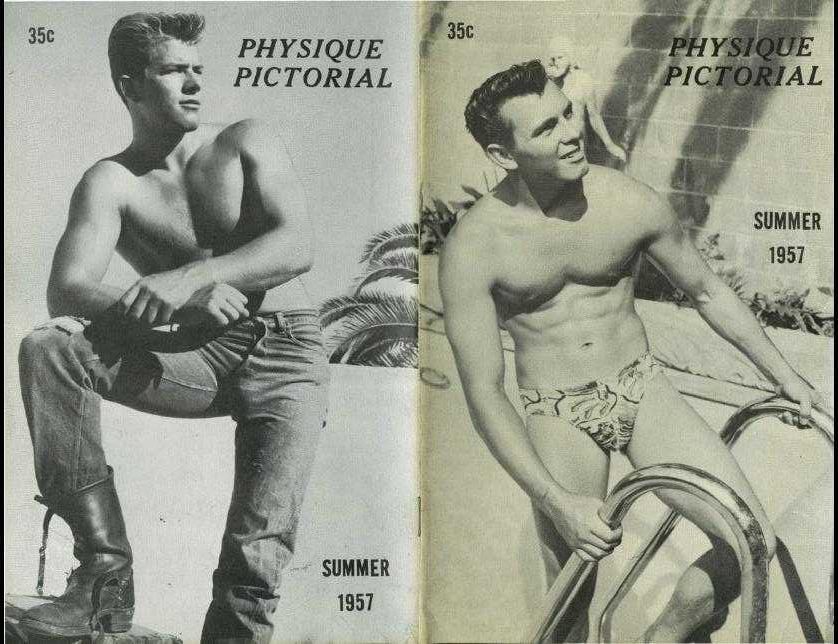
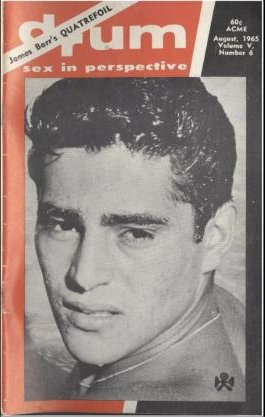
Vintage gay activism in print starts with the homophile press of the 1950s and 1960s. ONE, published in Los Angeles from 1953, sold for twenty cents an issue, and in January 1953 it printed best wishes from the Mattachine Foundation. Grecian Guild Pictorial (from 1955) signed readers up to a national "brotherhood," while Bob Mizer's Physique Pictorial ran editorials against censorship beside its photos. In Philadelphia, Clark Polak's Drum (1964-1969) mixed news, comics and pin-ups, and in February 1966 warned draft-age men how to handle the "homosexual tendencies" box. ONE's Tangents reported pickets at San Francisco's Grace Cathedral in 1965. By the 1970s the story moves into the streets and the glossies: In Touch photographed the June 30, 1974 New York pride march, and Blueboy covered gays and the church in 1976.
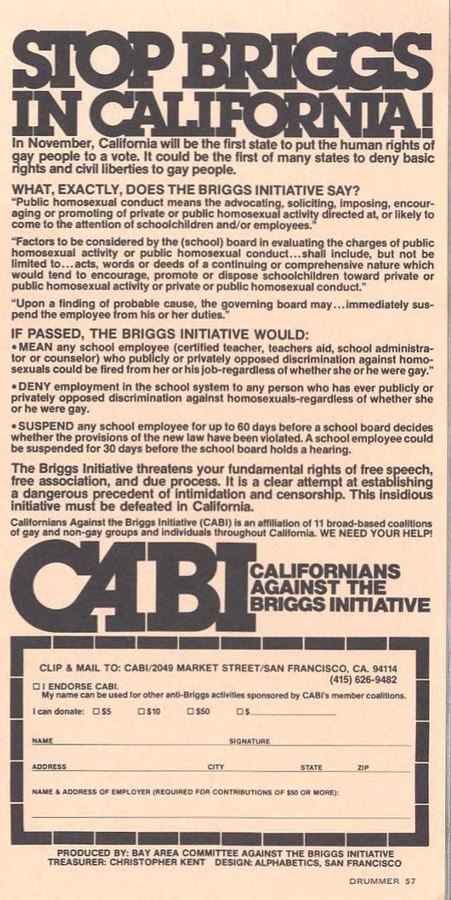
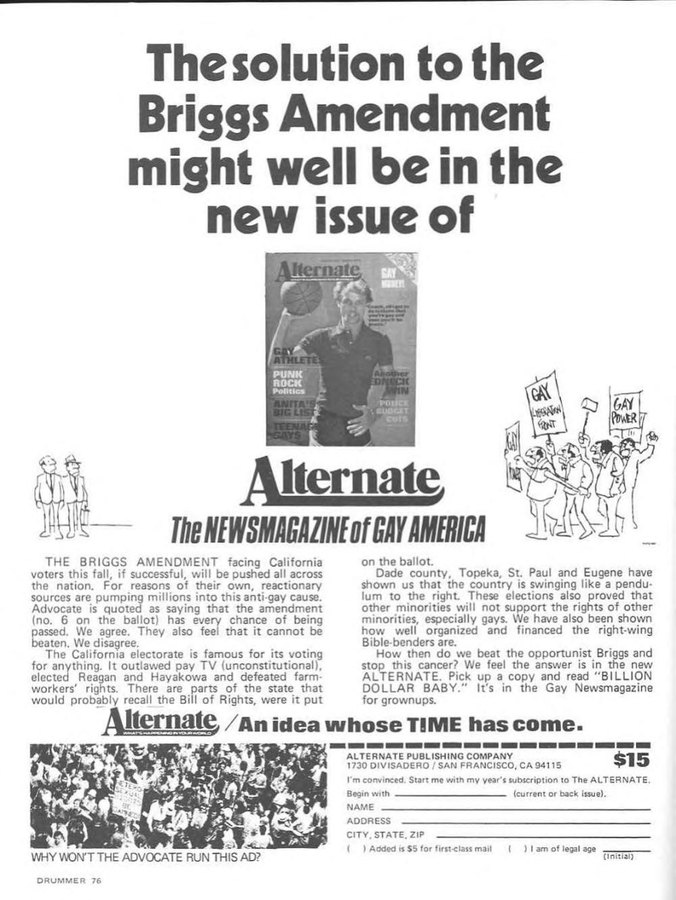
The Briggs Initiative was California Proposition 6, a 1978 ballot measure sponsored by state senator John Briggs that would have barred gay men and lesbians, and anyone who supported gay rights, from working in California public schools; voters rejected it on November 7, 1978, by about 58 to 42 percent.
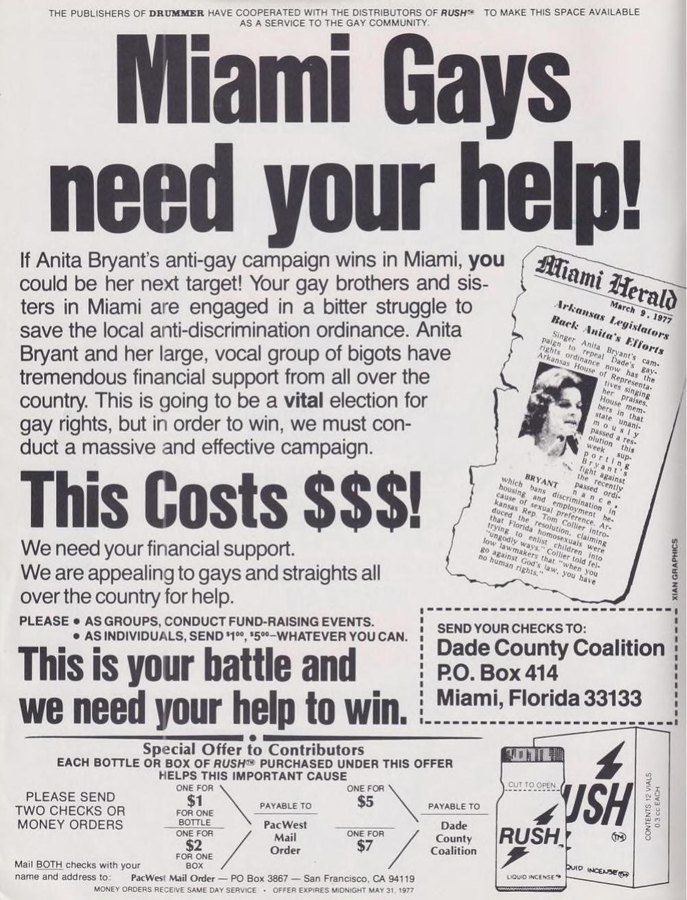
The Briggs Initiative, officially California Proposition 6 of 1978, was the first statewide ballot measure in the United States aimed at restricting the rights of gay men and lesbians. It was sponsored by John V. Briggs, a conservative Republican state senator from Orange County. Wikipedia notes that the idea took shape during Anita Bryant's 1977 "Save Our Children" campaign, which repealed a gay rights ordinance in Dade County, Florida, and the EBSCO Research Starter says Bryant then helped Briggs collect signatures.
- Official title
- School Employees. Homosexuality. Initiative Statute.
- Sponsor
- John V. Briggs, Republican state senator from Orange County
- Election
- November 7, 1978
- Result
- Defeated: 3,969,120 no (58.43%) to 2,823,293 yes (41.57%)
- Signatures required
- 312,404
- Notable opponents
- Harvey Milk, Ronald Reagan, Jimmy Carter, Gerald Ford, Jerry Brown



Quick answers
What were homophile magazines? Homophile magazines were the early gay publications of the 1950s and 1960s, such as ONE (Los Angeles, from 1953), Tangents and Drum, which argued for acceptance and reported news affecting gay men and lesbians.
Who published Drum magazine? Drum was published in Philadelphia by Clark P. Polak, first under the Janus Society of America and later by Drum Publishing Company. It ran news, A. Jay's Harry Chess comic strip and physique photos.
What did Drum tell gay men about the draft? In February 1966 Drum advised gay men who checked the "homosexual tendencies" box to make sure Selective Service saw it before the induction oath, arguing a 4-F or 1-Y classification was better than a less-than-honorable discharge.
When did gay magazines start covering pride marches? By the mid-1970s glossy magazines carried them: In Touch's September 1974 issue reported on New York's gay pride march of Sunday, June 30, 1974, with photographs of floats and banners.