Sculpture
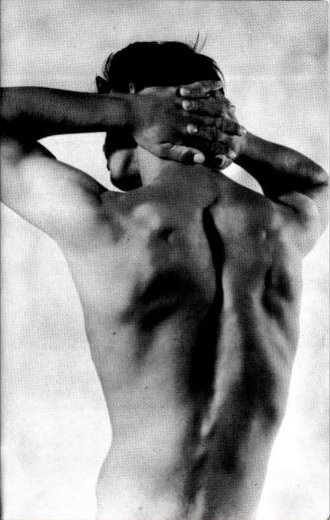
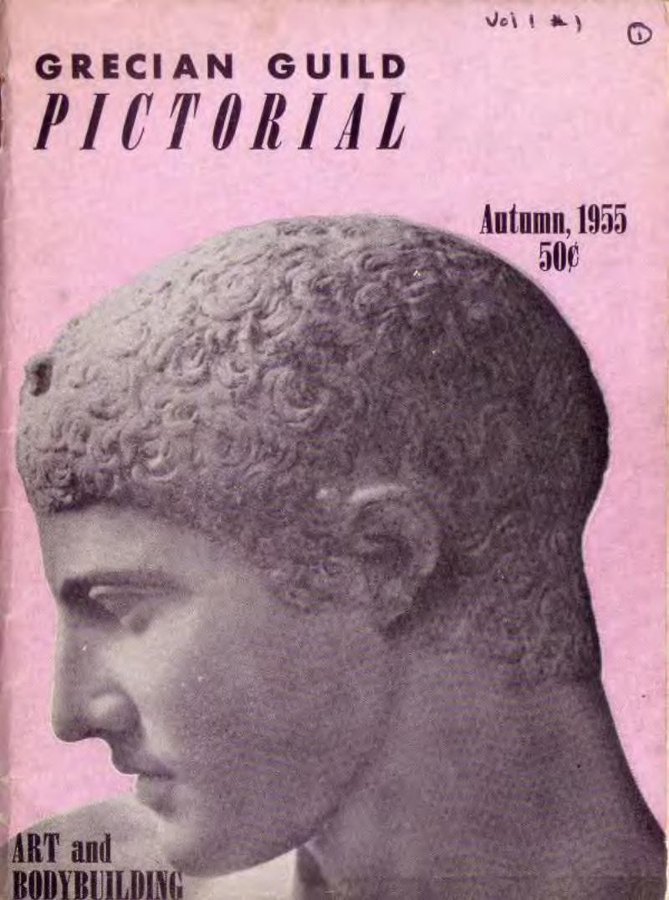
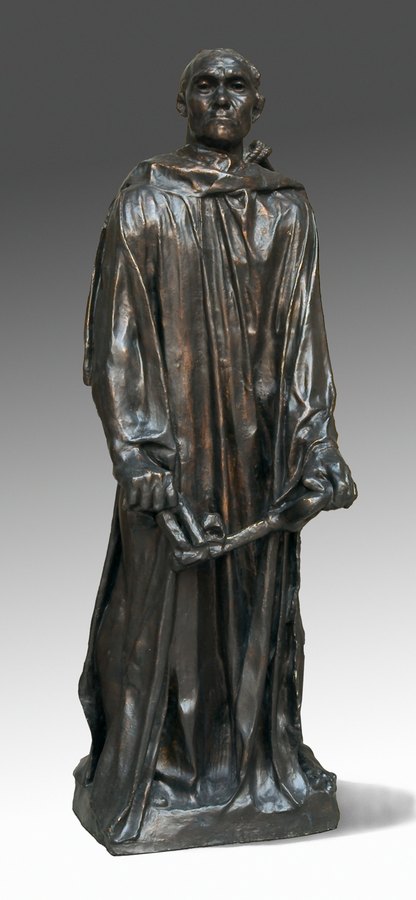
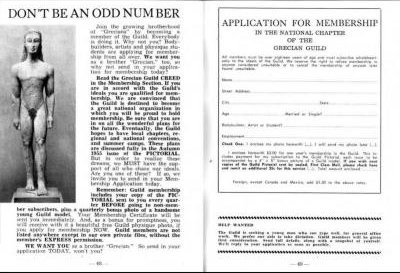
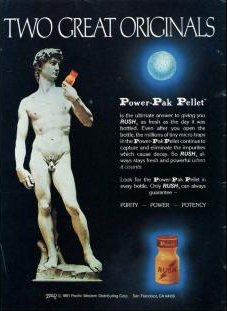
What does sculpture have to do with vintage gay art? Classical statues gave physique culture its vocabulary and its alibi. Our sculpture plates start with Auguste Rodin's 1889 plaster of Jean d'Aire, one of the Burghers of Calais, at the Art Institute of Chicago. The physique magazines of the 1950s put marble on their covers: Grecian Guild Pictorial No. 1 (Autumn 1955) ran the head of Myron's Discobolus under the line 'Art and Bodybuilding,' and Art and Physique (1956) set a classical bust on black. Body Beautiful (November 1954) paired a bust with a living face, and Fizeek (June 1963) lit a back like stone. Later the joke turned: Drummer 18 (1977) taught body casting in plaster, and an In Touch ad of March 1982 handed Michelangelo's David a bottle of Rush.




Quick answers
Why did physique magazines use classical sculpture? Covers like Grecian Guild Pictorial No. 1 (1955), with Myron's Discobolus under 'Art and Bodybuilding,' and Art and Physique (1956) presented the male body as art in the classical tradition.
Which sculptures appear in this collection? Rodin's Jean d'Aire from the Burghers of Calais (1889 plaster, Art Institute of Chicago), the head of Myron's Discobolus on Grecian Guild Pictorial, a classical bust on Art and Physique, and Michelangelo's David in a 1982 In Touch ad.
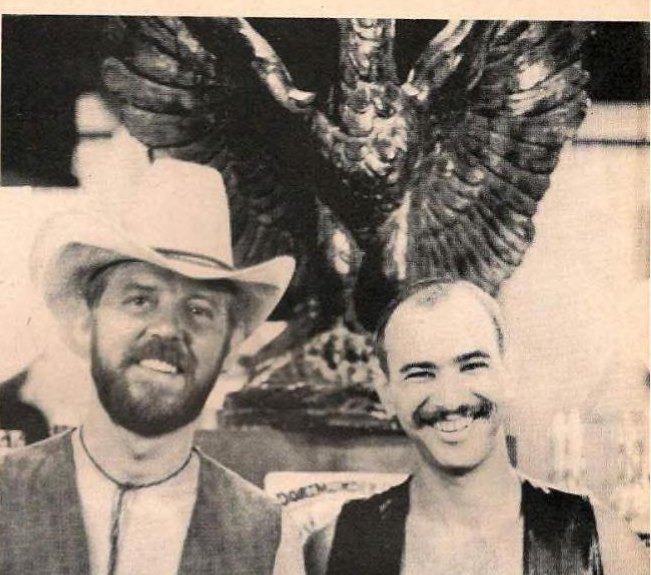
What was the Drummer body-casting feature? 'Body Casting' by Taylor of San Francisco, with photos by Gene Weber, in Drummer 18 (1977): a how-to on casting a torso in plaster strips.