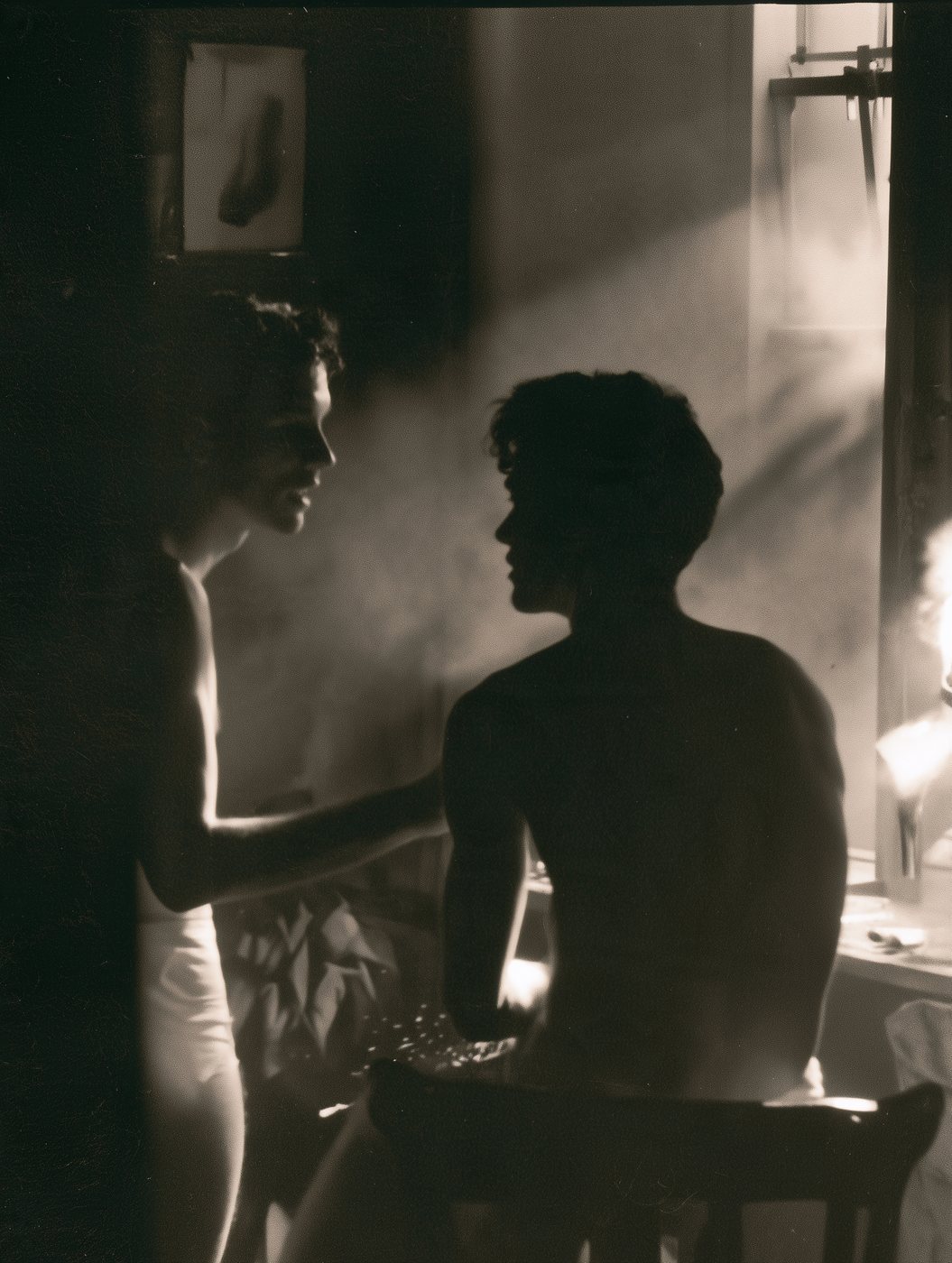
Modernism
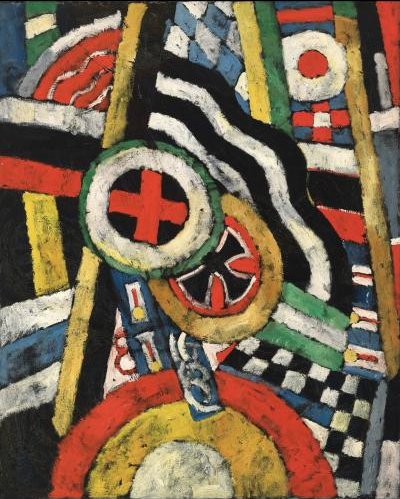
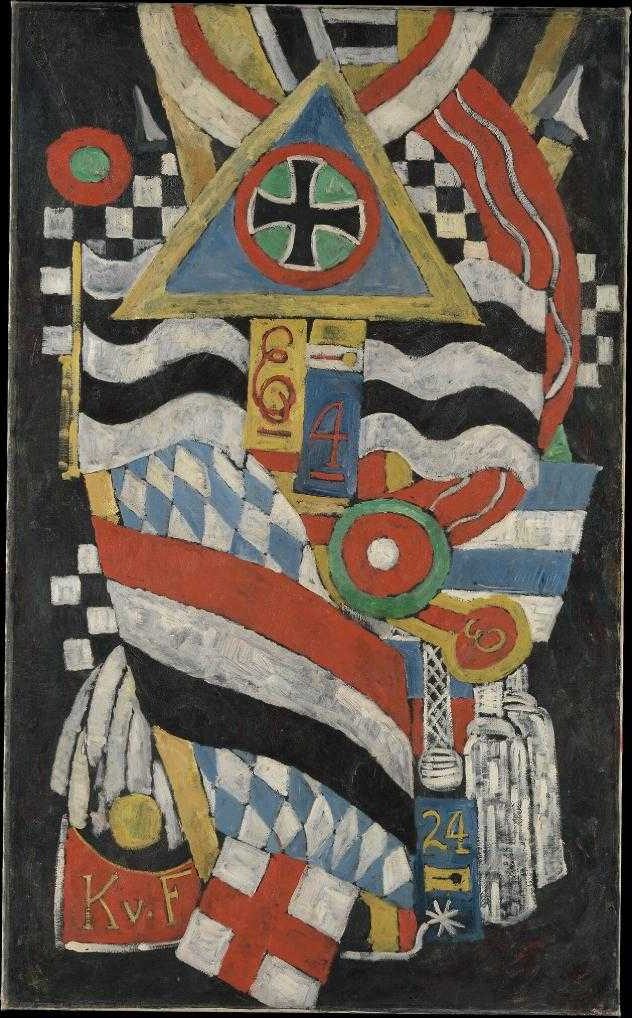
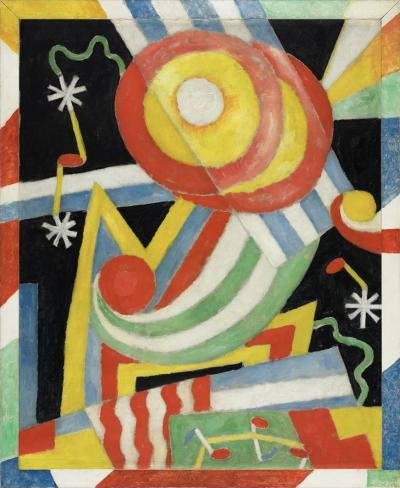
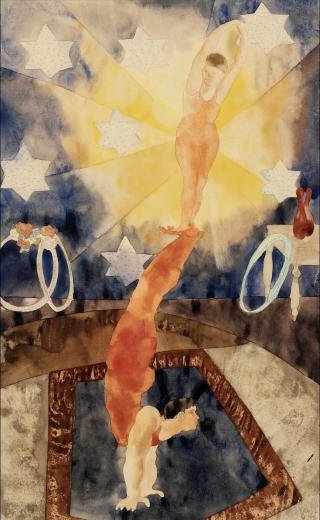
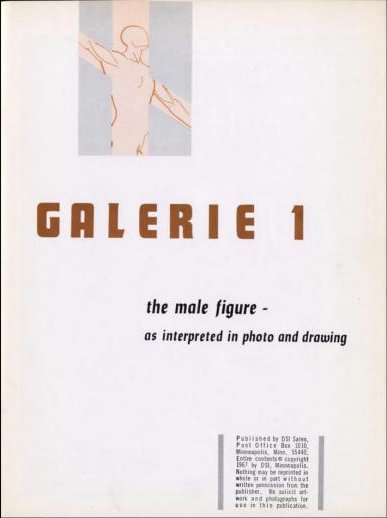
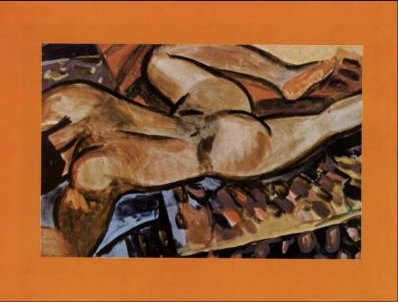
Modernism in gay art history means the early 20th century painters and printmakers whose new abstract and stylized languages carried same-sex feeling, often in code. The clearest case here is Marsden Hartley: his Portrait of a German Officer (1914, Metropolitan Museum of Art) is a coded abstract portrait of Karl von Freyburg, the lieutenant Hartley loved, who was killed in the First World War, and his Berlin paintings of 1913-15 build on the same crosses, flags and checkerboards. Charles Demuth's 1917 watercolor Two Acrobats in Red Tights (Barnes Foundation) and Henri Gaudier-Brzeska's linocut of two wrestlers, about 1914 (The Met), show the male body flattened into bold shapes. The theme also follows how later physique magazines such as Art and Physique (1956) and Galerie (1967) borrowed modernist lettering and painting.





Quick answers
Who was Marsden Hartley's Portrait of a German Officer about? It is a coded abstract portrait of Karl von Freyburg, the German lieutenant Hartley loved, who was killed in the First World War. Hartley painted it in 1914 and it is now in the Metropolitan Museum of Art.
Which modernist artists painted the male body in a gay context? Marsden Hartley and Charles Demuth are the best known American examples; Demuth's watercolors of acrobats and vaudeville performers date from around 1917. Henri Gaudier-Brzeska's linocut Wrestlers, about 1914, is another early modernist male study.
Are these modernist works in the public domain? The works shown here from before 1930, including Hartley's and Gaudier-Brzeska's, are public domain images from museum open access collections such as The Met.