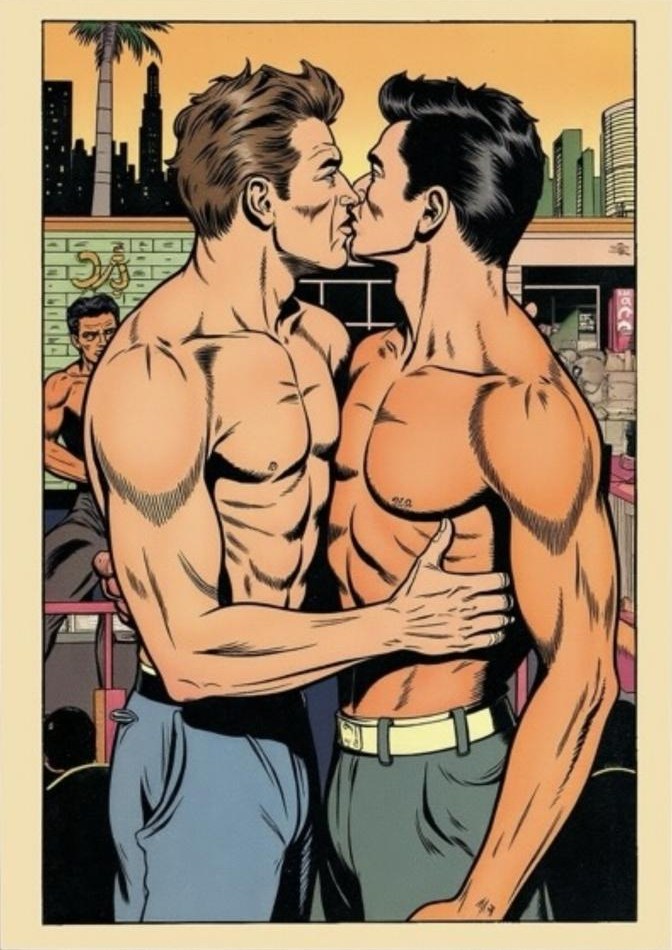
The Castro clone look
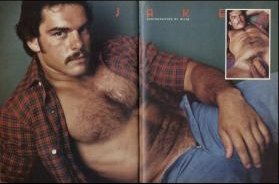
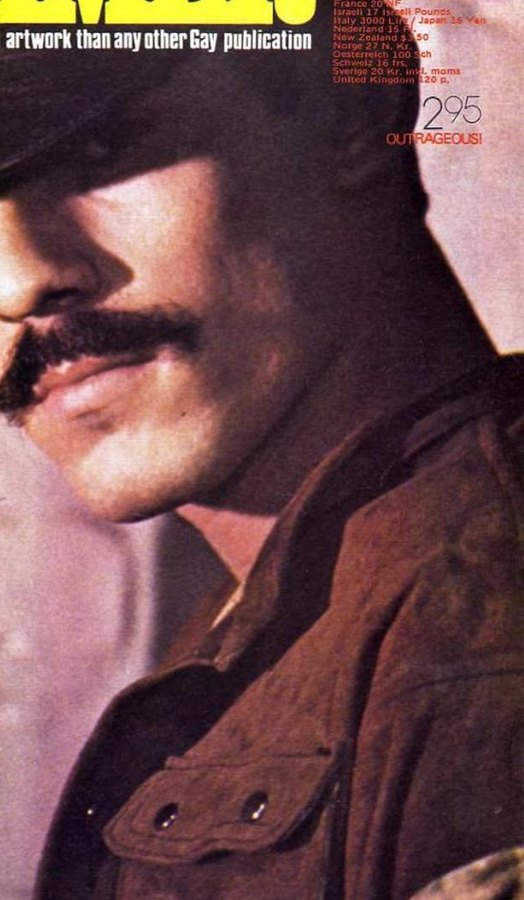
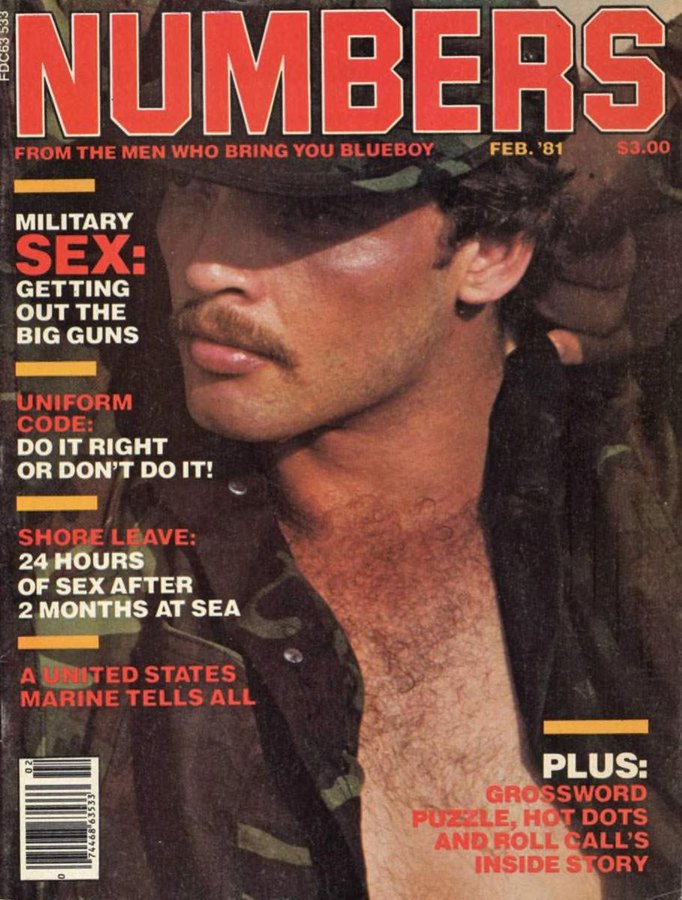
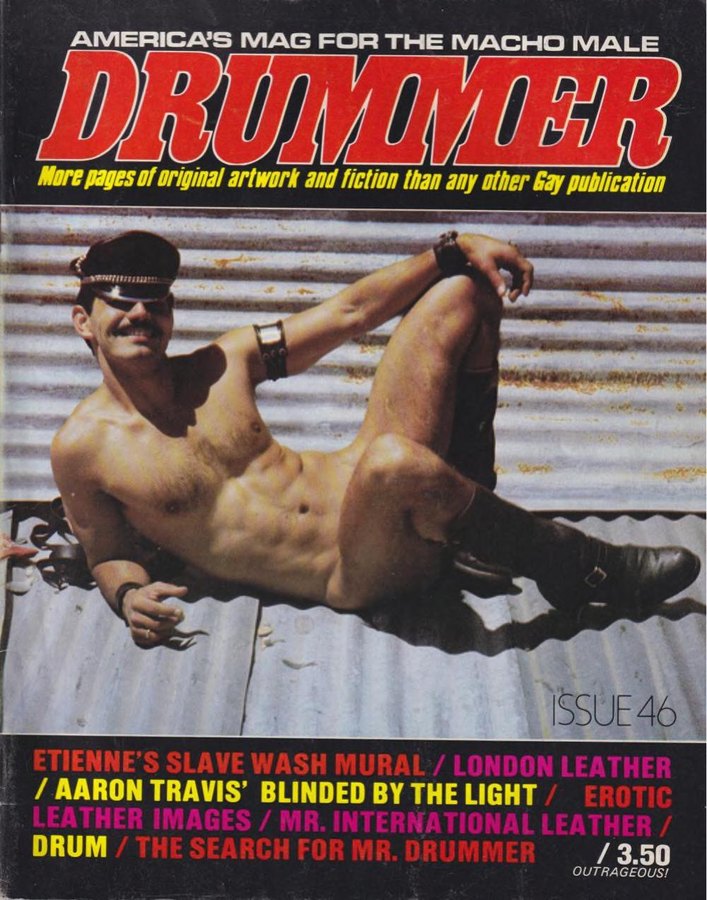
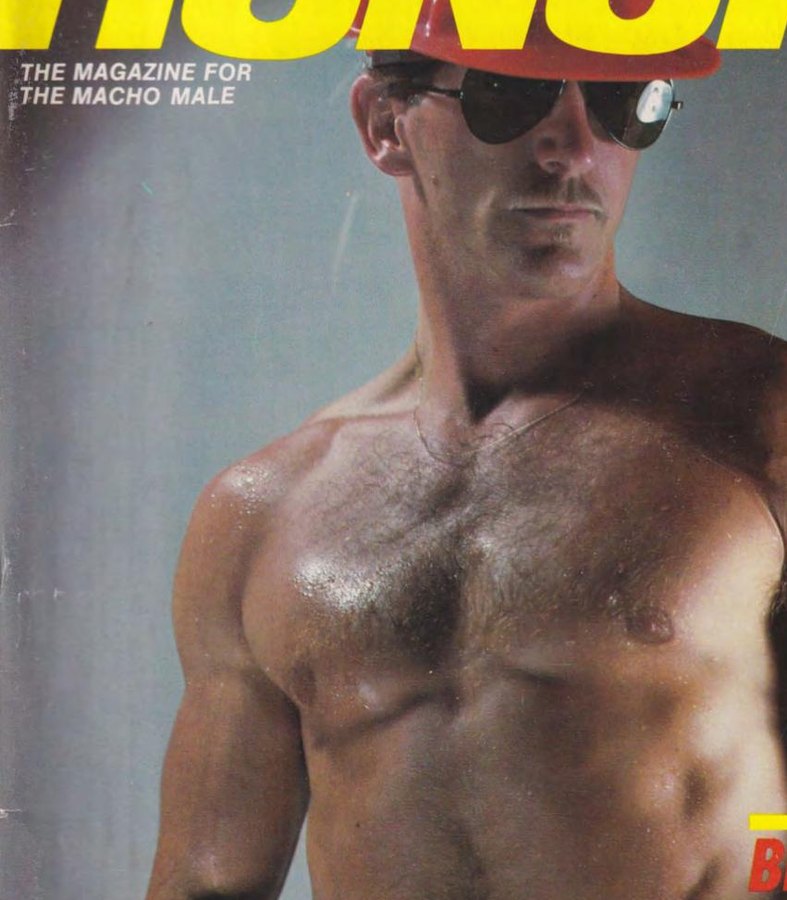
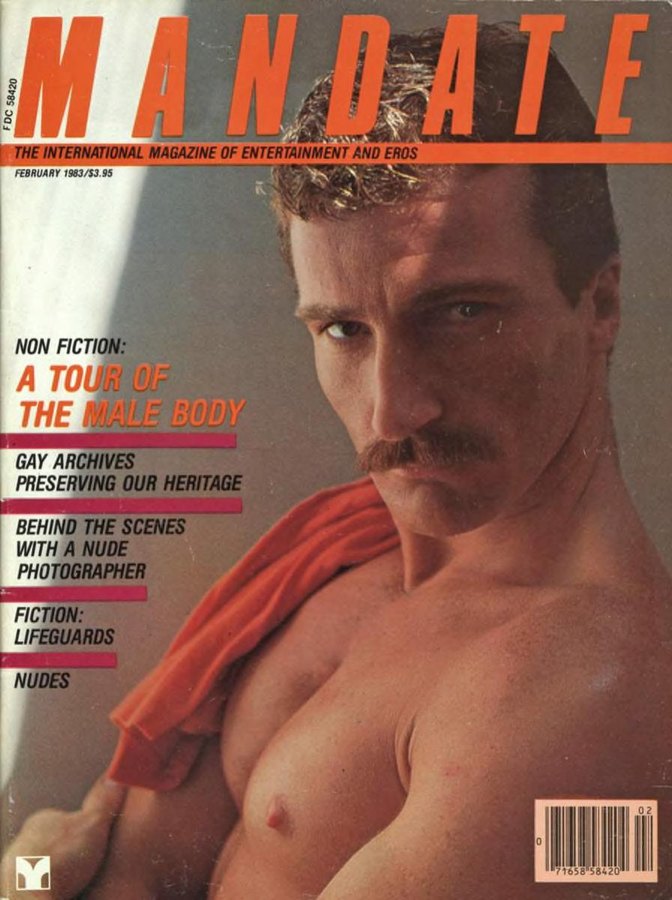
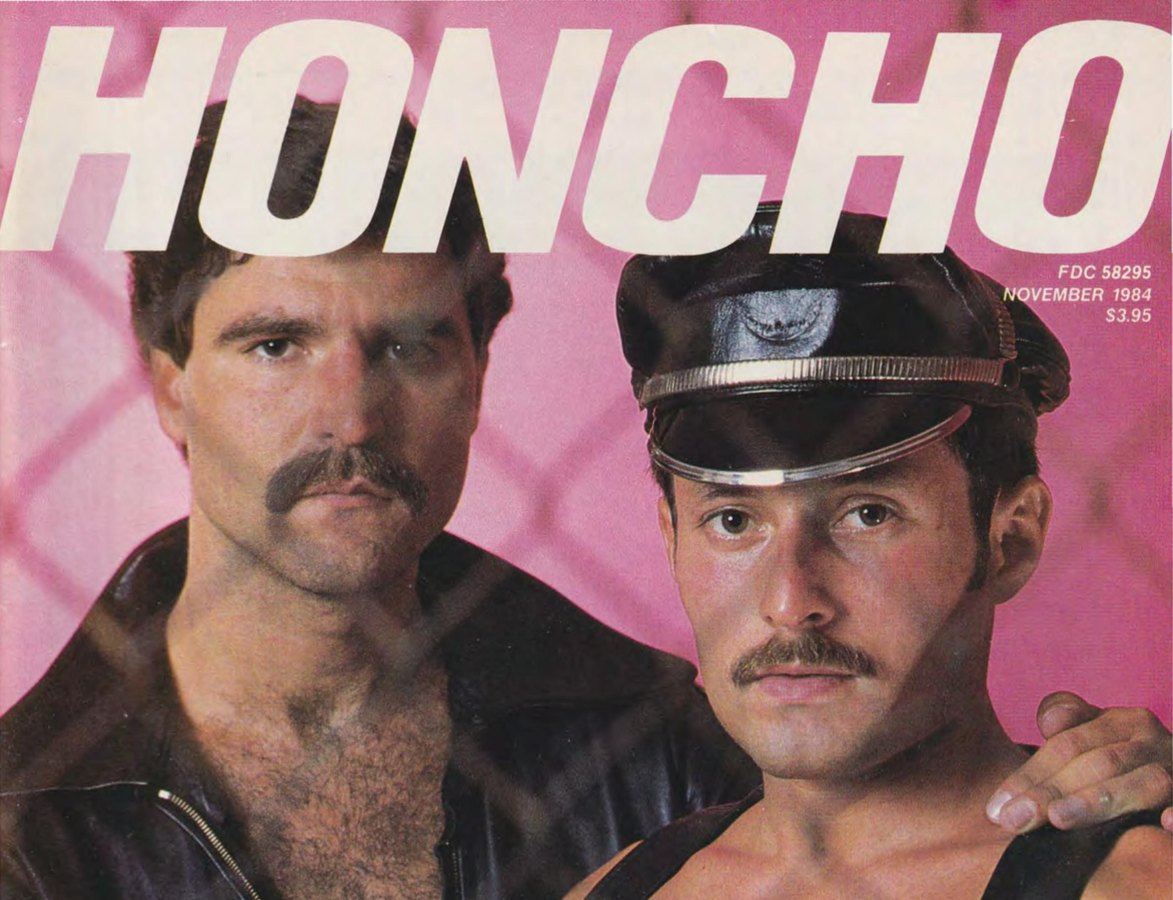
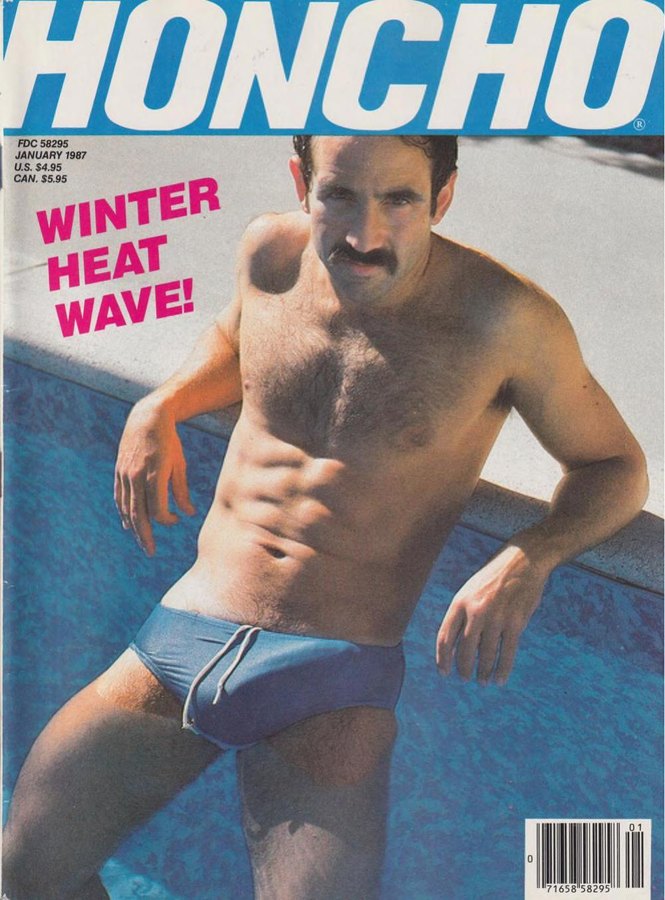
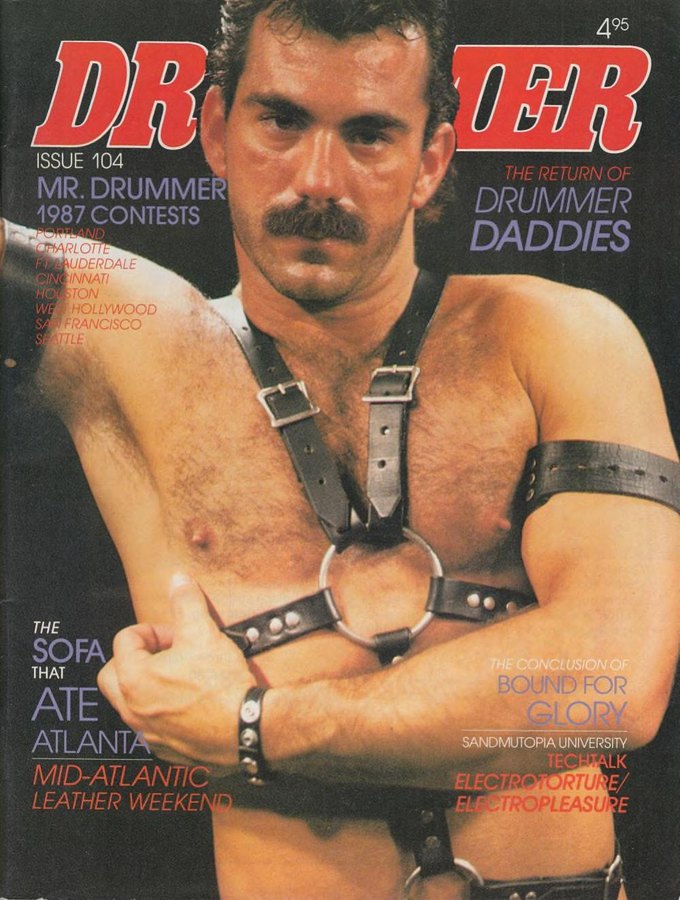
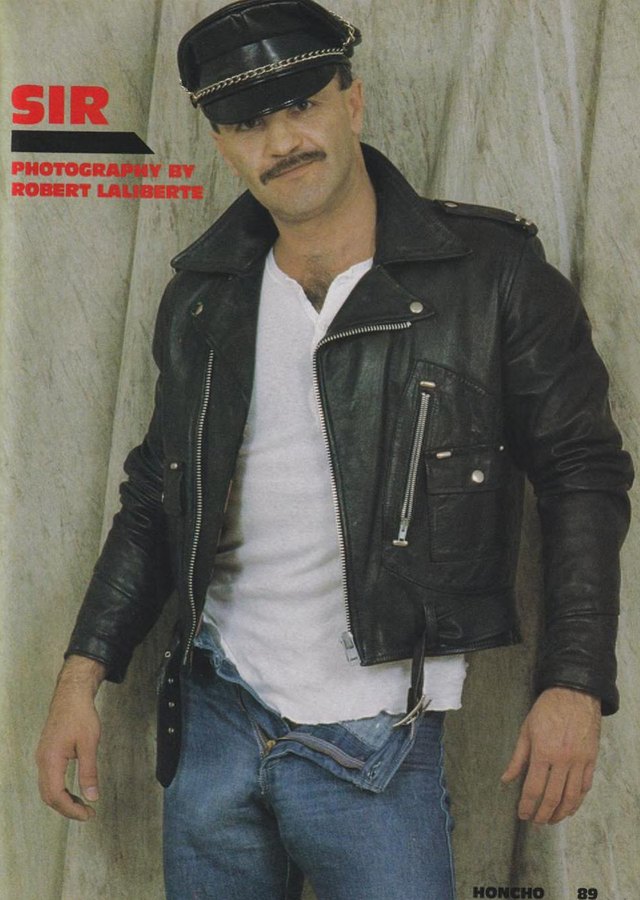
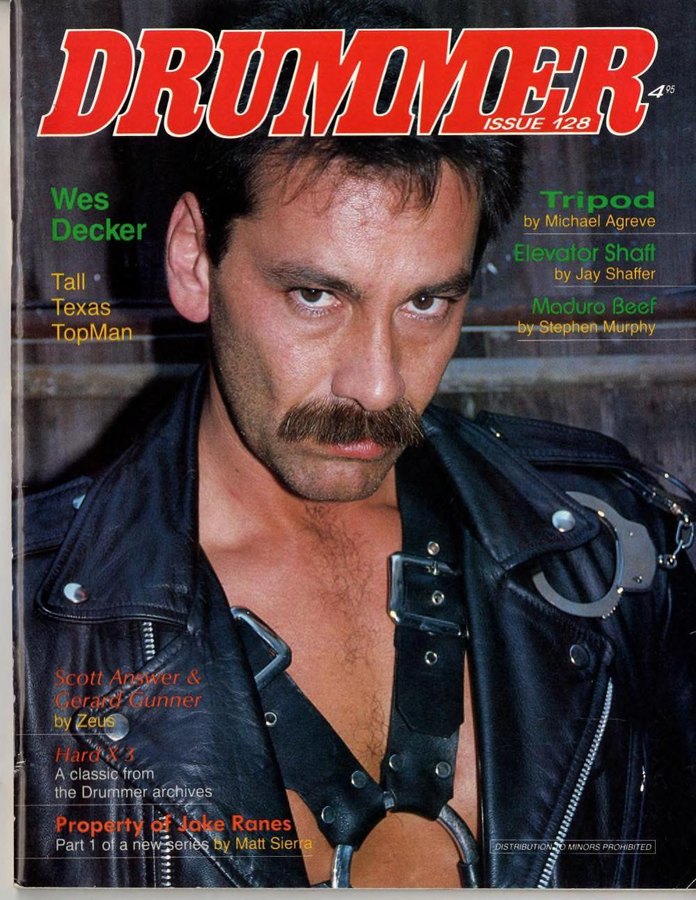
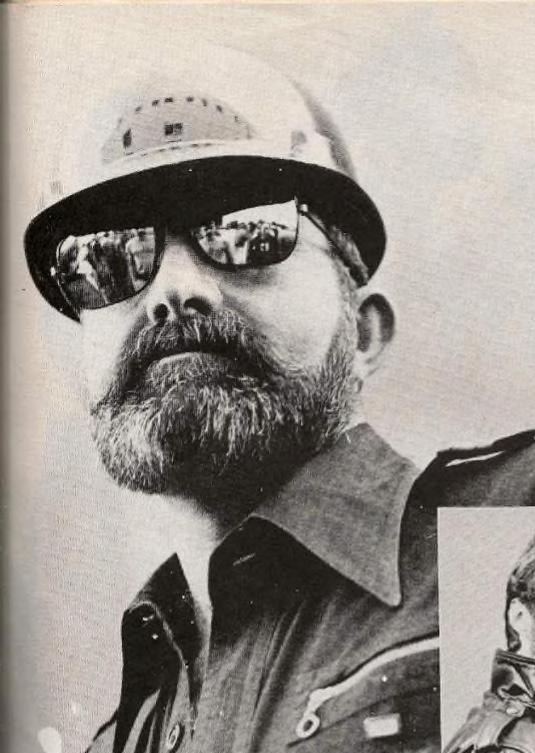
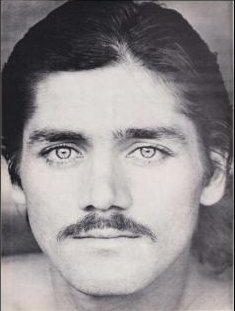
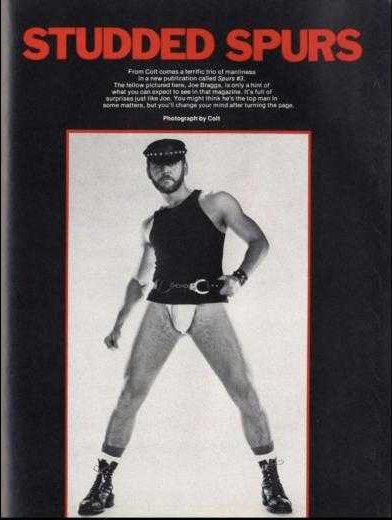
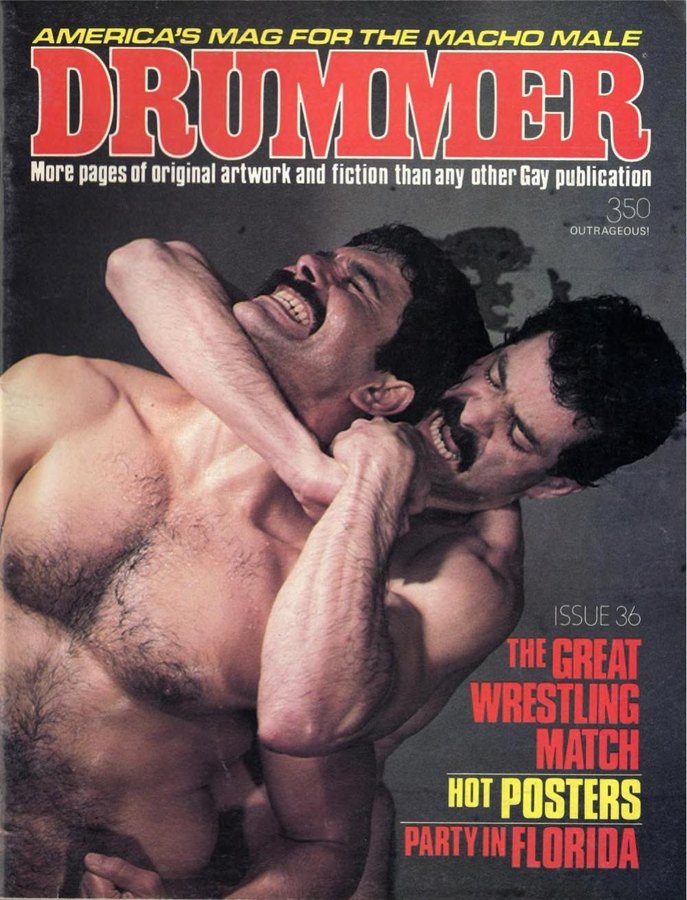
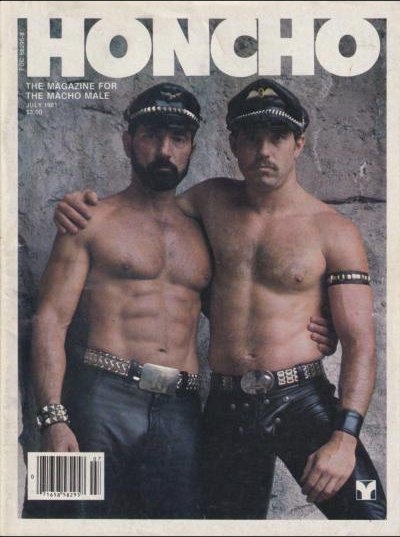
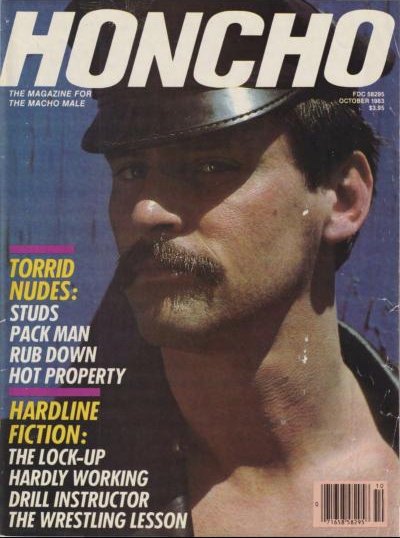
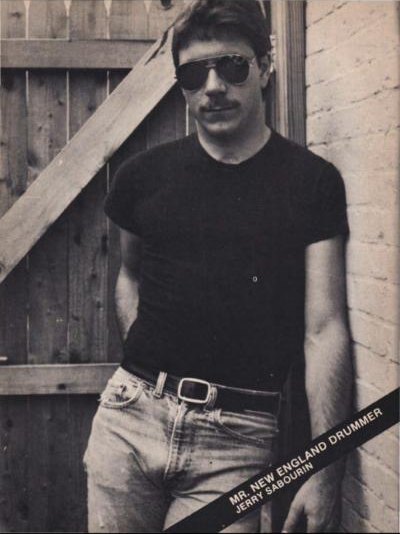
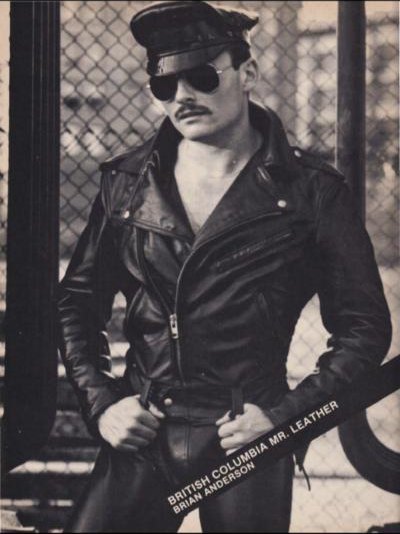
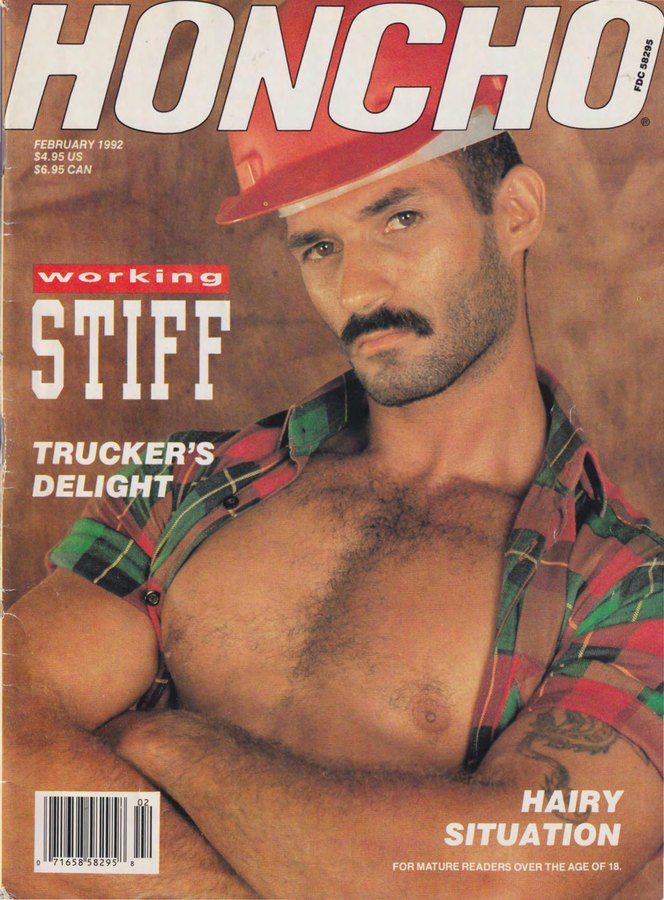
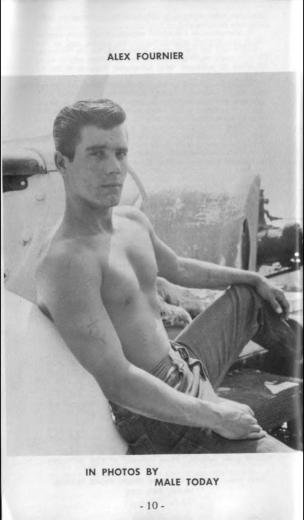
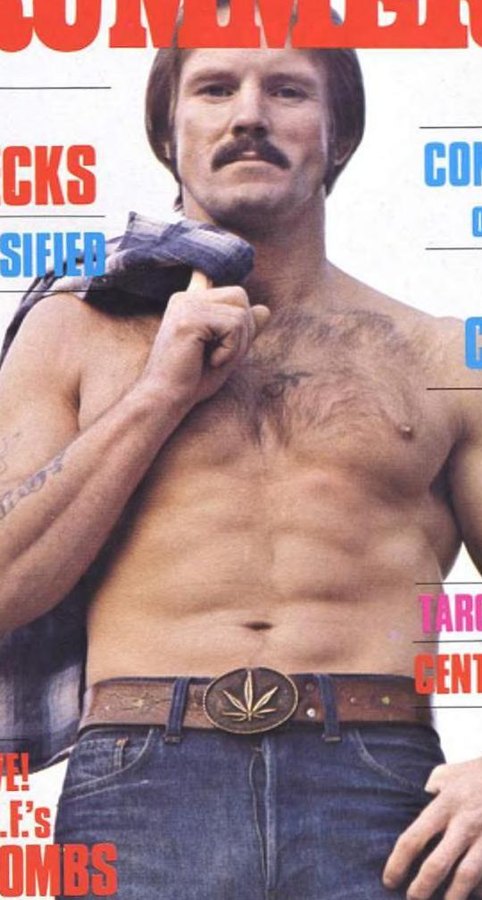
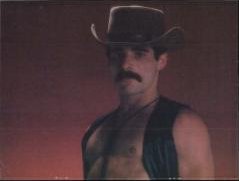
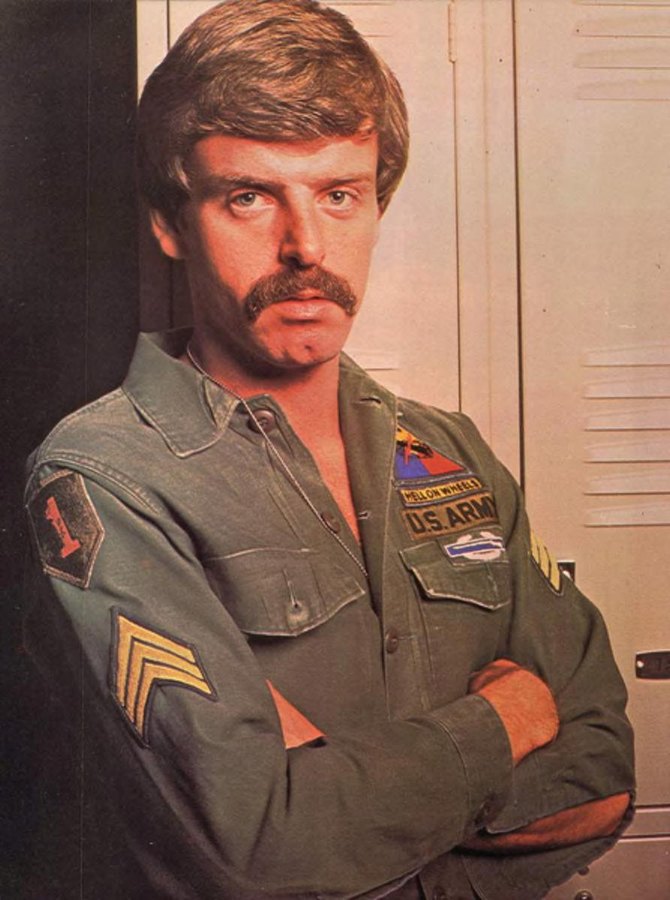
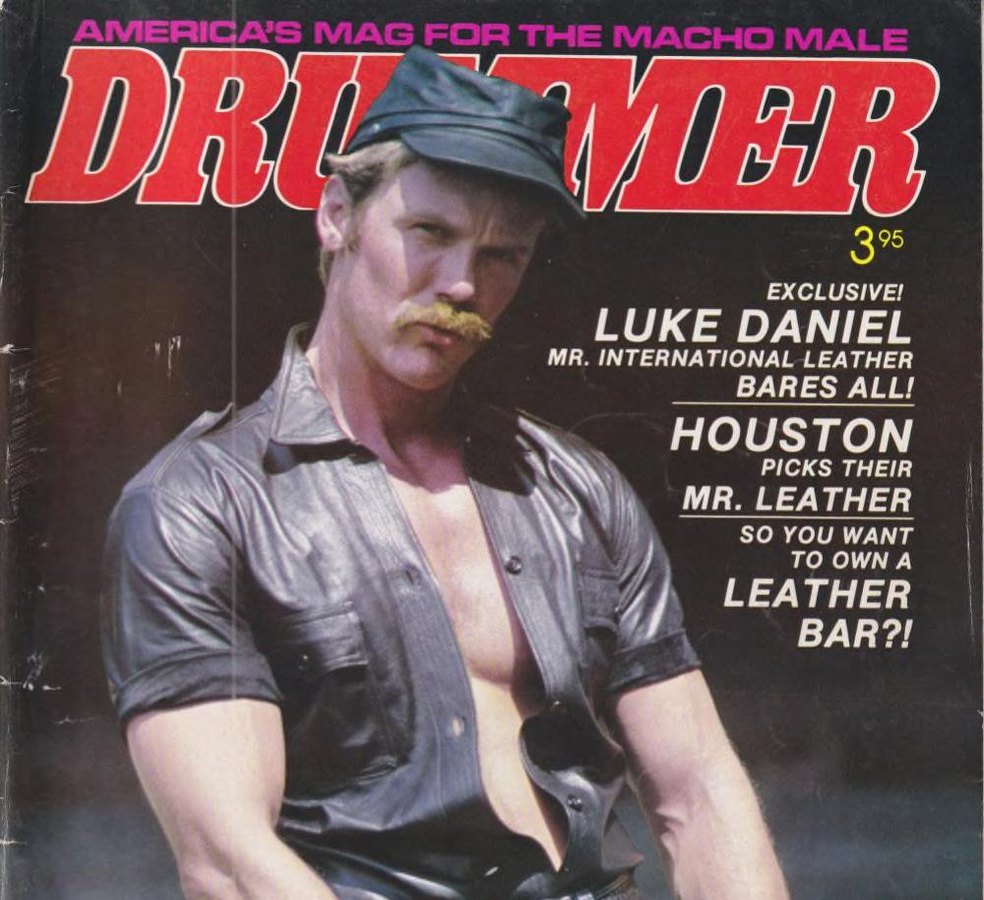
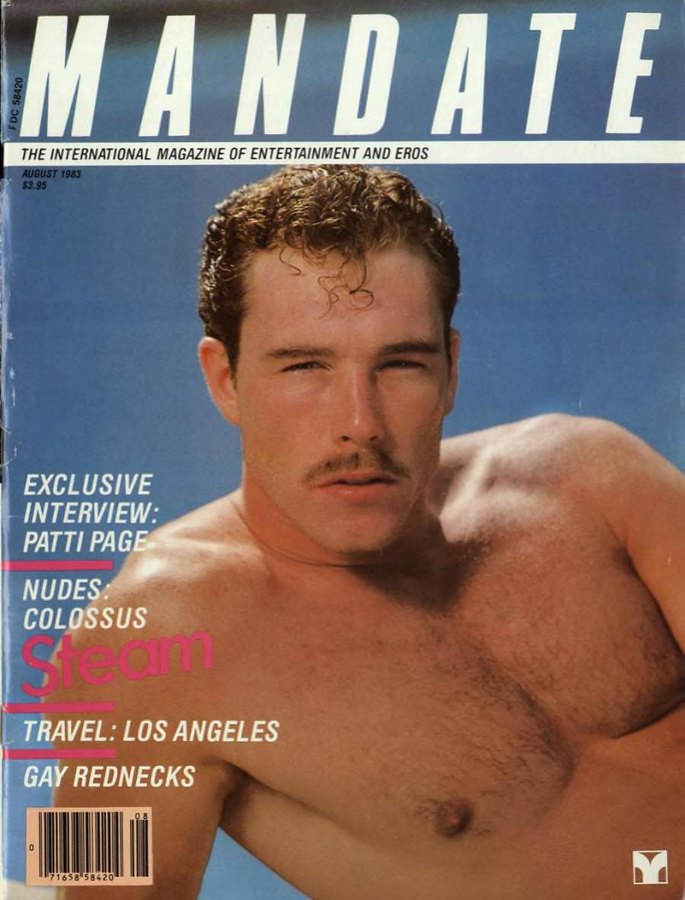
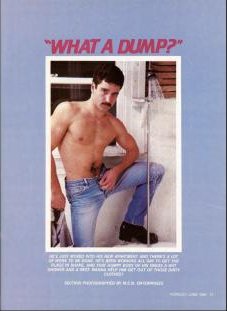
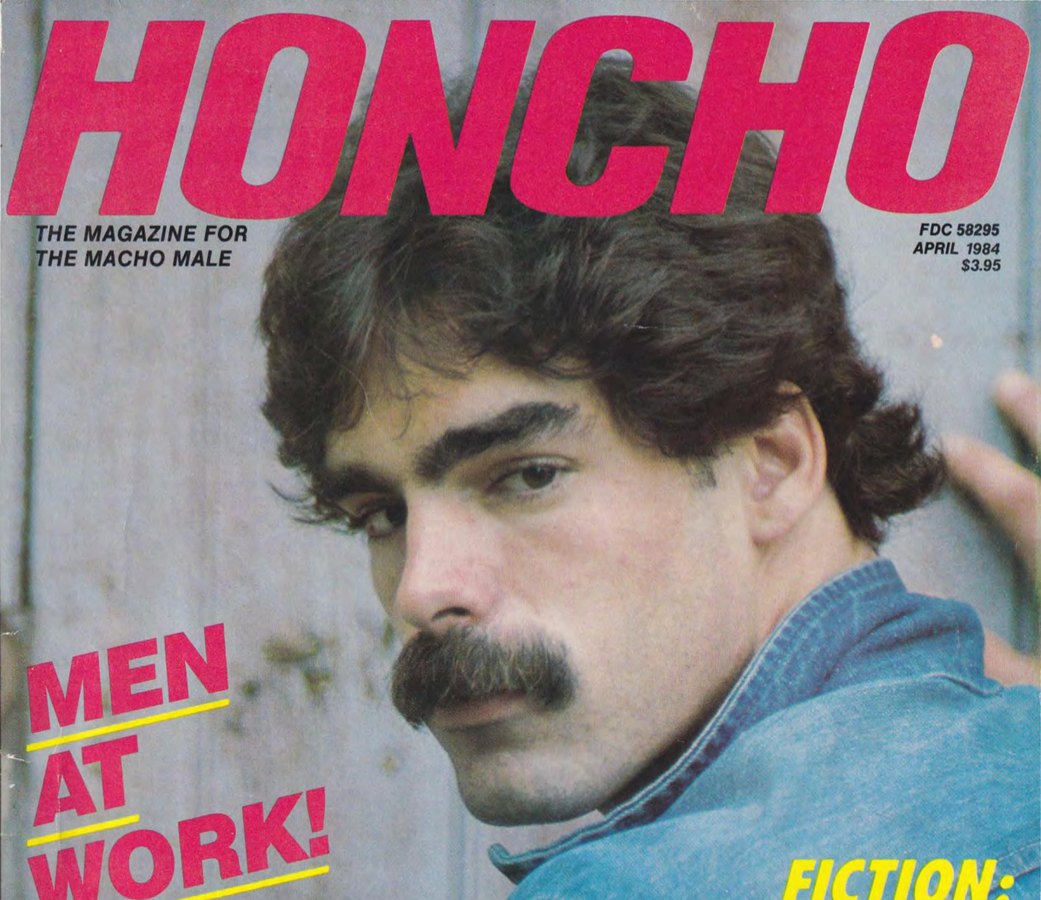
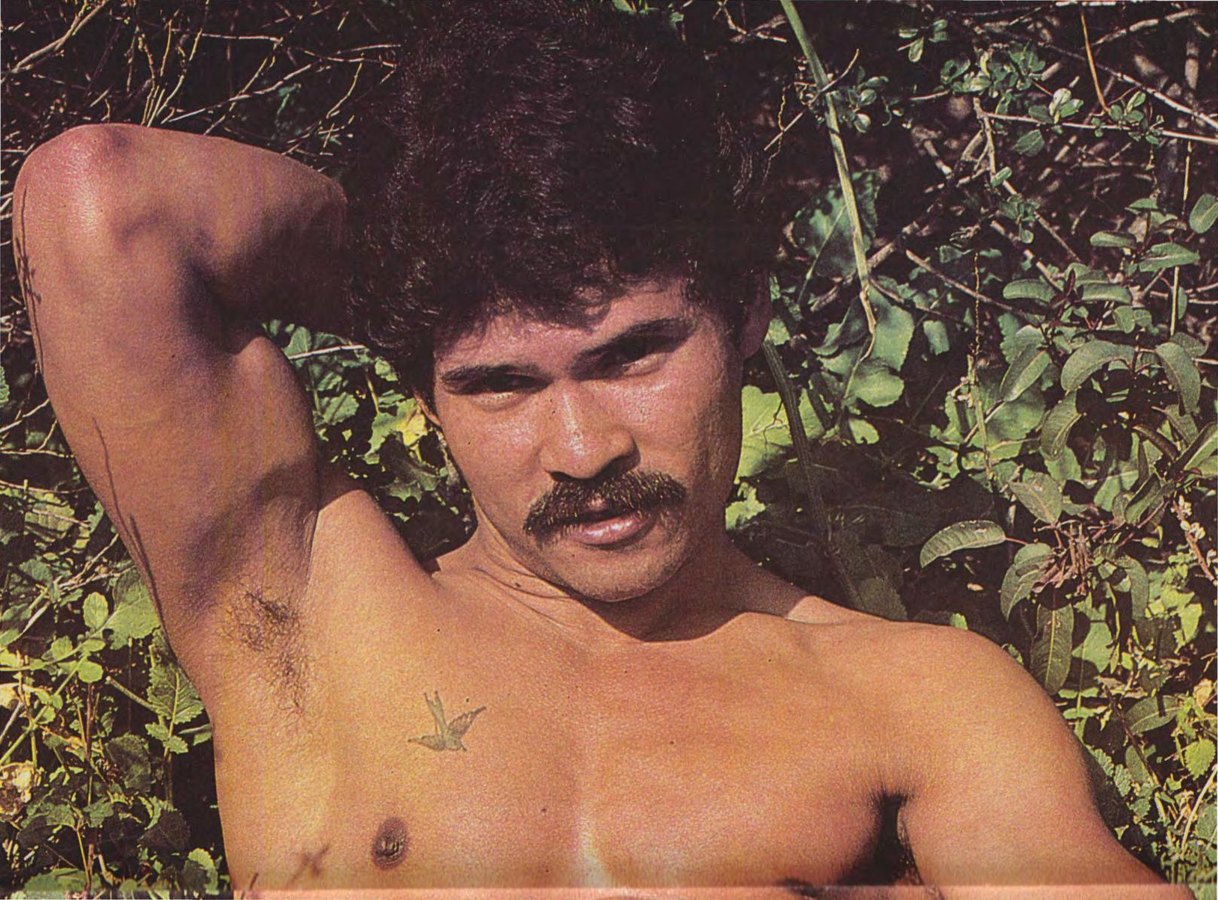
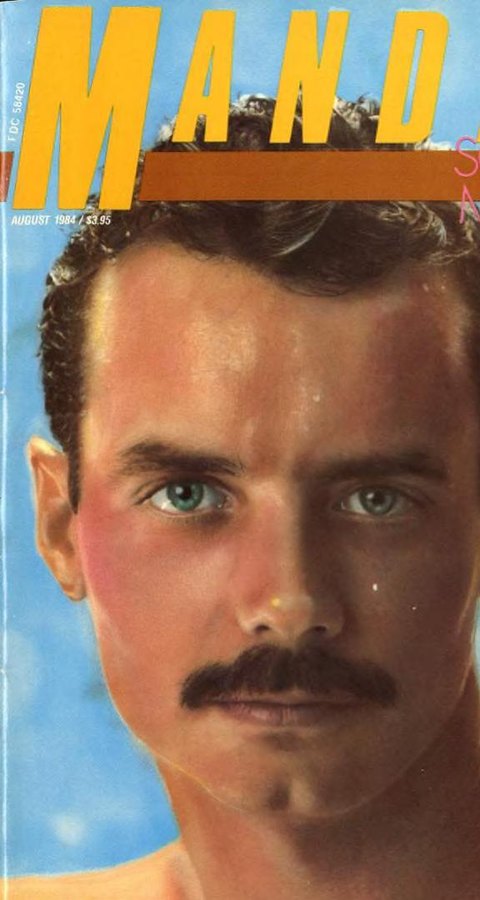
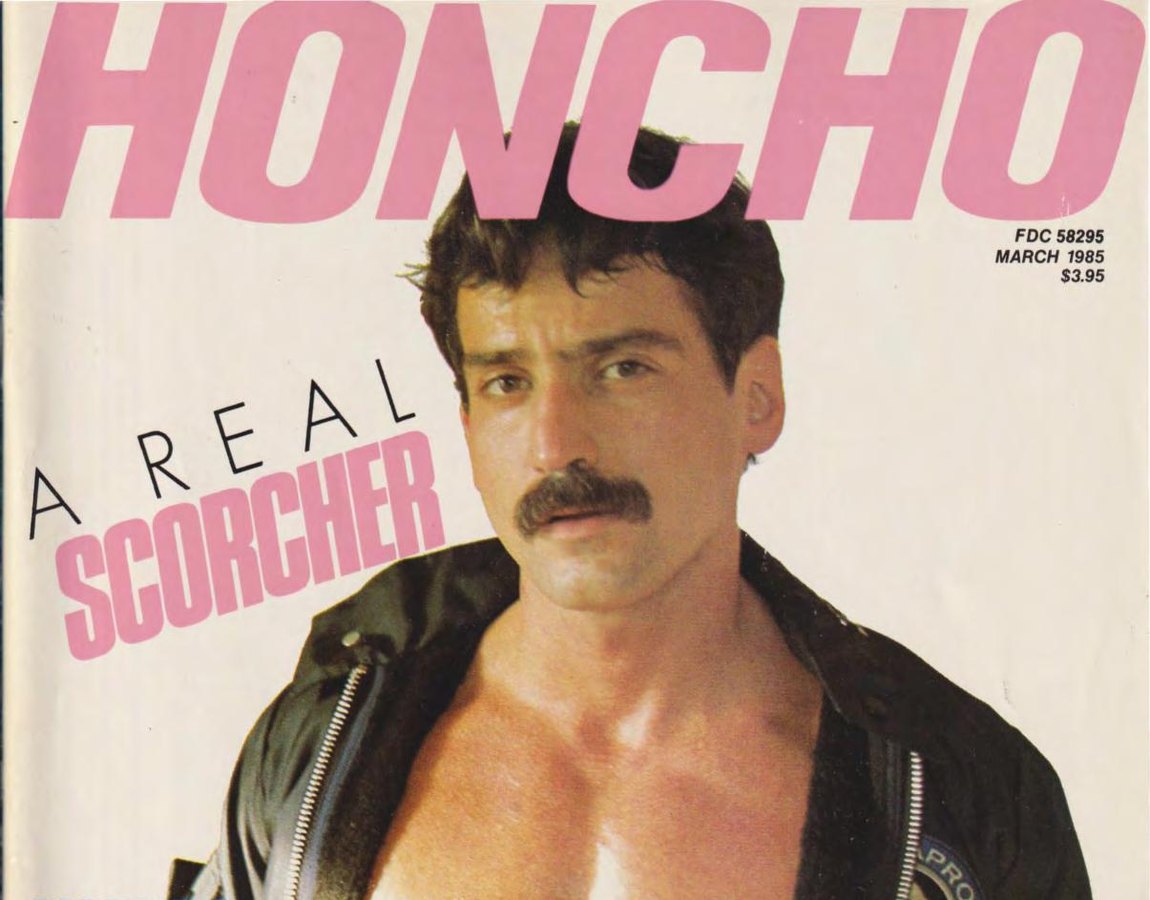
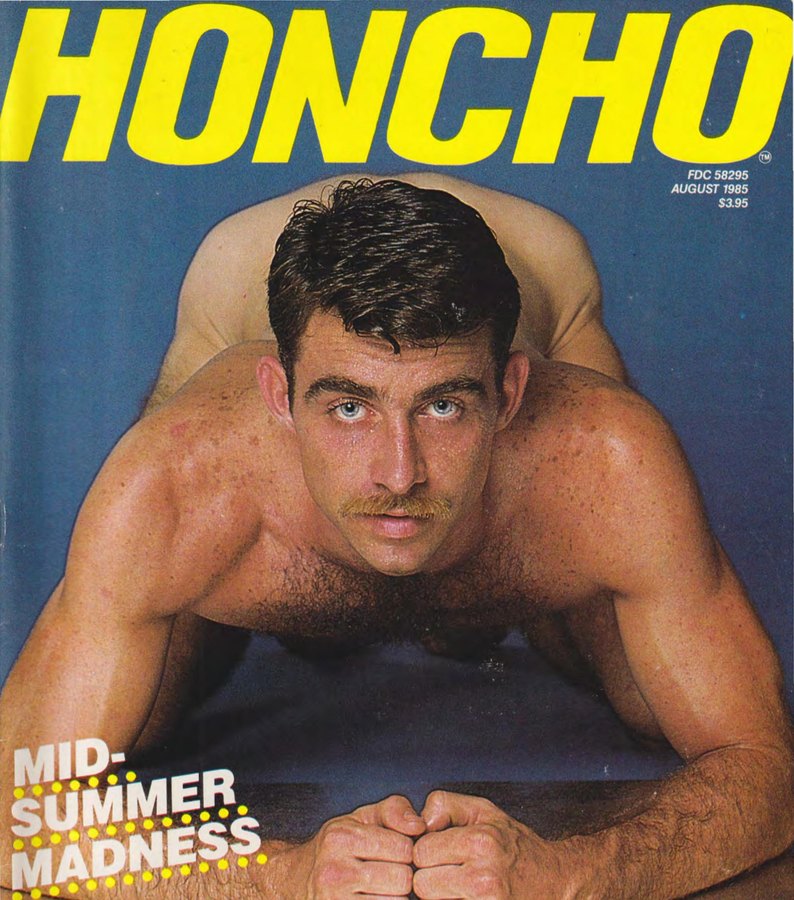
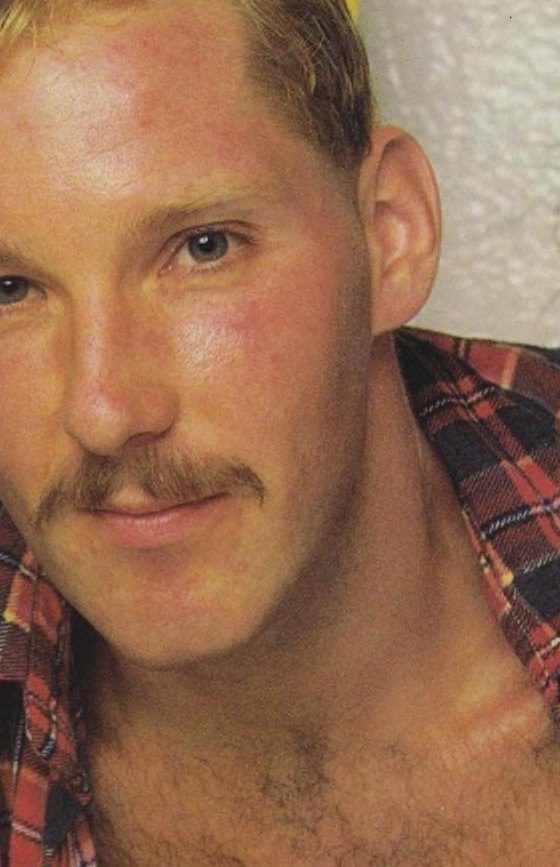
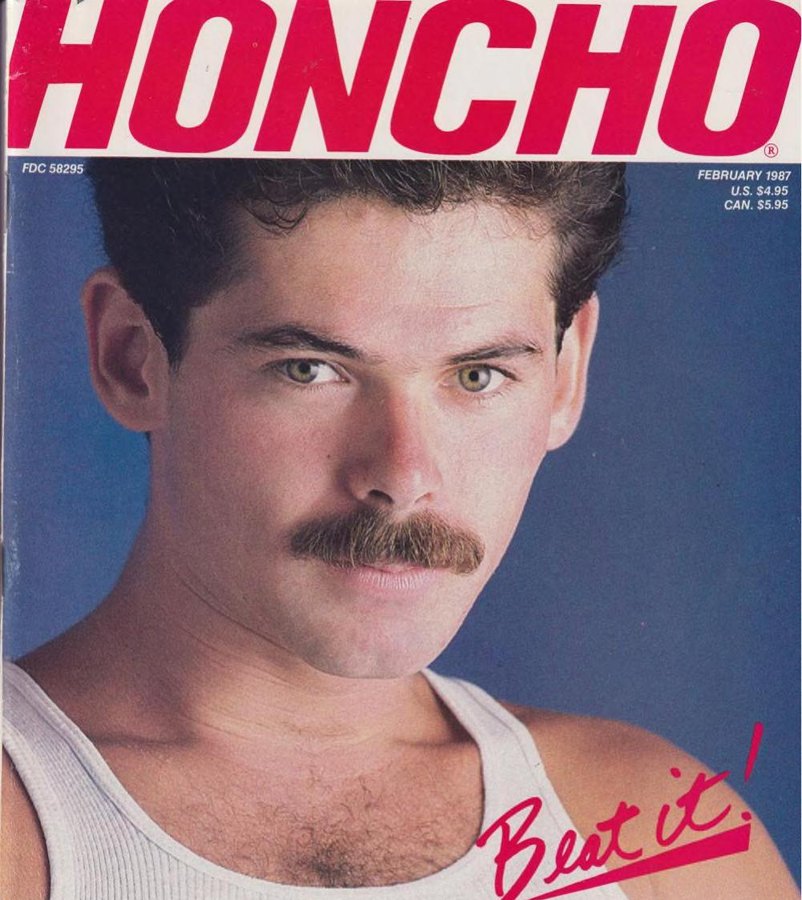
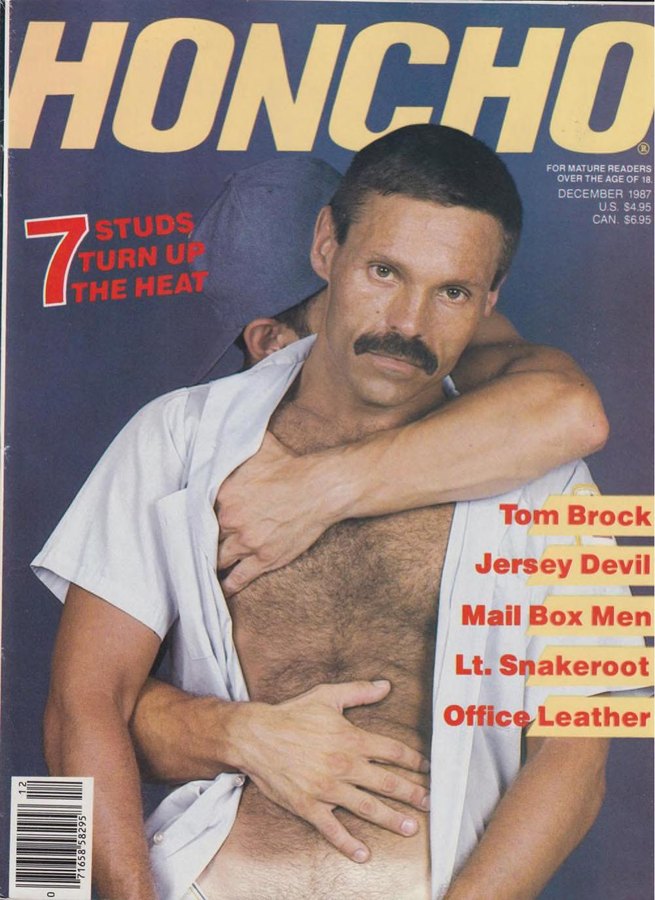
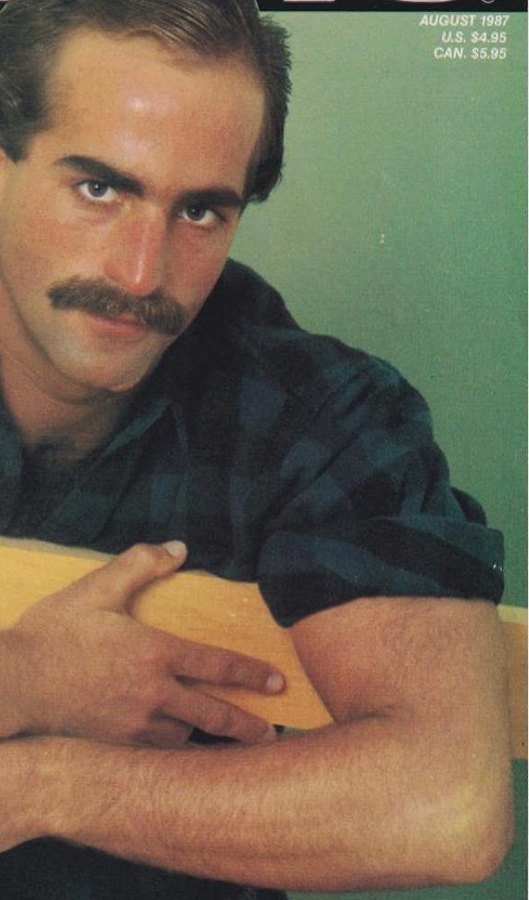
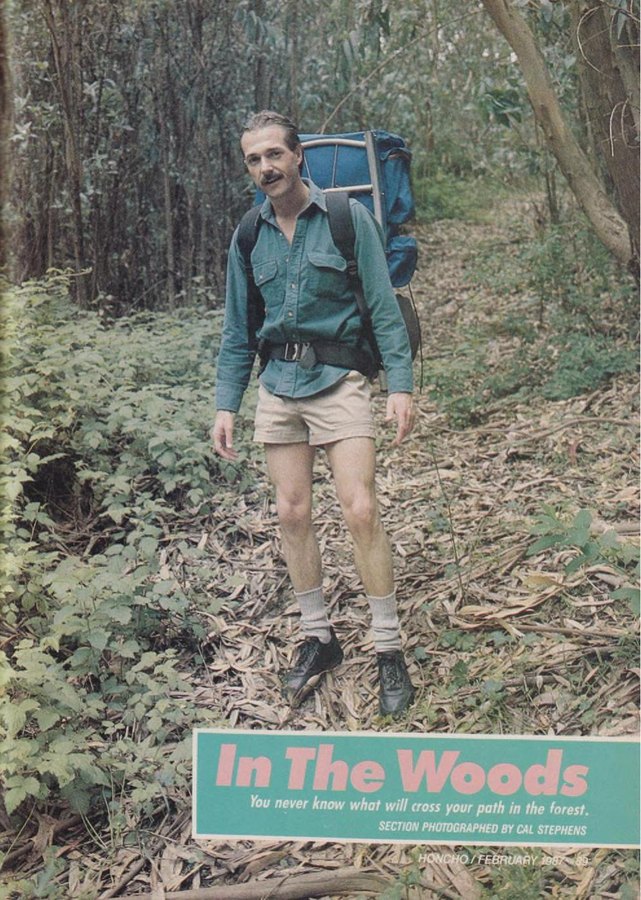
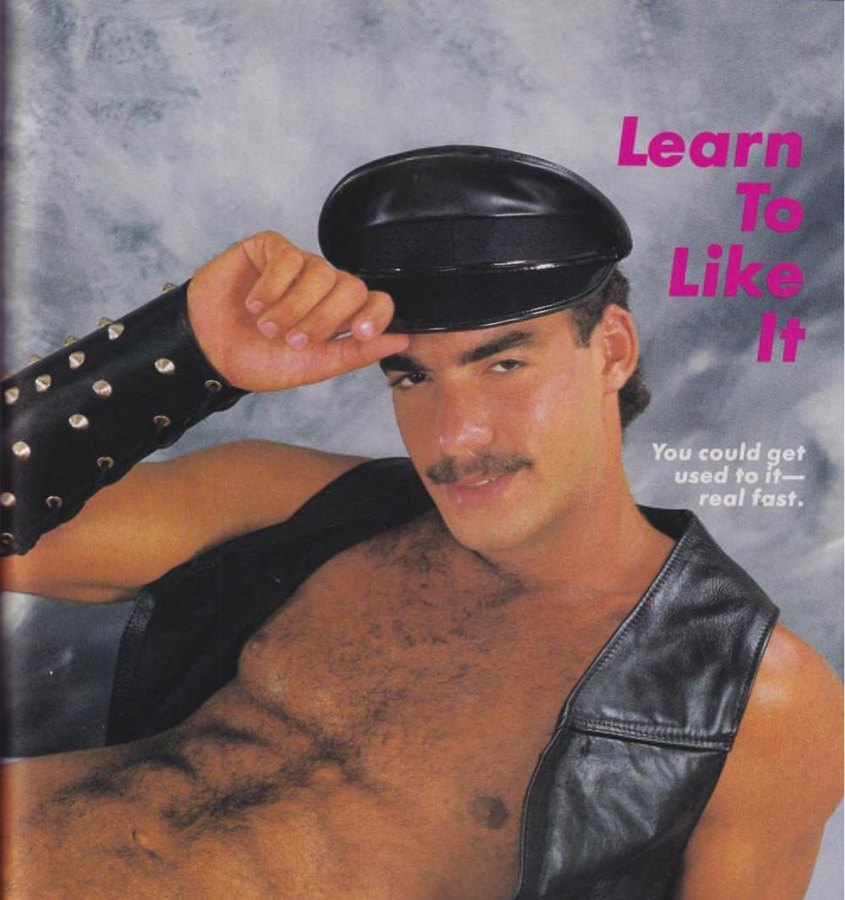
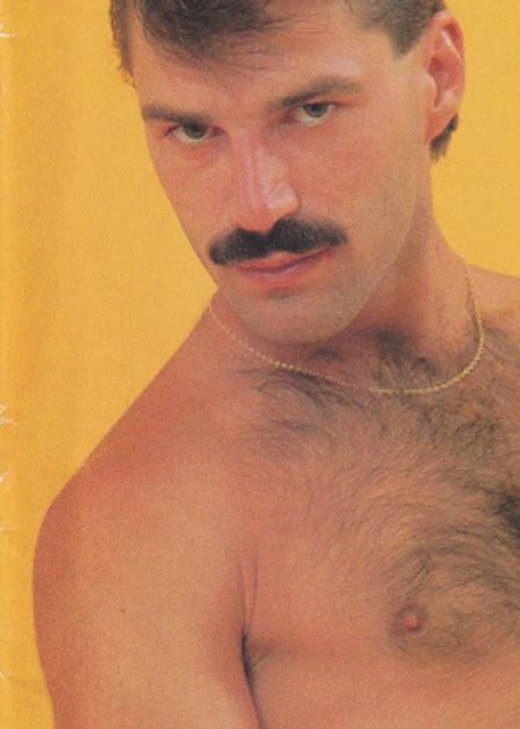
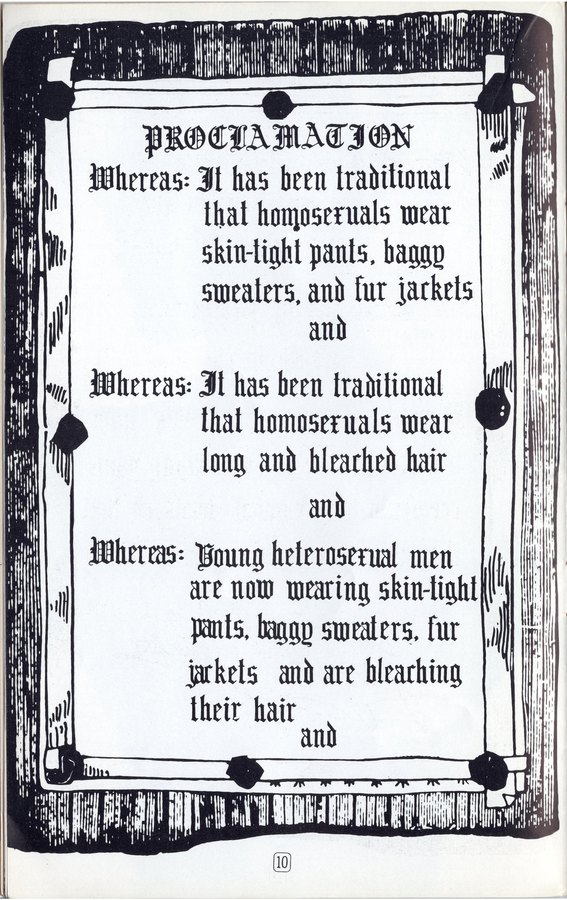
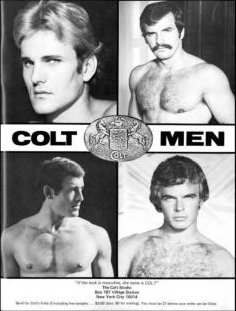
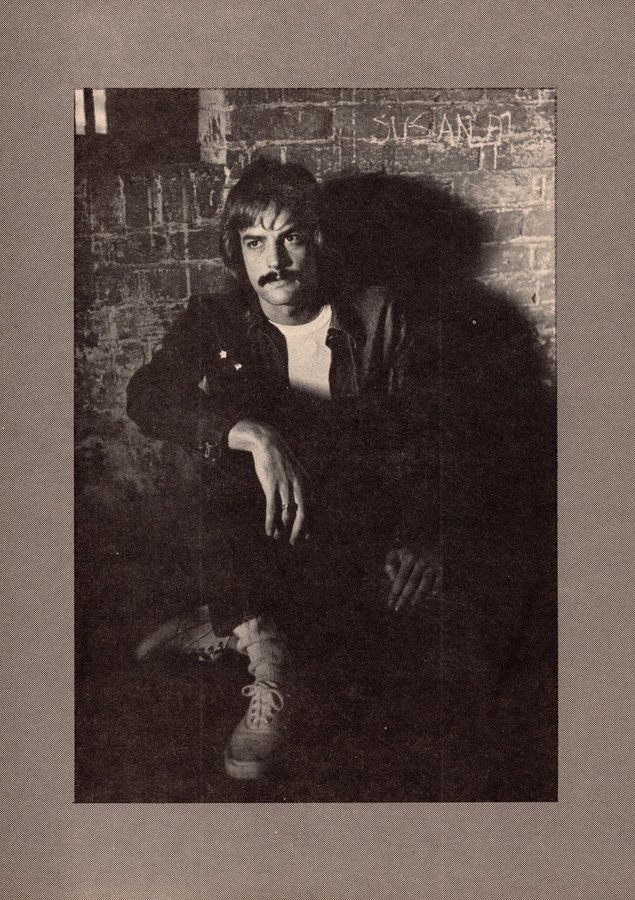
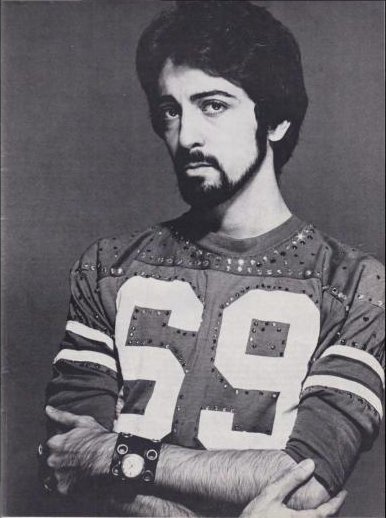
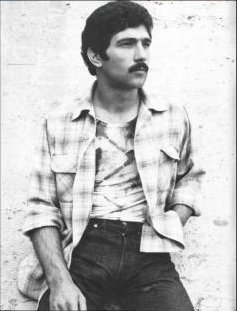
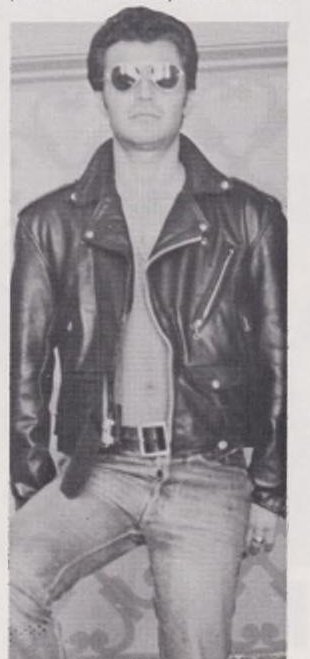
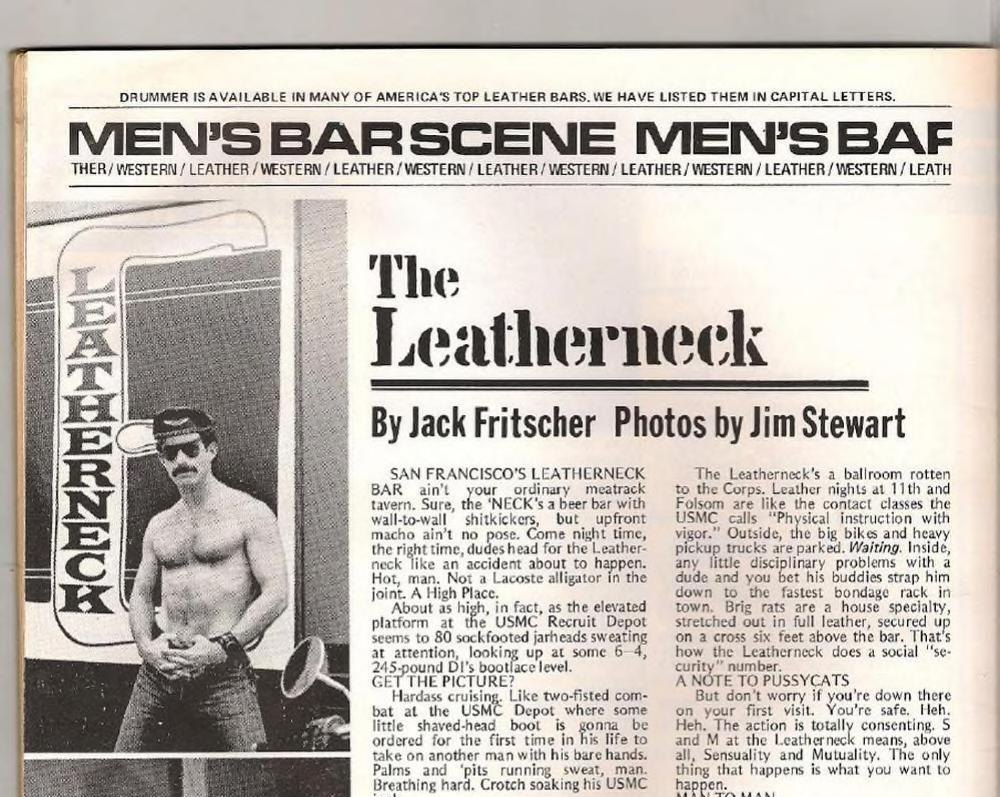
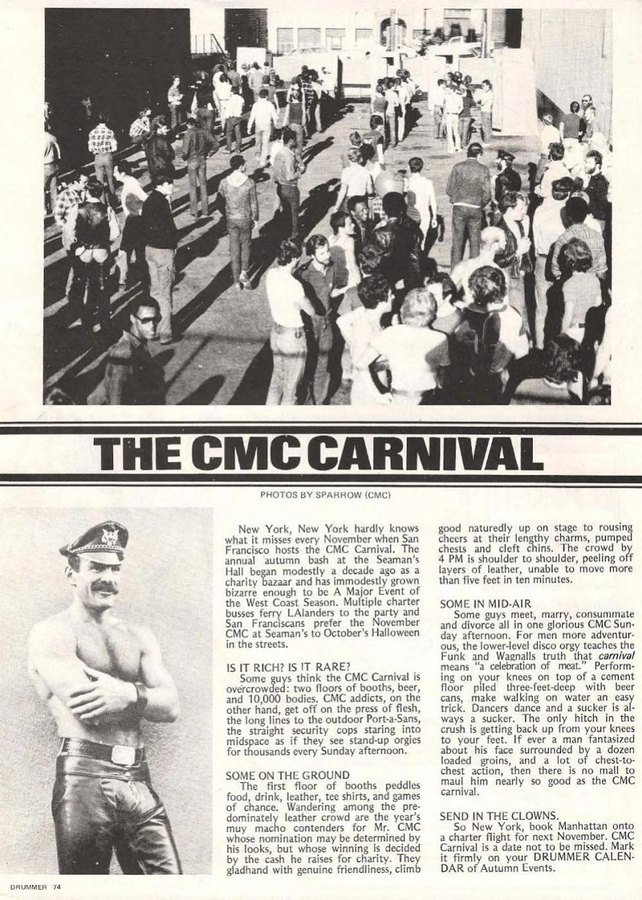
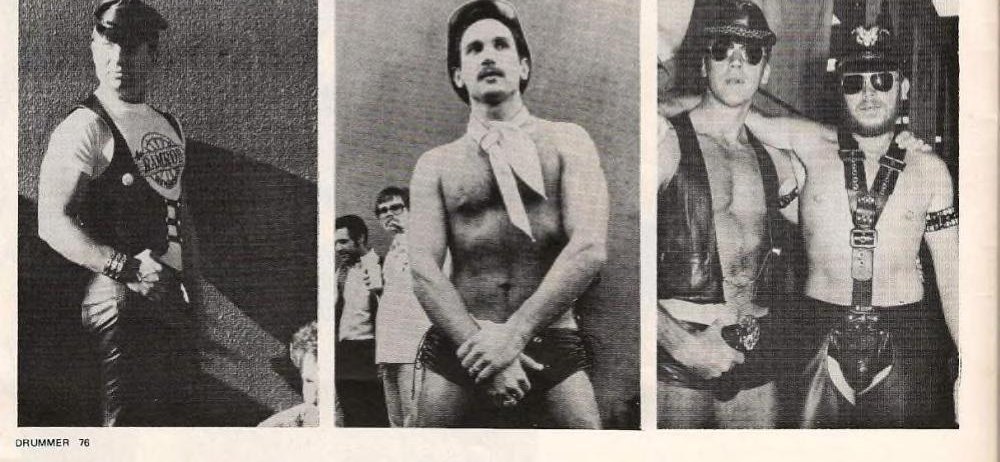
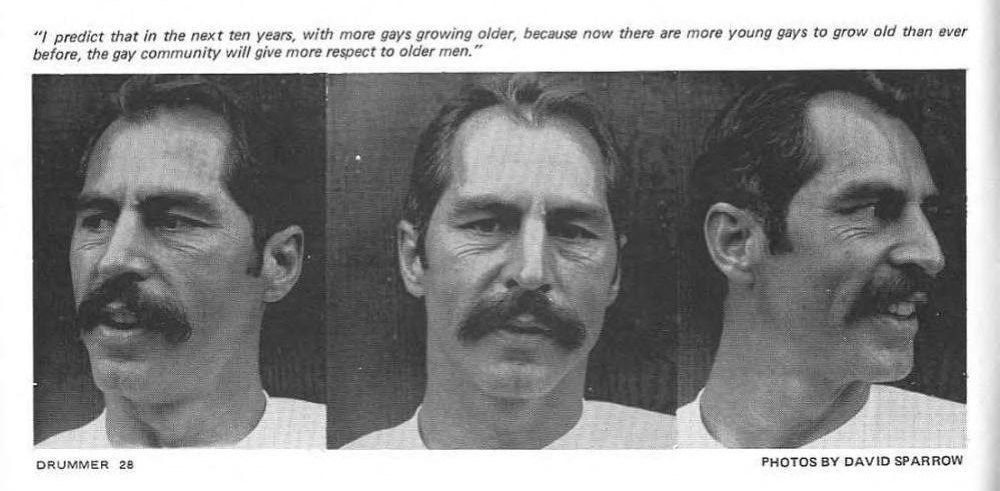
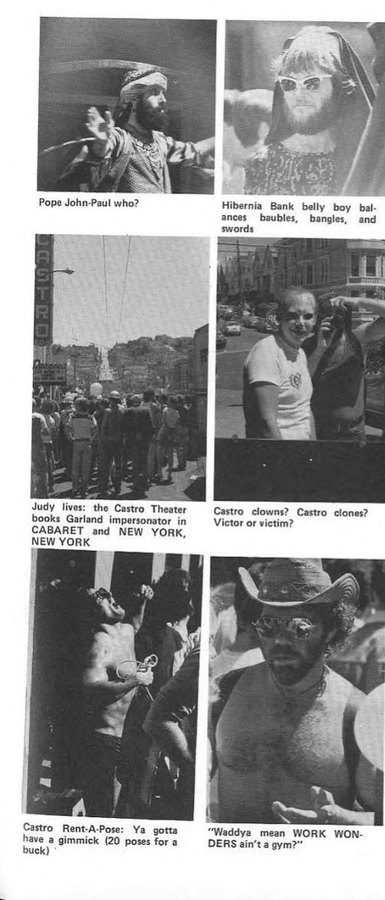
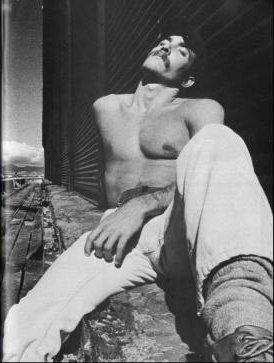
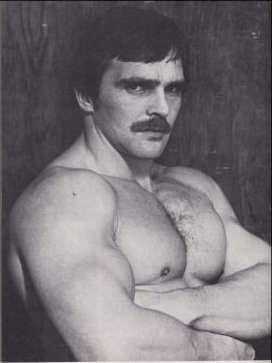
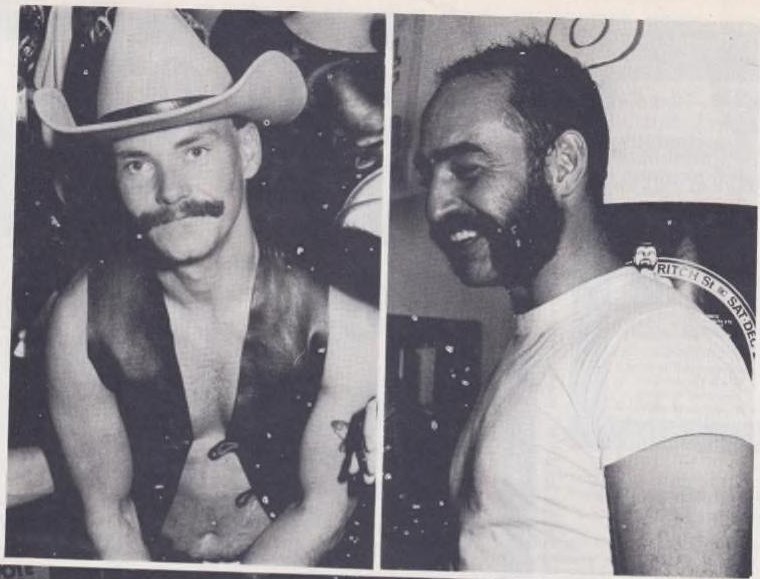
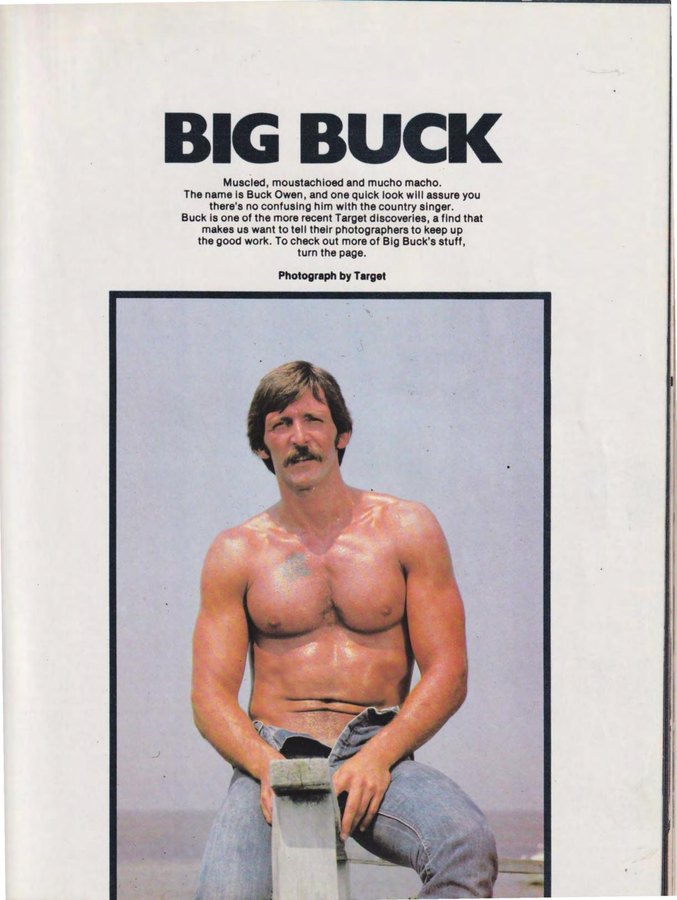
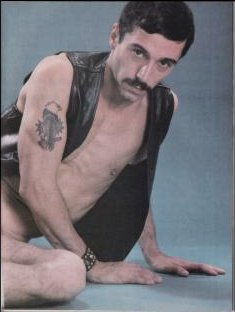
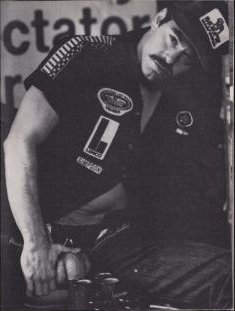
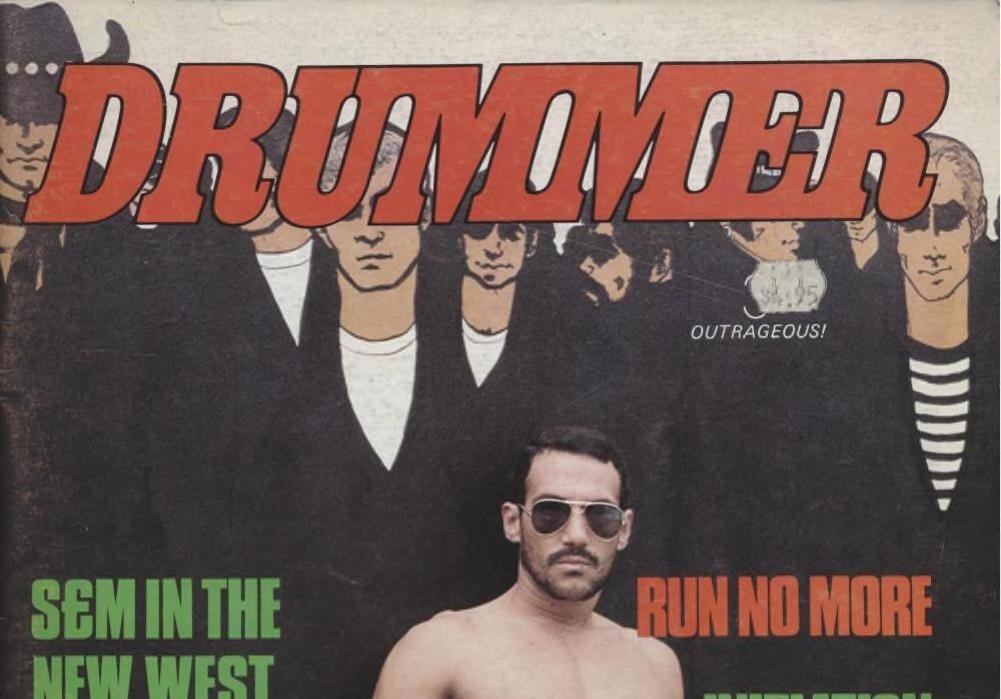
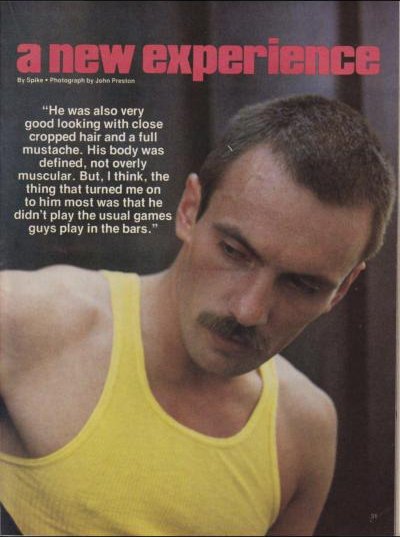
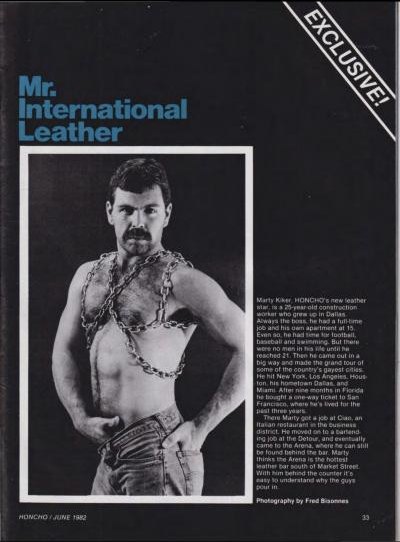
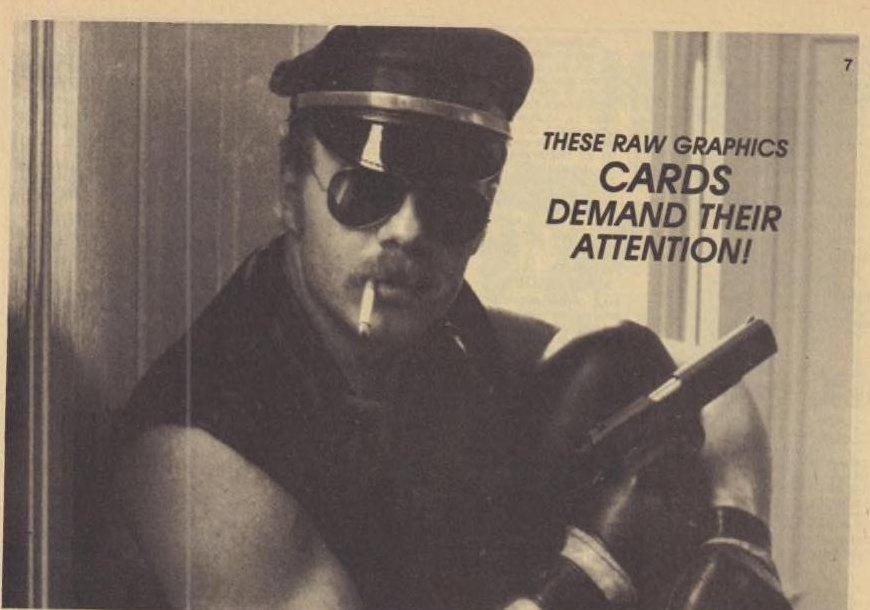
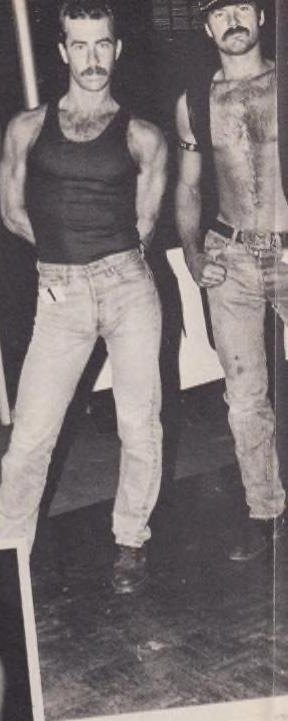
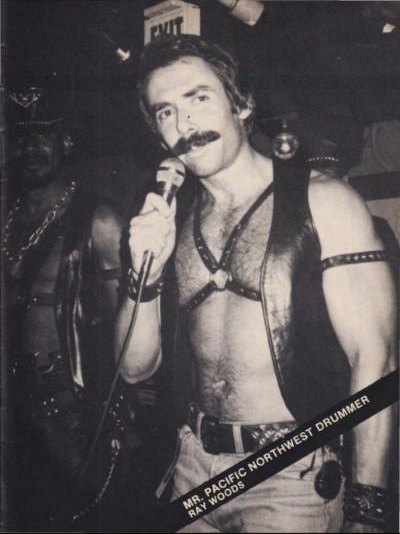
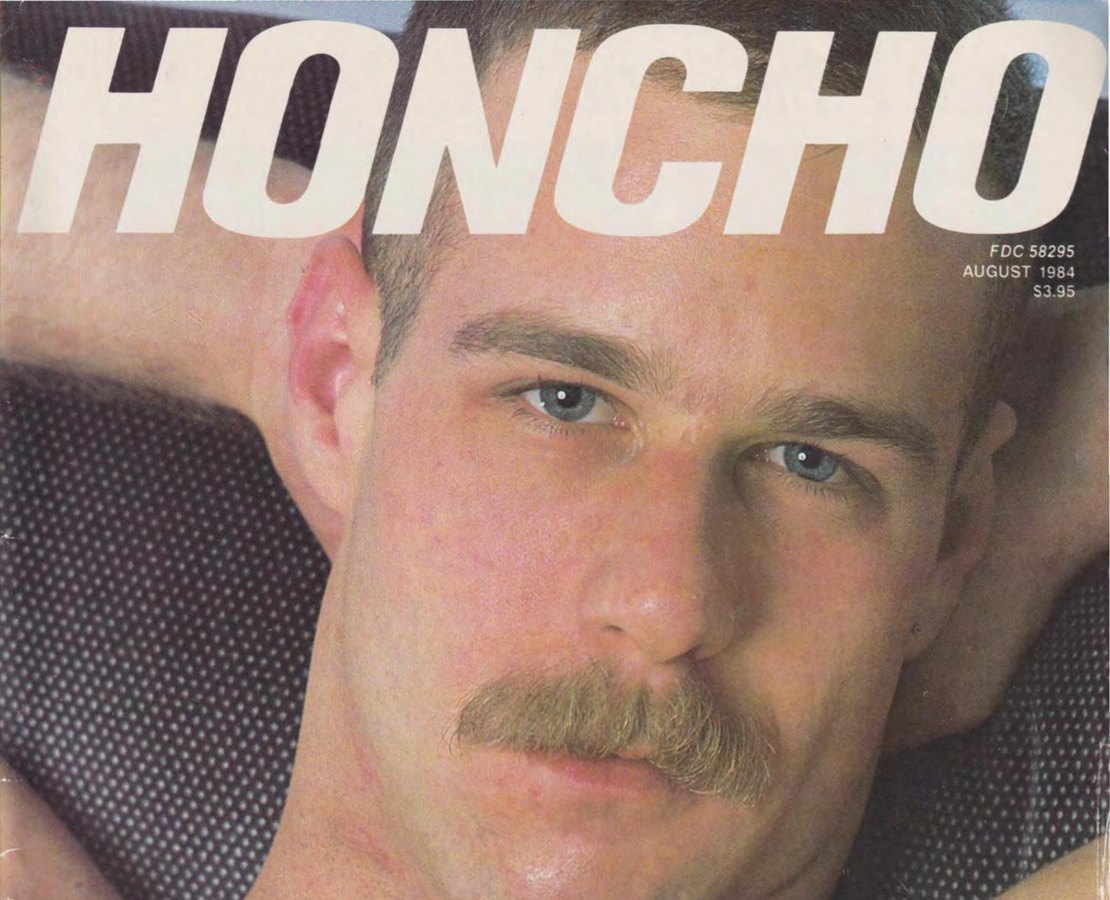
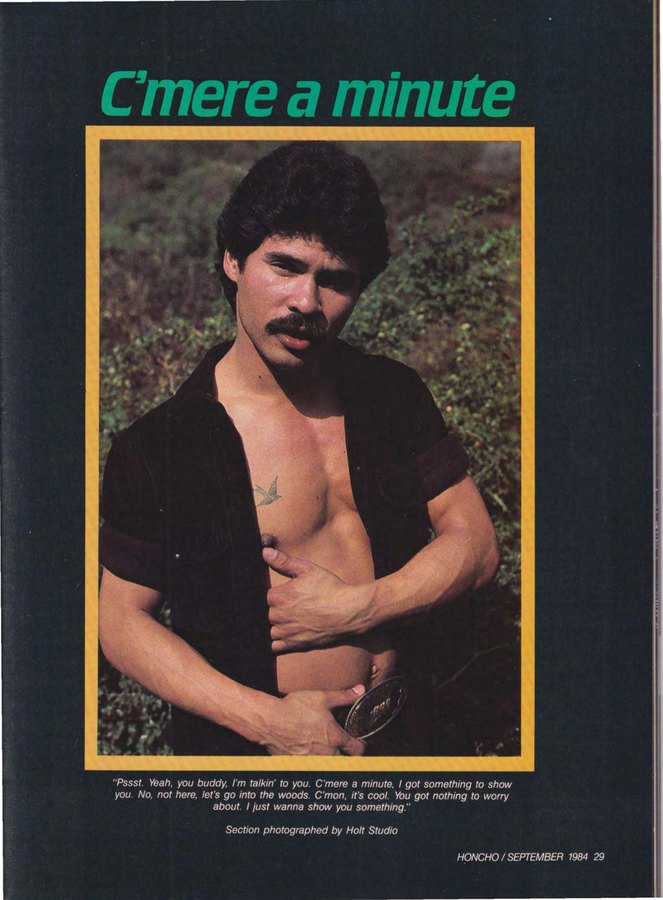
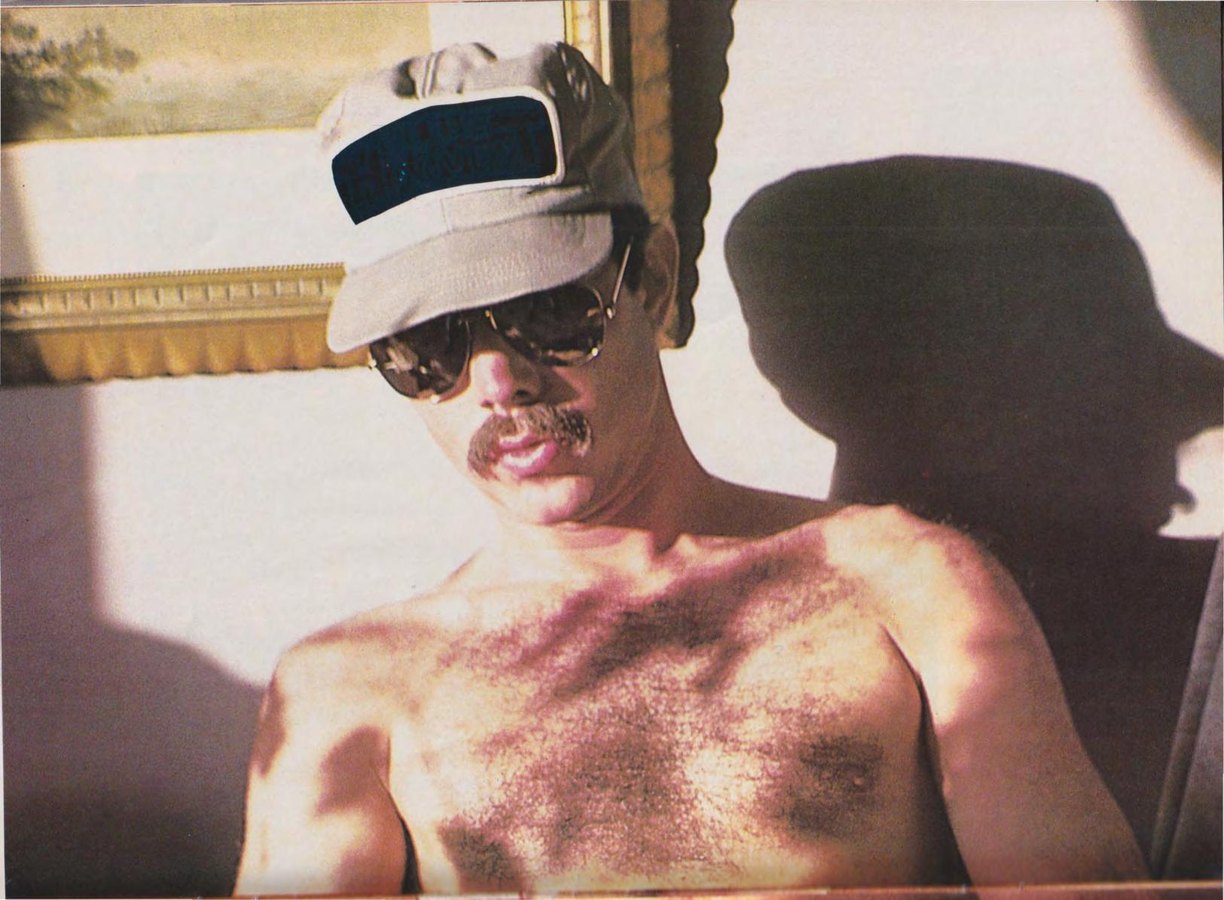
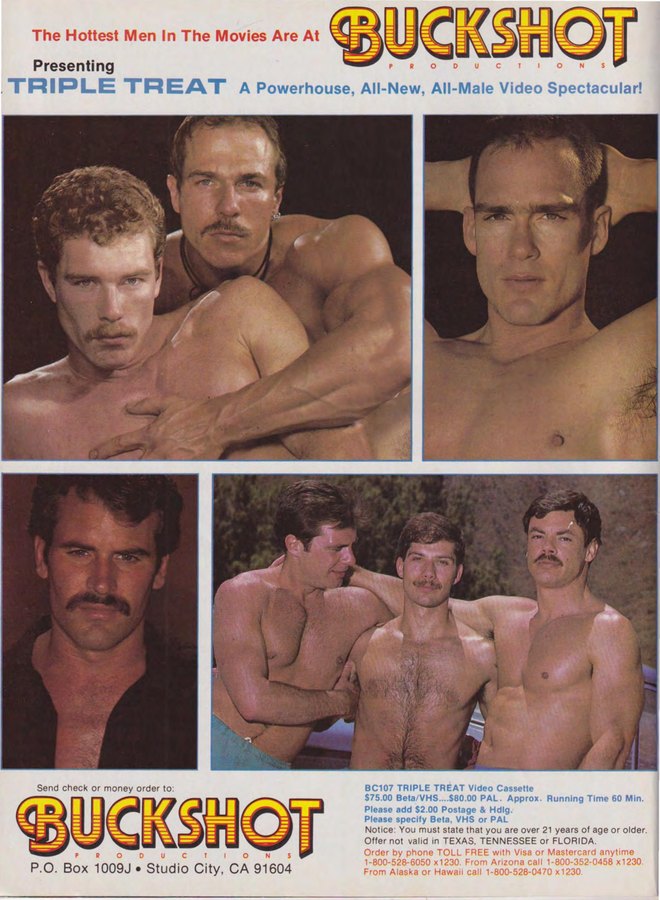
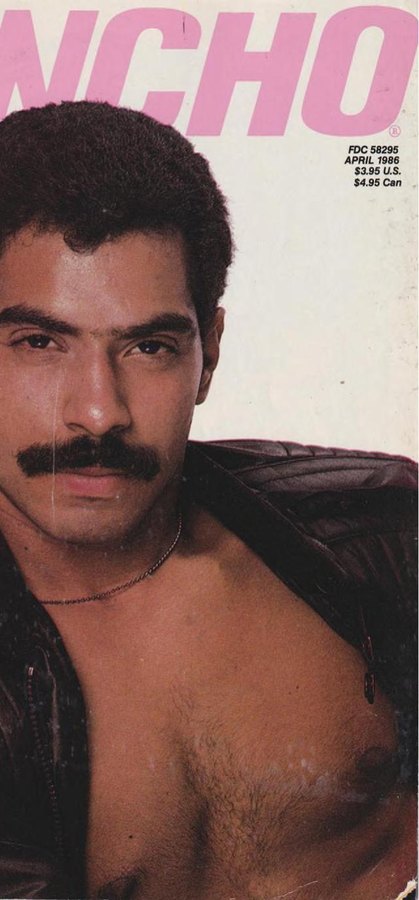
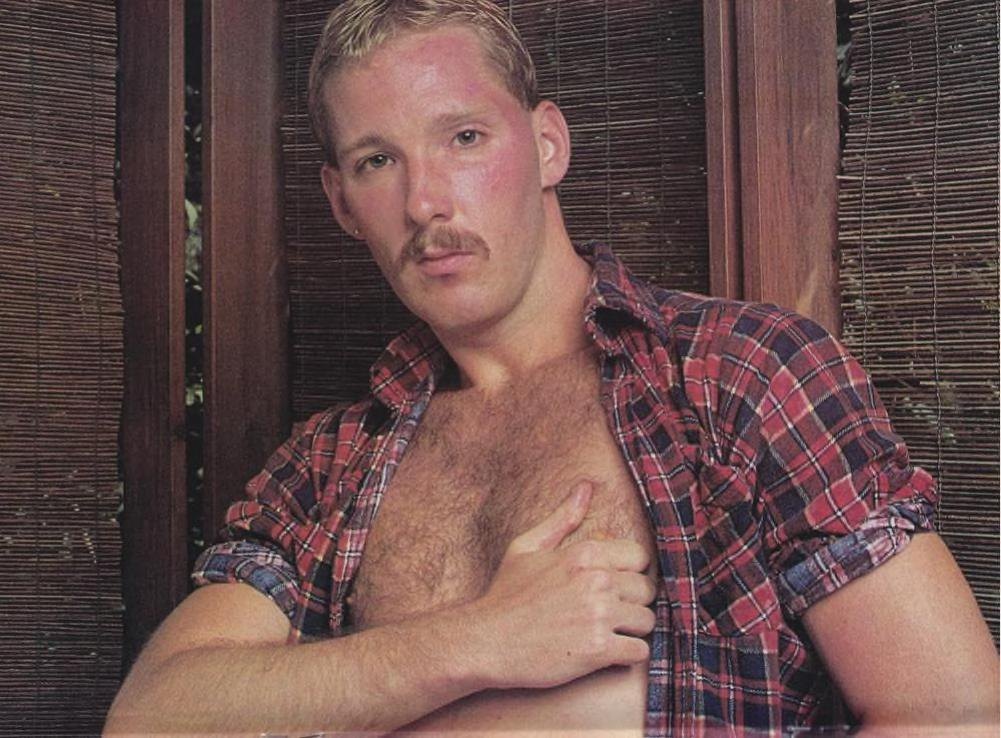
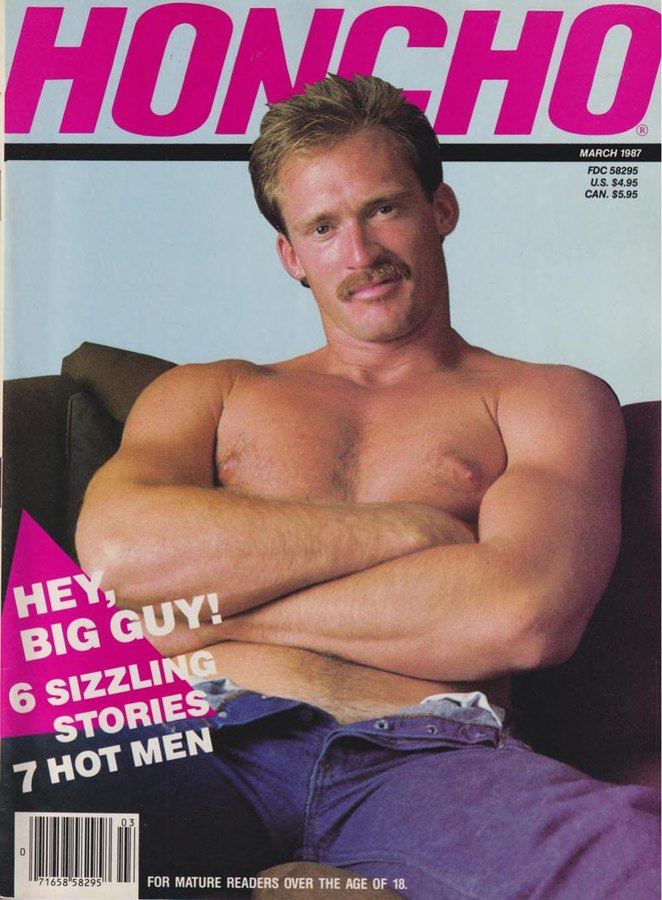
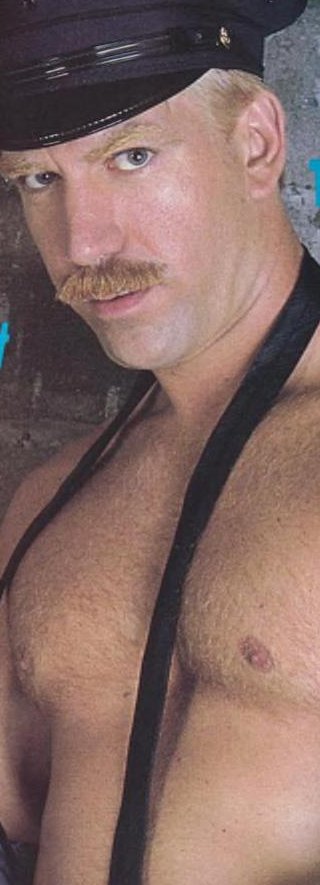
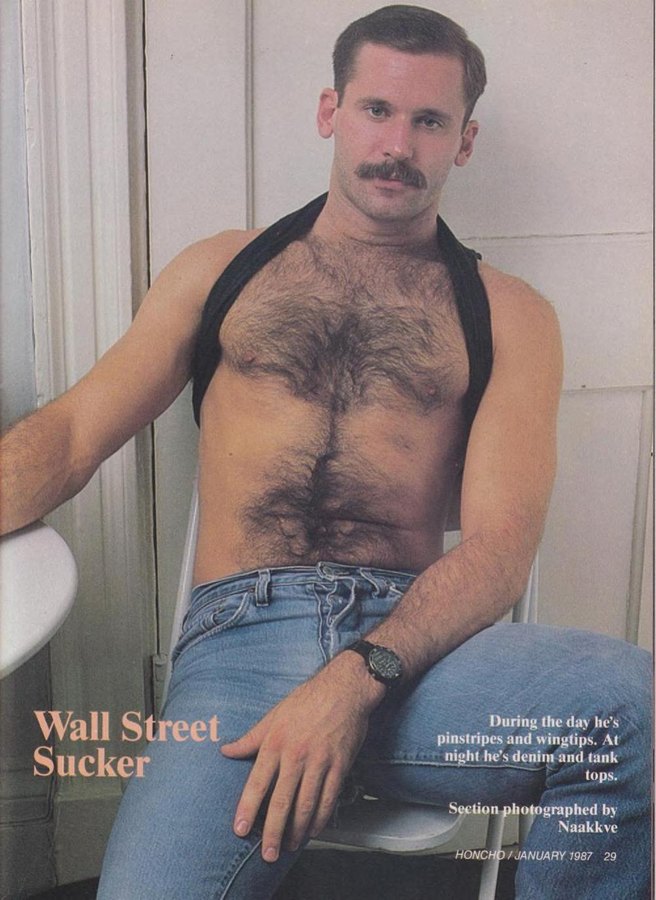
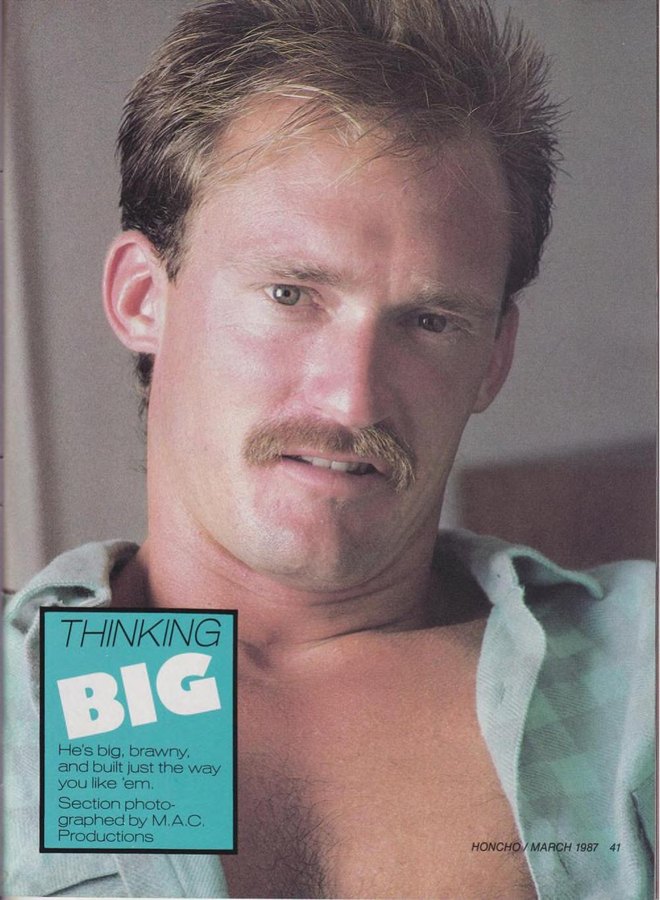
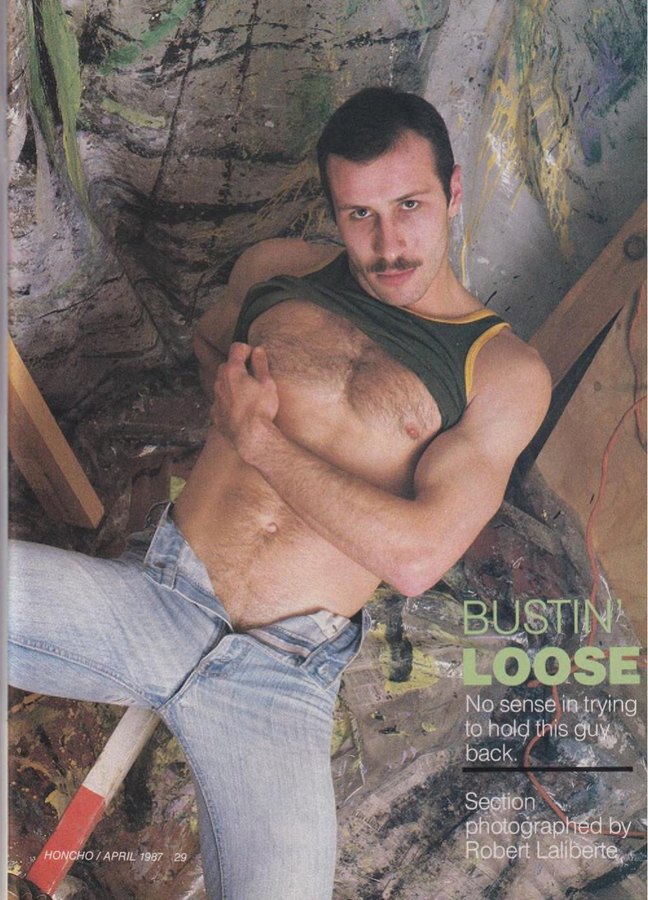
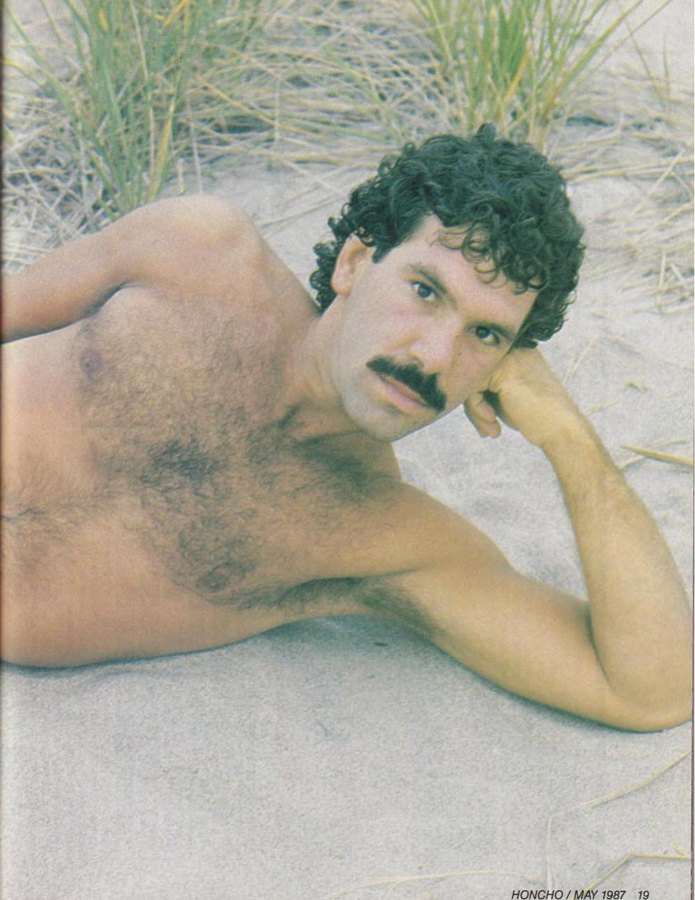
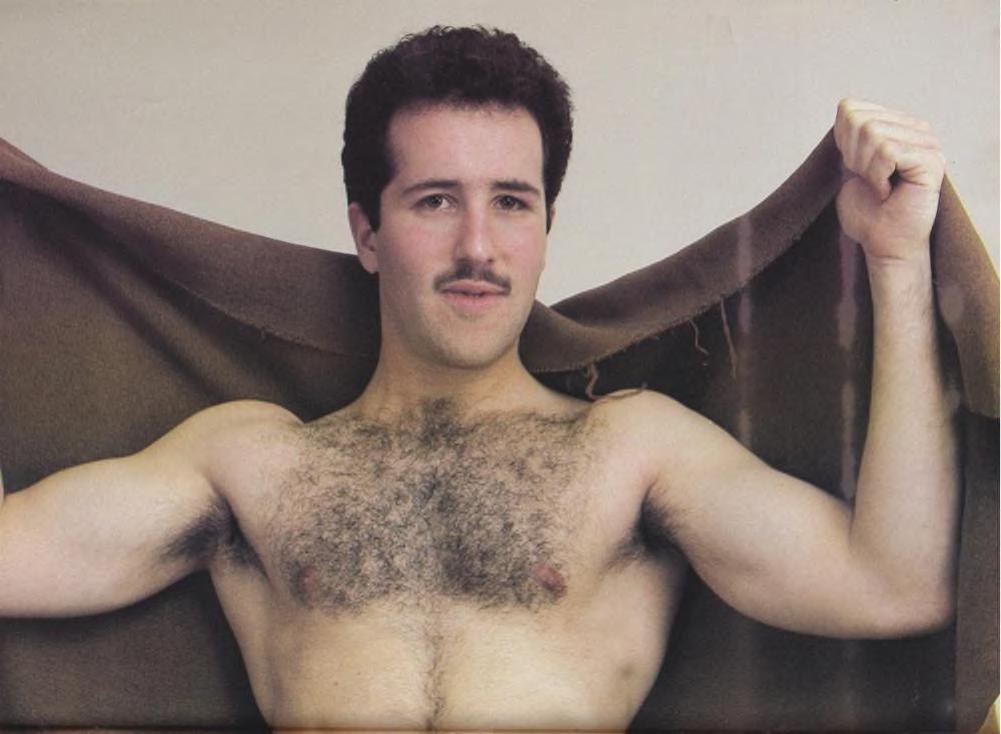
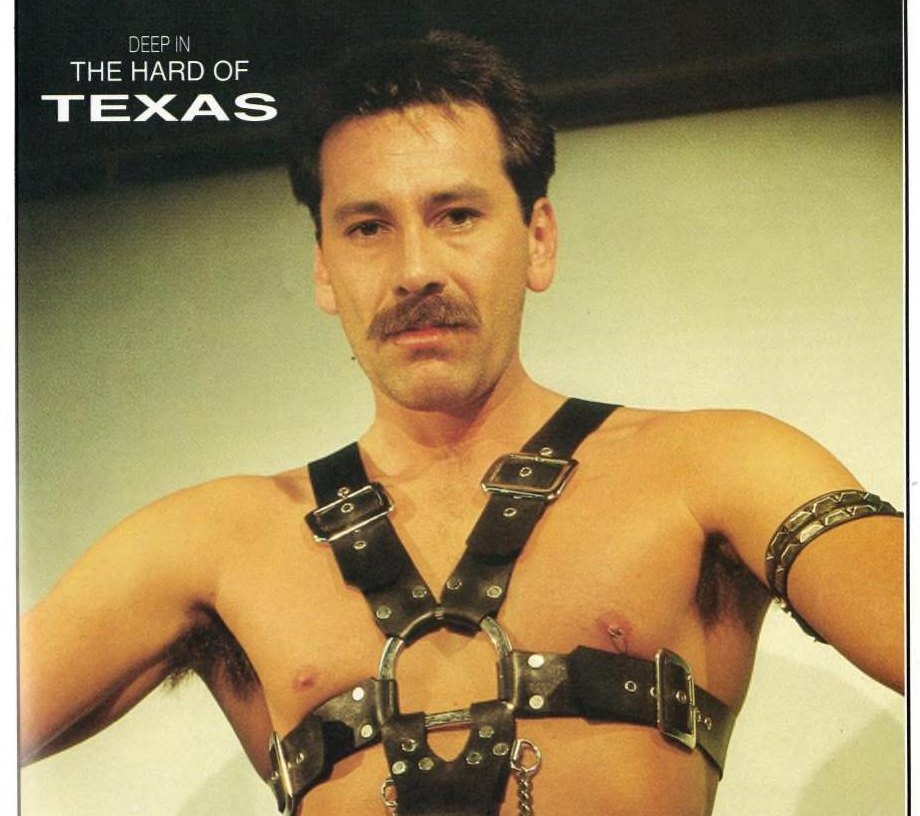
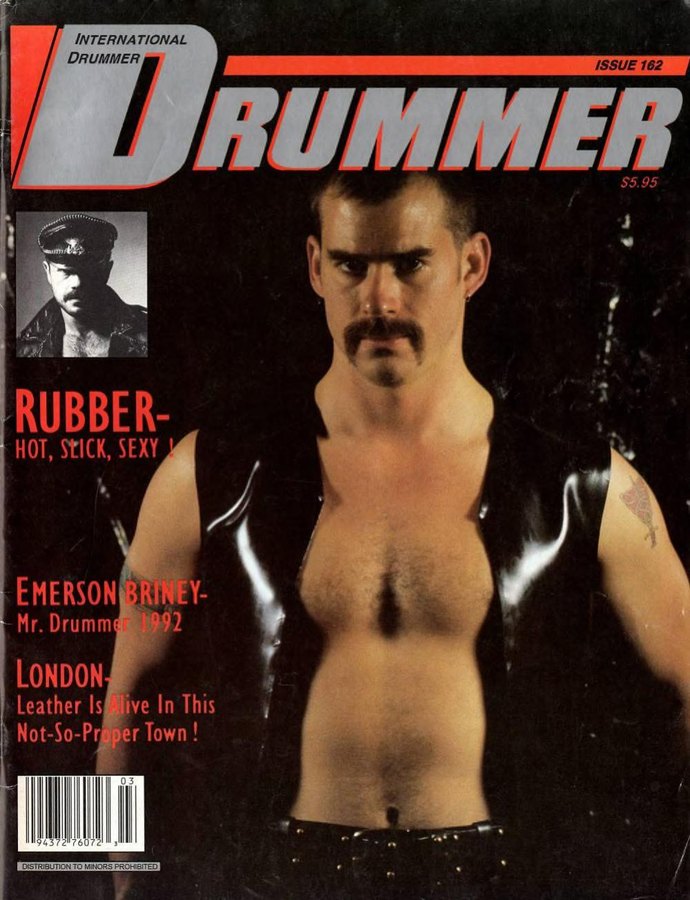
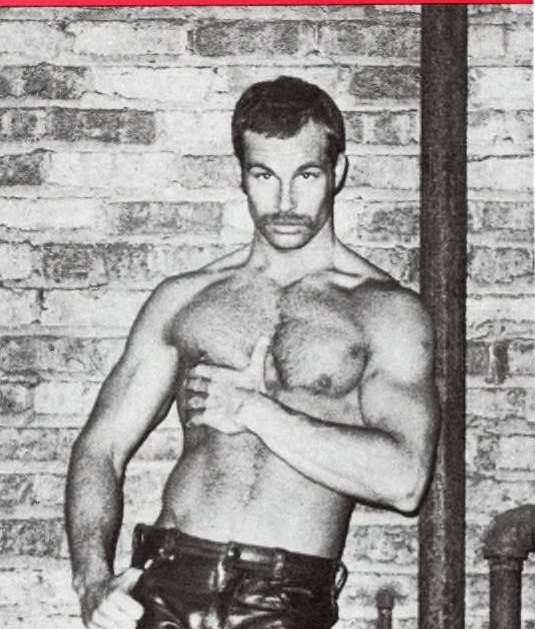
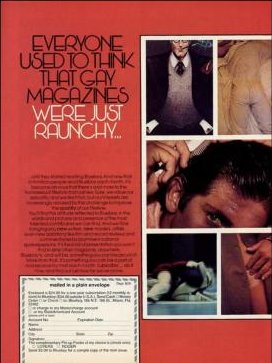
The Castro clone was the look gay men settled on in San Francisco's Castro district in the late 1970s: flannel or a tight white tee, Levi's, boots, a bomber jacket and a full mustache. The activist Arthur Evans named it in posters he wheatpasted around the neighborhood, and the sociologist Martin Levine later studied it in his book Gay Macho, reading the look as a way to throw back the old insult that gay men were failed men. The New York glossies ran on it: Mandate, Playguy and above all Honcho, whose covers from the late 1970s to 1988 are a parade of mustaches, chest hair and denim by photographers such as Kristen Bjorn and studios such as Colt and Catalina. Every clean clone plate below is credited to its issue and linked to its scan.
The handkerchief code (hanky code) is a system of colored bandanas worn in the left or right back pocket that gay men, especially in leather circles, used from the early 1970s to signal their interests, with origins credited to both San Francisco and New York.
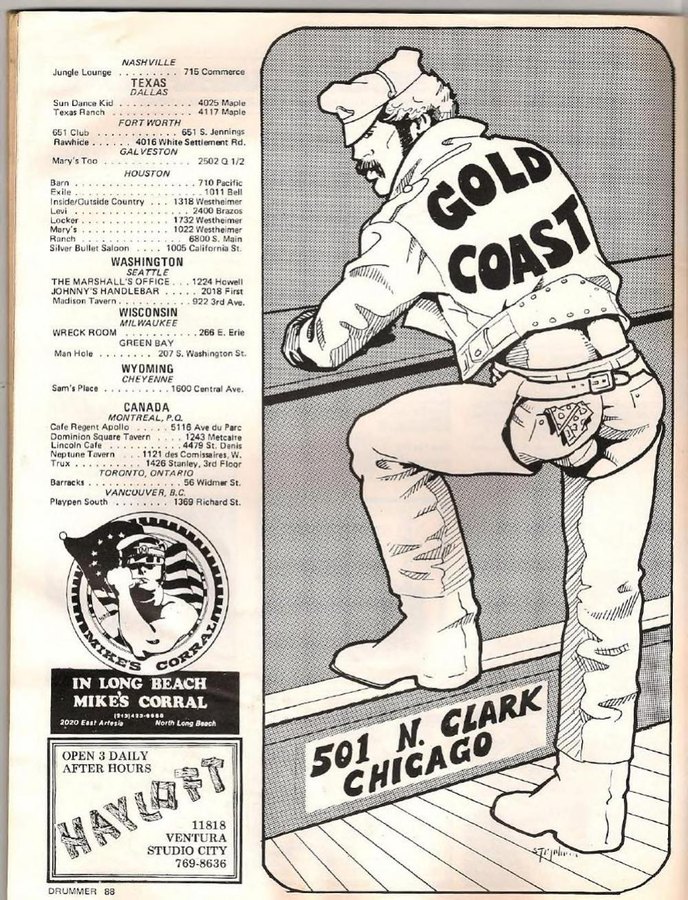
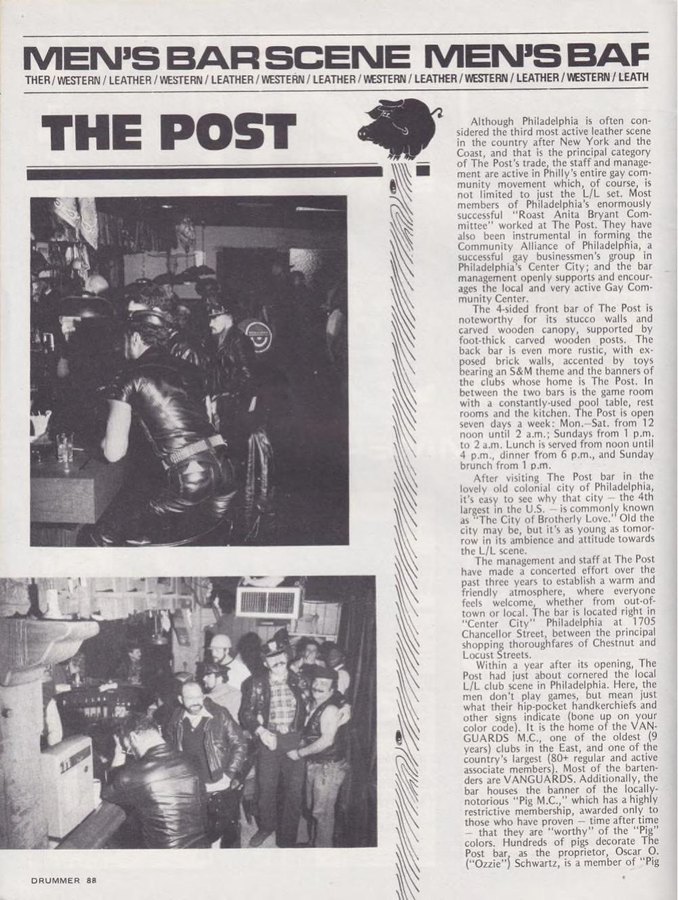
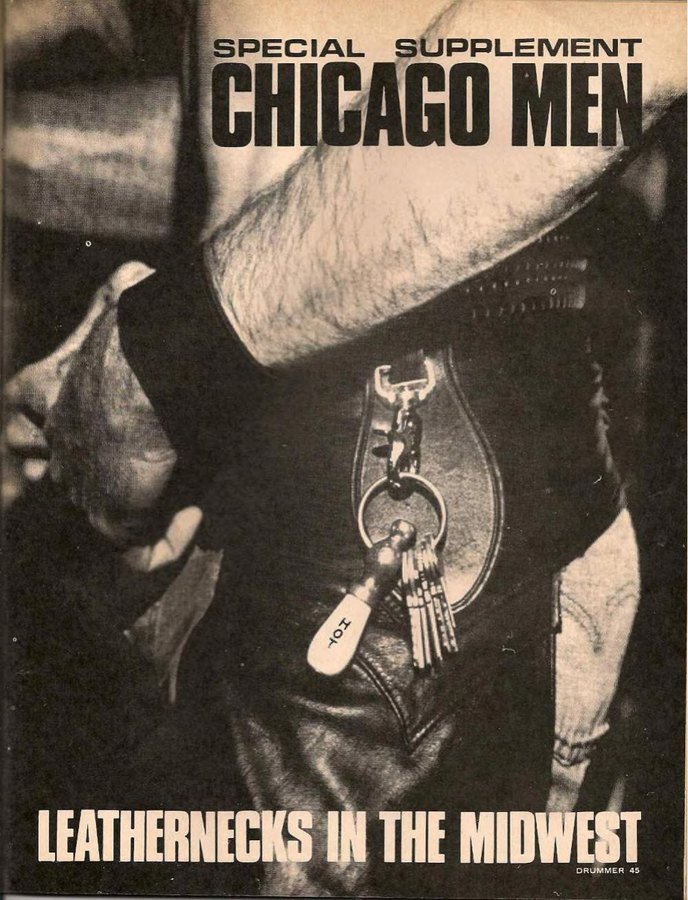
The handkerchief code is a way of signalling interests without speaking: a colored bandana in a back pocket, its color naming a preference and its side, left or right, indicating which role the wearer took. It grew out of an existing custom of wearing a ring of keys on the left or right to mean top or bottom. The code is closely tied to the leather scene: its best-known origin story begins in leather shops, and leather magazines printed its charts. Early charts listed about a dozen colors, but the Leather Archives and Museum says most people used six to eight.
- Also called
- Hanky code, bandana code
- Emerged
- Early 1970s, San Francisco and New York
- Credited to
- Alan Selby (Mr. S Leather) with Ron Ernst and Pat O'Brien of Leather 'n' Things, 1972 (disputed)
- Early printed charts
- Village Voice (early 1970s); Drummer (1977)
- Colors listed
- About a dozen in early charts; 71 colors and objects by 1993











Quick answers
What is a Castro clone? The nickname for the masculine look many gay men adopted in San Francisco's Castro district in the late 1970s: flannel or a white tee, Levi's, boots and a full mustache.
Who coined the term clone? The activist Arthur Evans used it in posters he put up around the Castro. The sociologist Martin Levine later wrote the study Gay Macho about the look.
Which magazines featured the clone look? New York monthlies such as Mandate, Playguy and Honcho, all from George Mavety's company, plus Drummer and studio annuals from Colt and Falcon.
Read more