Boxing
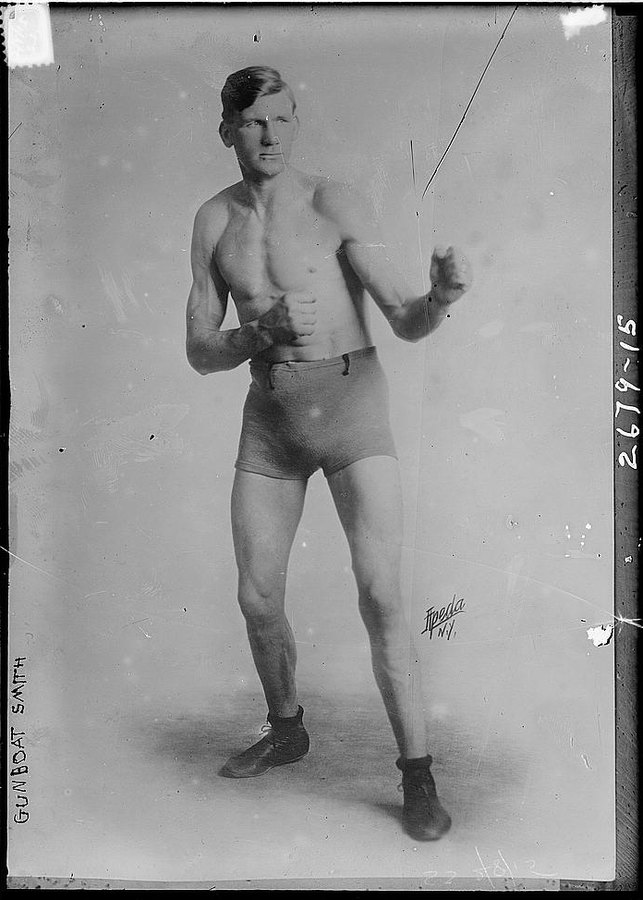
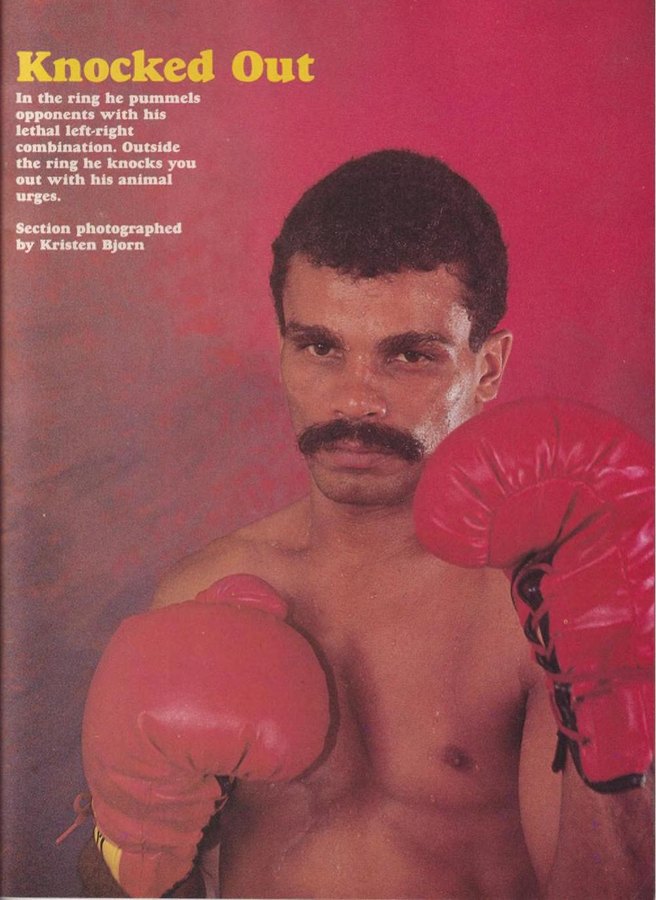
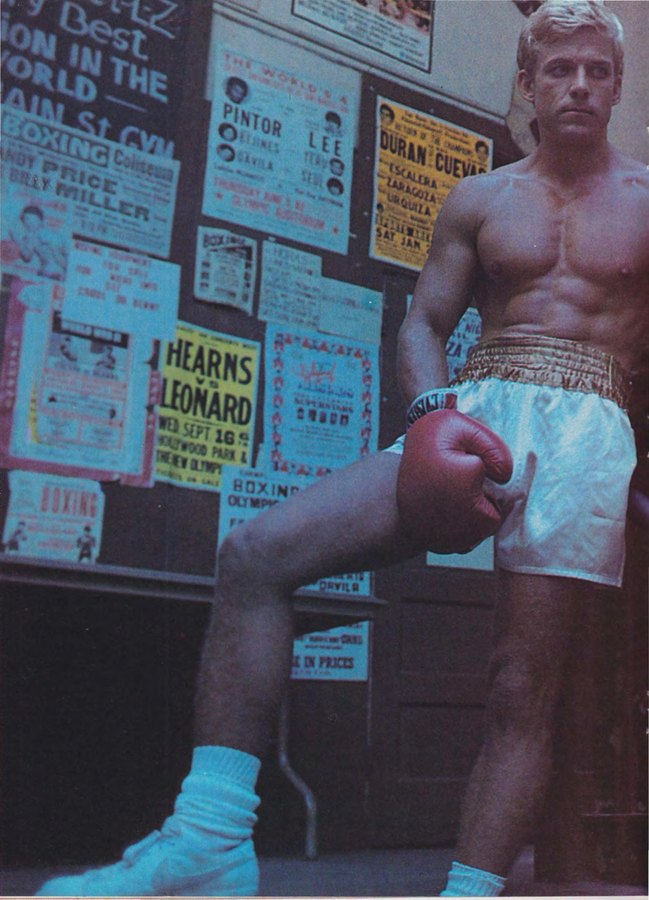
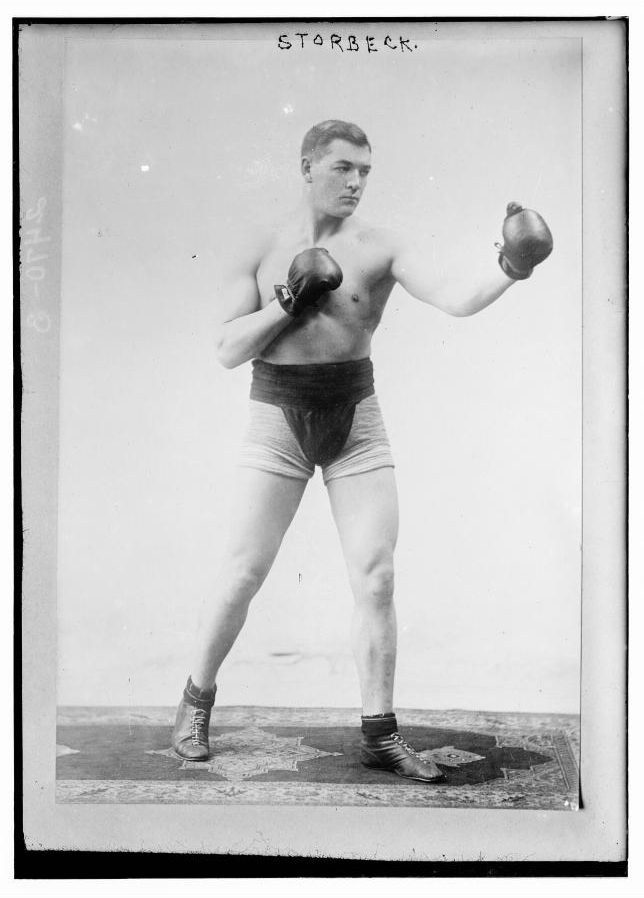
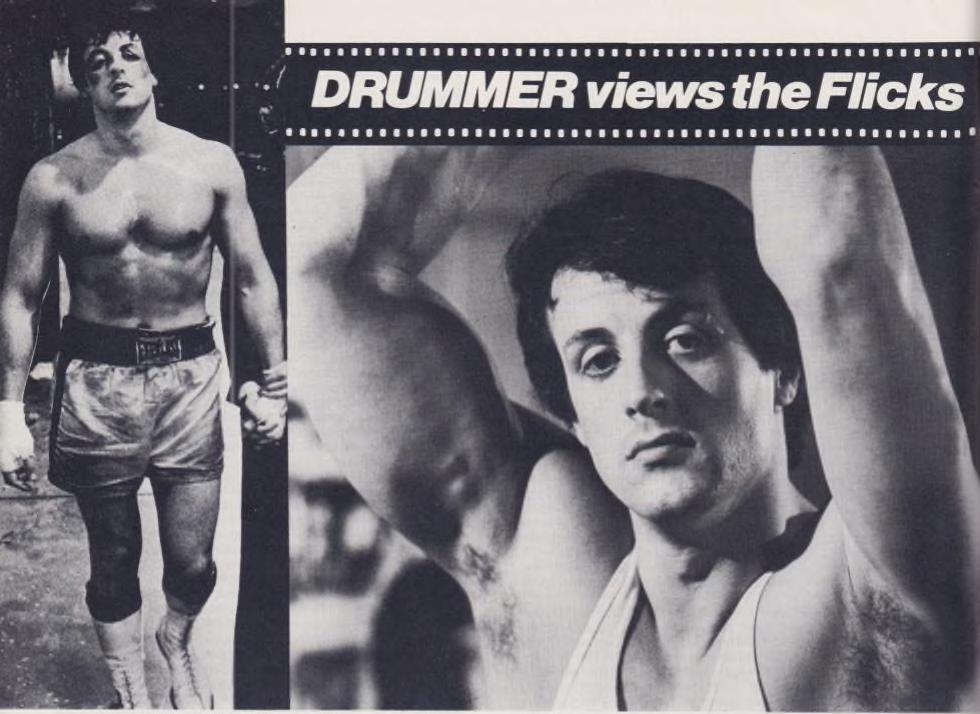
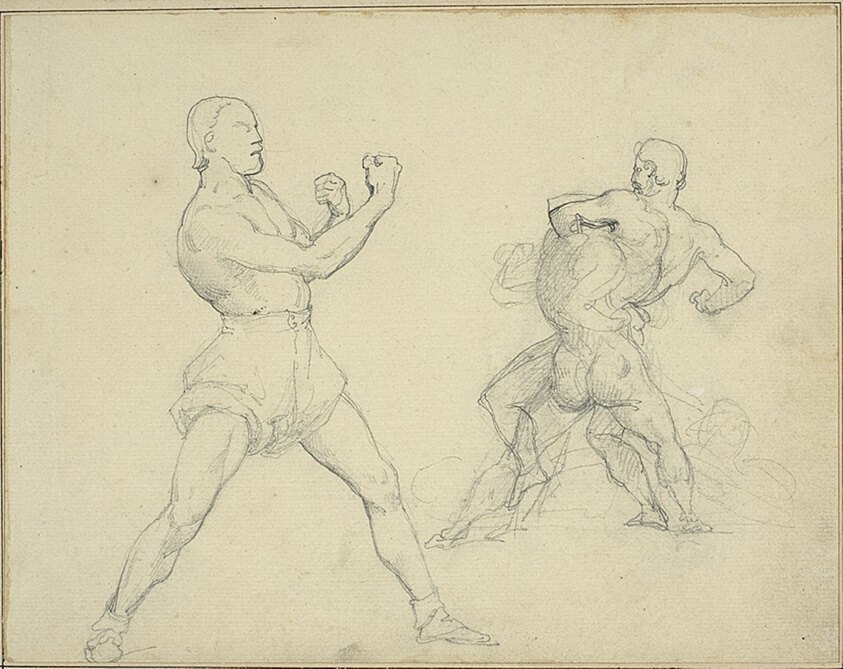
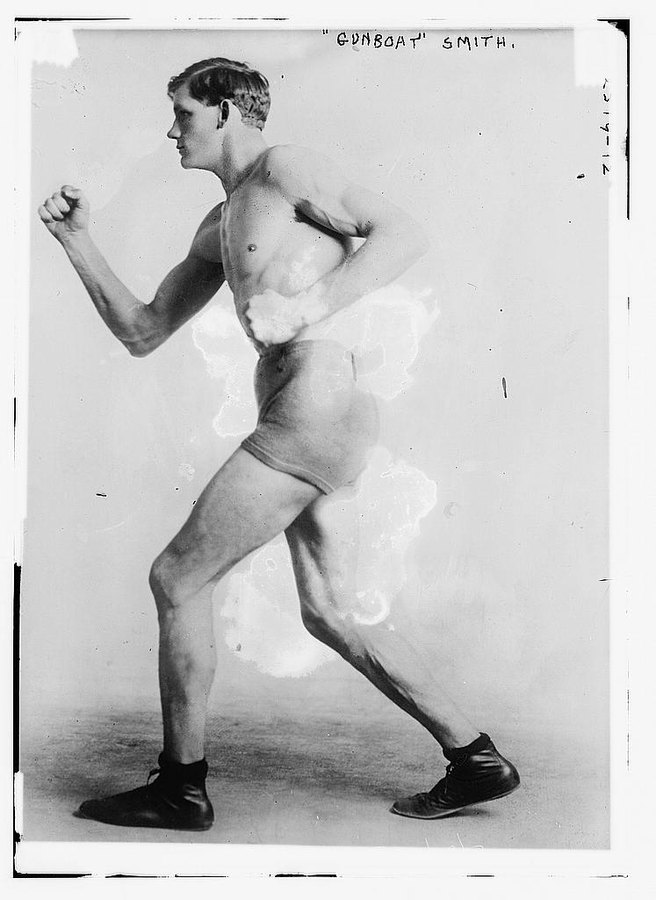
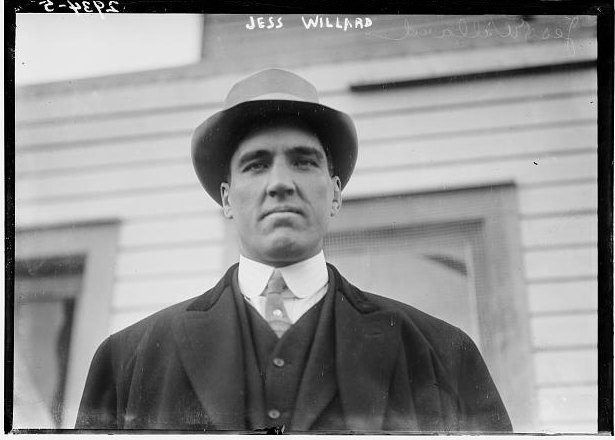
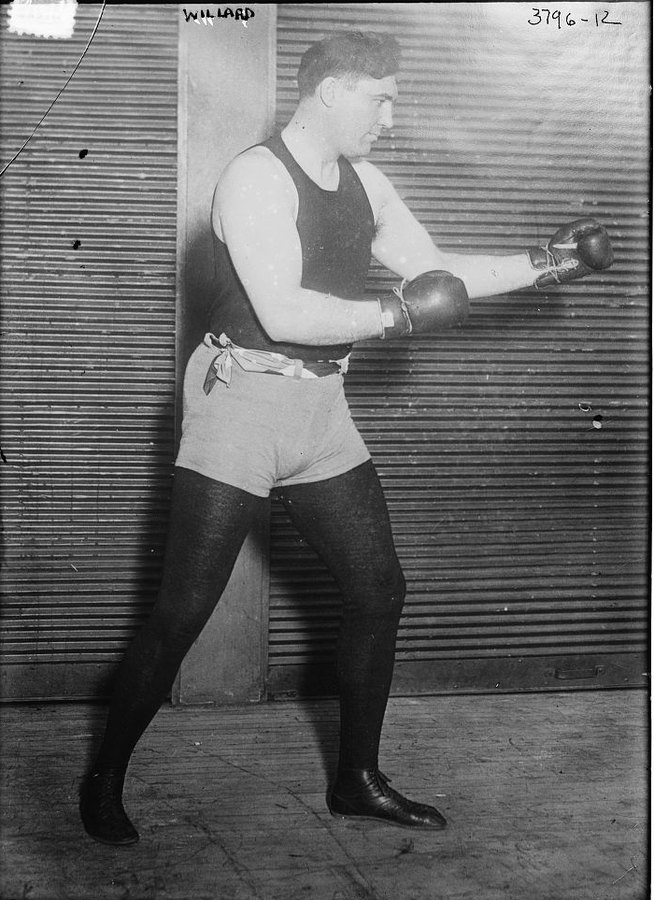
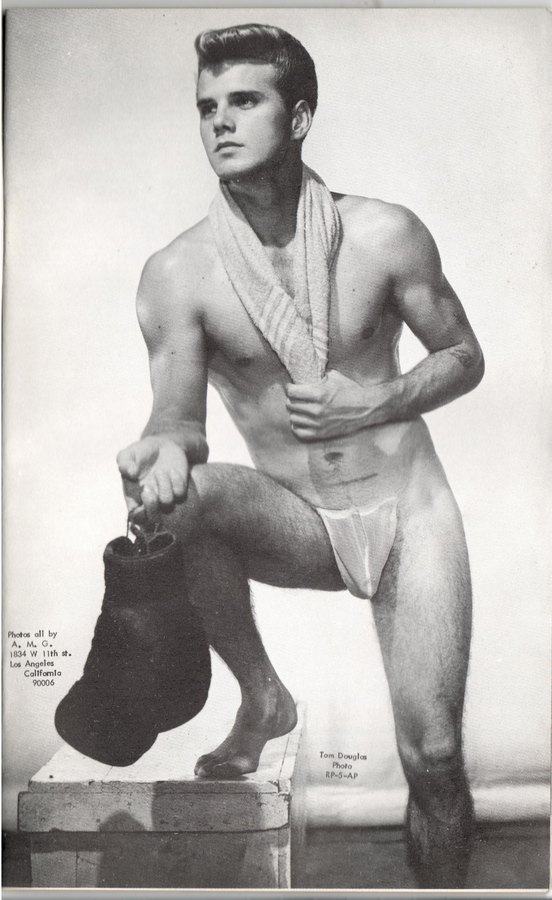
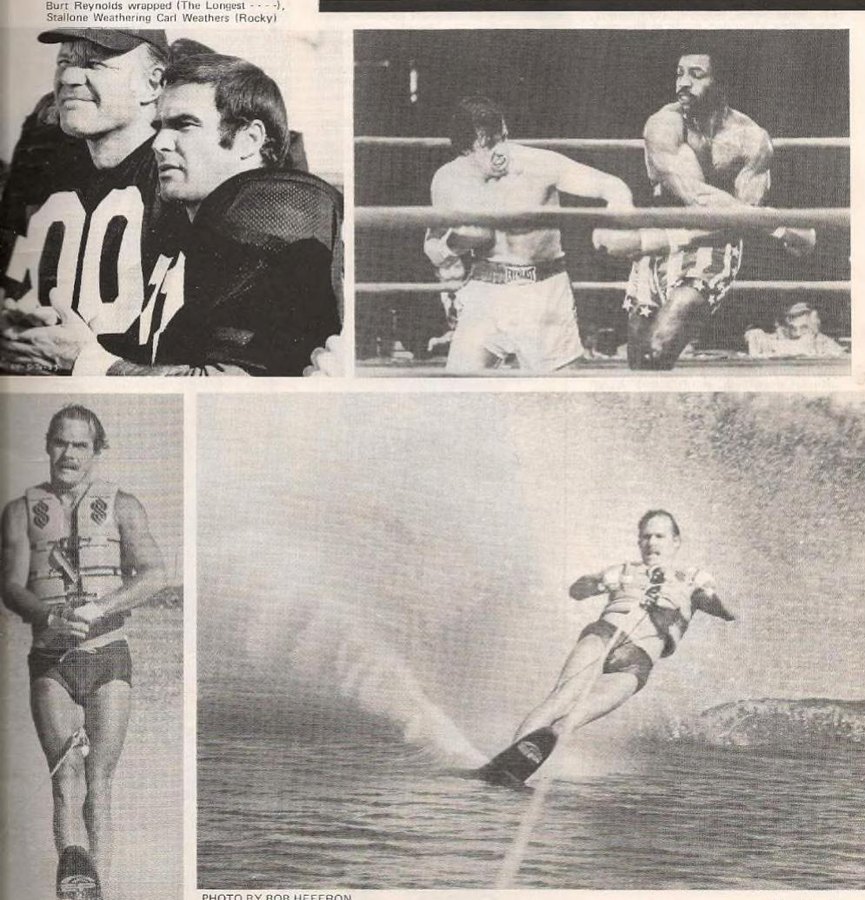
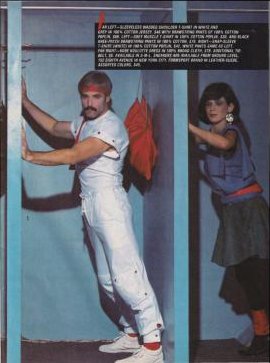
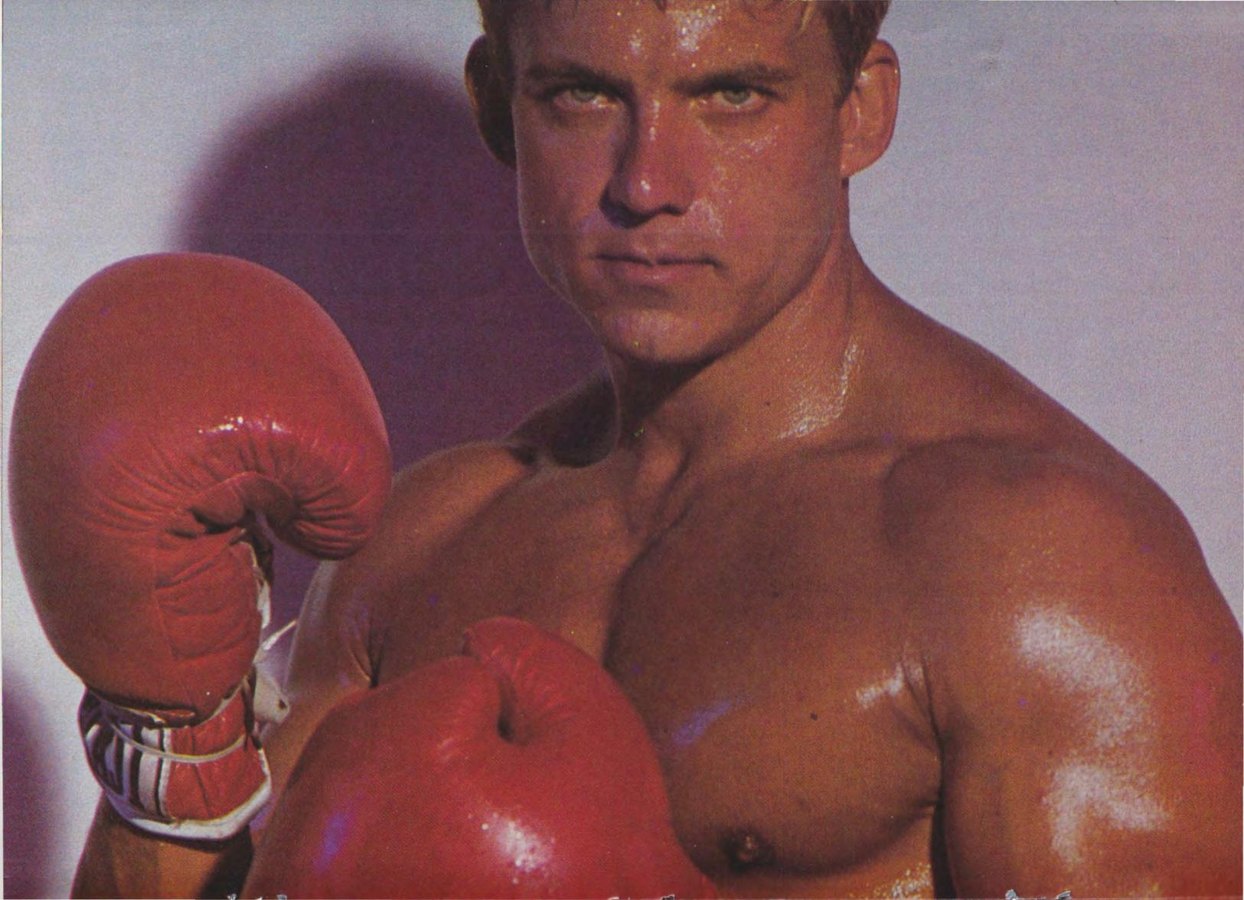
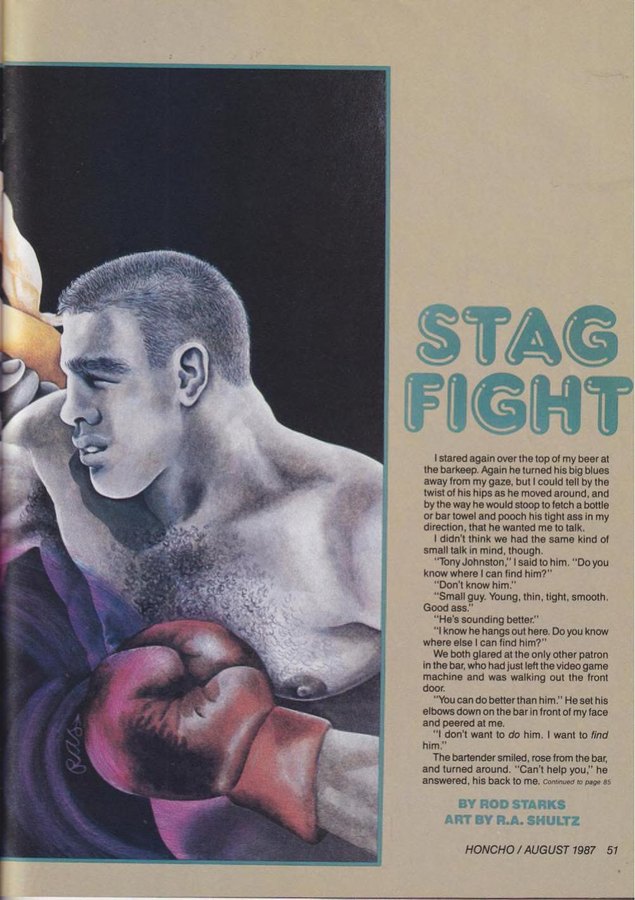
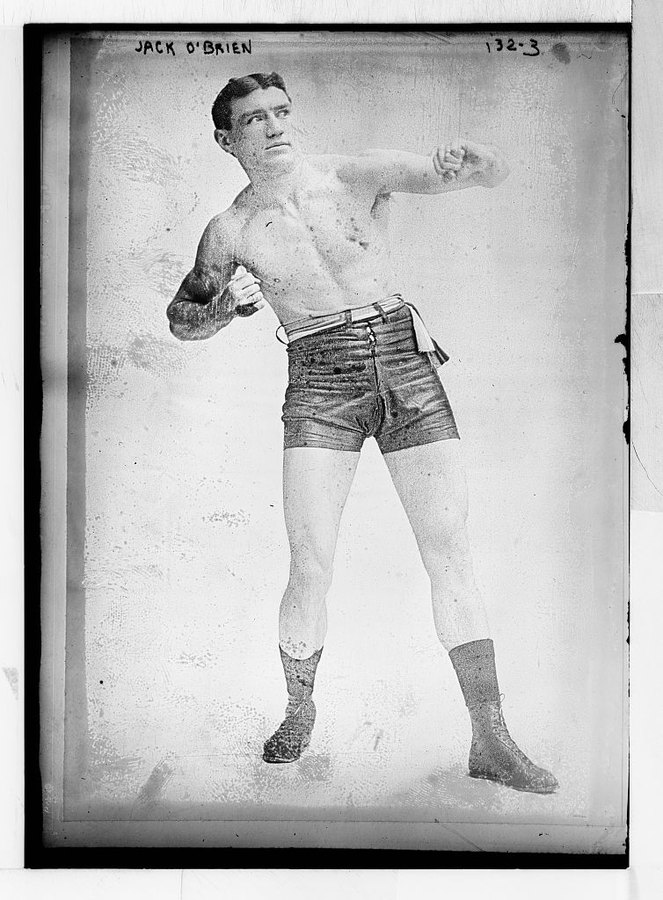
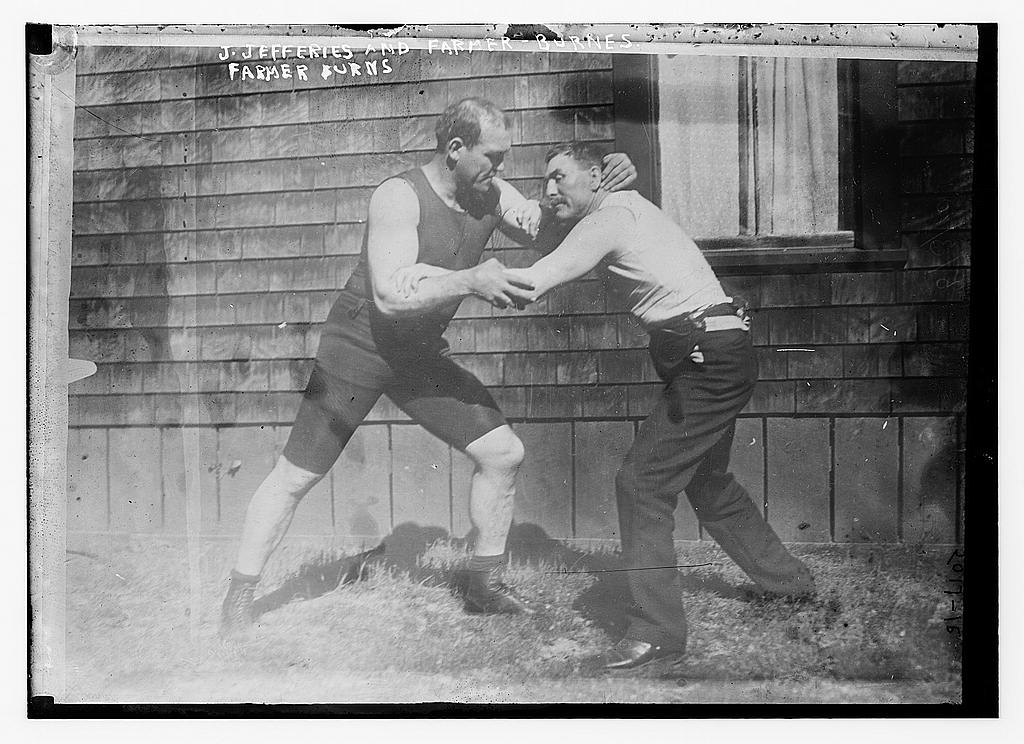
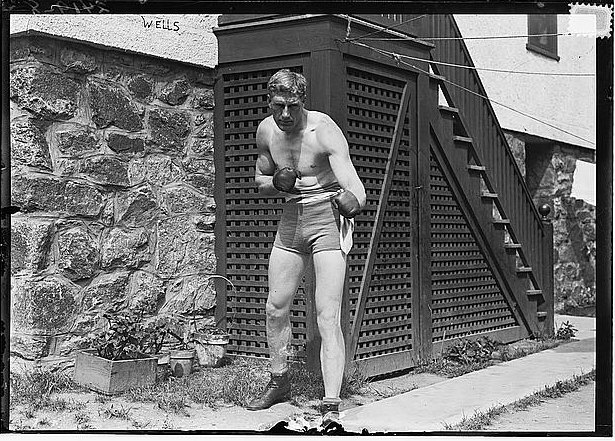
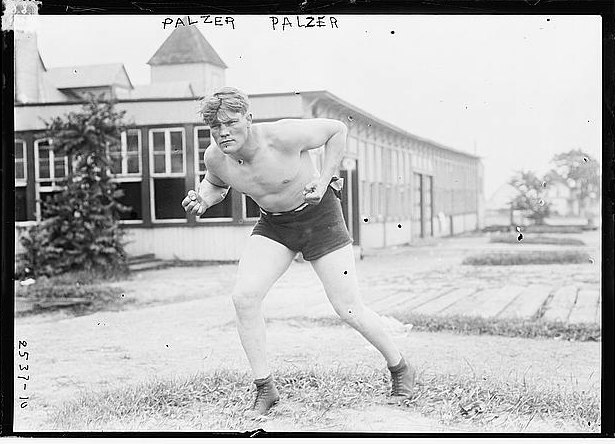
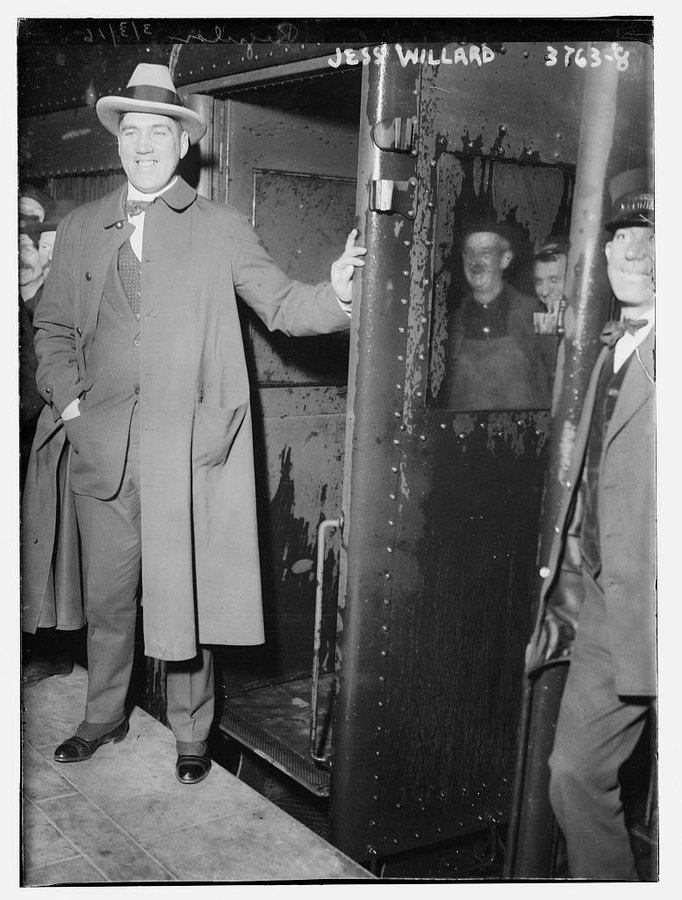
Vintage boxing photographs show the heavyweights of the 1910s the way the press first saw them: shirtless, in trunks and high boxing boots, squaring up for the camera. Most of the pictures here are glass negatives from the Bain News Service, George Grantham Bain's New York photo agency, now in the Library of Congress with no known restrictions. They include Jess Willard sparring in 1915 and in an overcoat and fedora off duty, the English champion Bombardier Billy Wells training in Rye, New York, in 1912, and Edward "Gunboat" Smith (1887-1974), a former Navy boxer who won the so-called World White Heavyweight Championship on January 1, 1914. Earlier still is a graphite sketch of a boxer and two wrestlers by Theodore Gericault, 1818-19, at the Art Institute of Chicago. Later plates carry the look into physique photography (an Athletic Model Guild model with a glove in Physique Pictorial, 1968) and the gay glossies: Drummer's 1977 coverage of Rocky, taped hands and satin trunks in Honcho in 1979, and the 'Knockout!' section photographed by Loren for Honcho's May 1984 anniversary issue, with Eric Stryker in red gloves in front of a wall of fight posters.


_Storbeck_LCCN2014691152.jpg)


Quick answers
Who was Gunboat Smith? Edward "Gunboat" Smith (1887-1974) was an American heavyweight from Philadelphia who boxed in the Navy before turning pro. He beat Arthur Pelkey on January 1, 1914, for the World White Heavyweight Championship, a title promoters created because the world champion, Jack Johnson, was Black, and lost it to Georges Carpentier in London that July.
Did Gunboat Smith fight Jess Willard and Jack Dempsey? Yes. Smith beat Jess Willard on a 20-round decision in San Francisco on May 20, 1913, and knocked out Bombardier Billy Wells at Madison Square Garden that March. He lost twice to Jack Dempsey, on a decision in 1917 and by knockout in 1918.
Where do these old boxing photos come from? Most come from the Bain News Service glass negatives in the George Grantham Bain Collection at the Library of Congress, which lists them with no known restrictions on publication.
What did Gunboat Smith do after boxing? He refereed major fights, including the 1932 Schmeling-Sharkey rematch, and played small parts in silent films such as Wings (1927) and The Great Gatsby (1926).
Why did gay magazines use boxing imagery? Boxing gave photographers a ready set of props and poses: gloves, satin trunks, taped hands and gym walls. Honcho ran boxing photo sections in 1979 and May 1984, and Drummer reviewed Rocky in 1977.