Etsy shoppers search "bear art" about 4,400 times a month, and a good share of them are not looking for a grizzly. The gay bear is now one of the biggest tribes in queer life, but the word is younger than most people think, and the look is older.
The hairy chest was always there
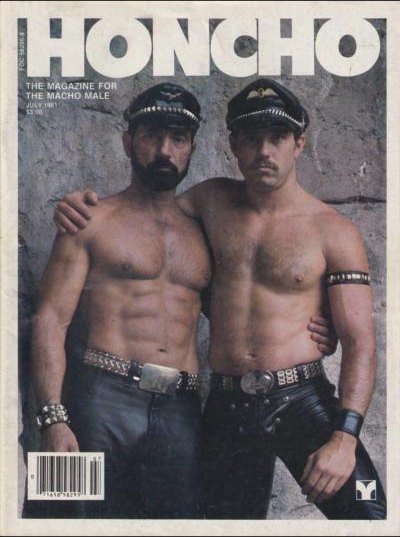
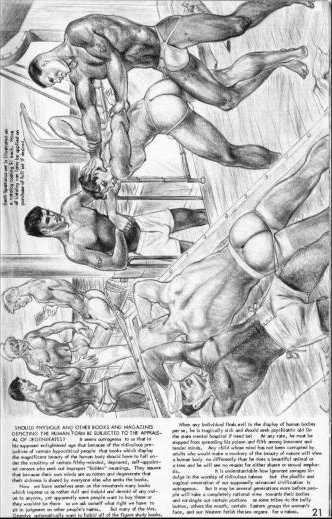
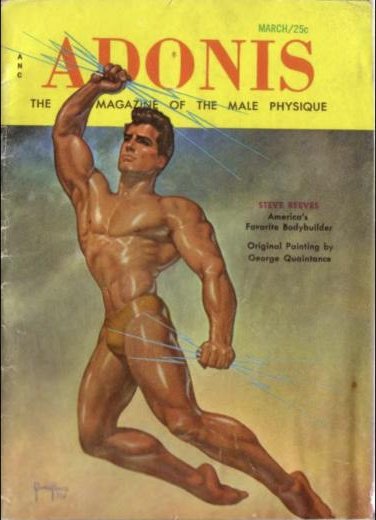
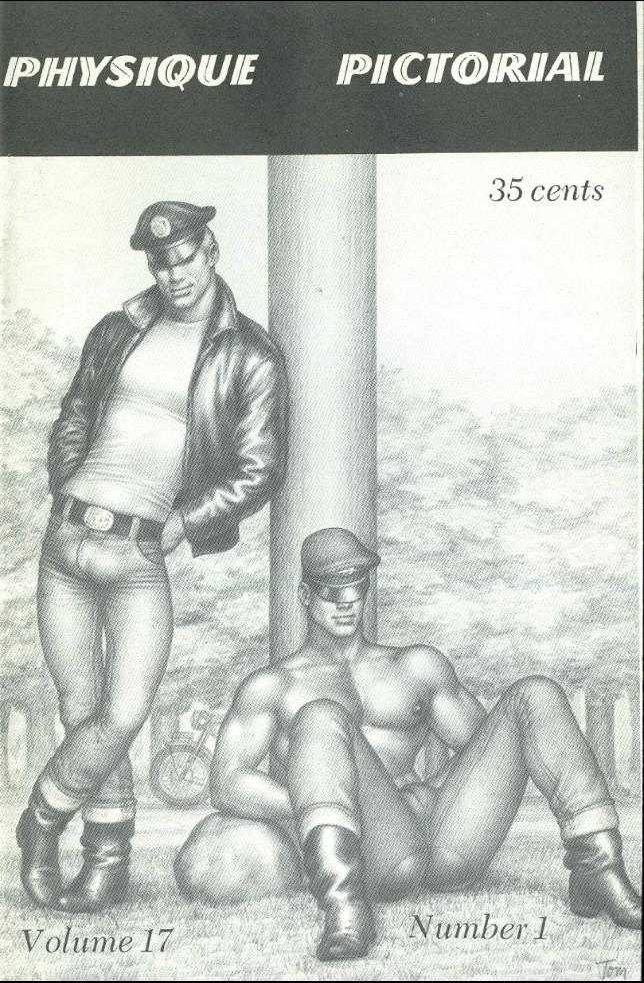
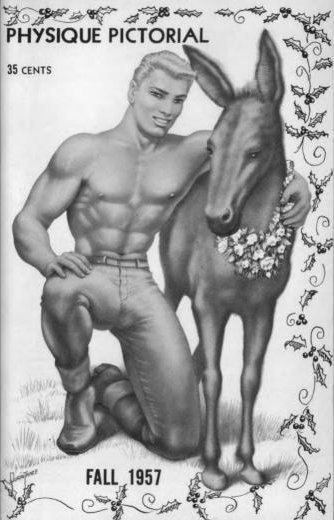
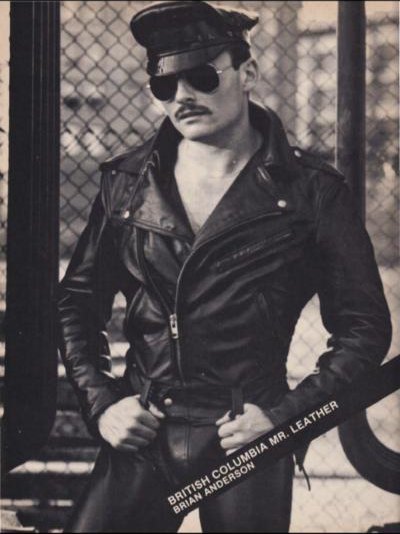
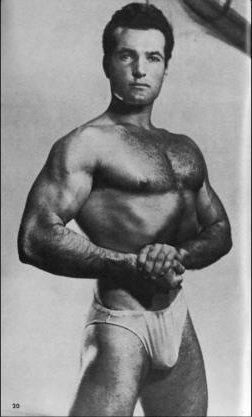
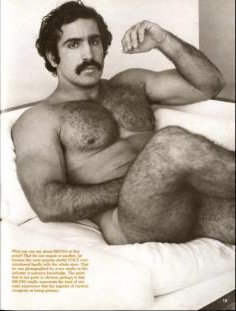
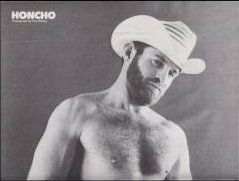
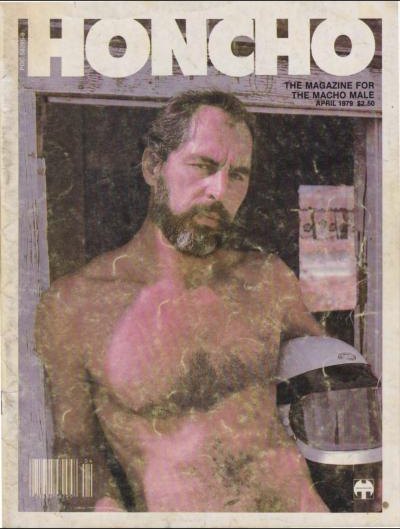
The physique magazines of the 1950s and 60s mostly sold smooth, oiled bodies, but not always. A 1964 Grecian Guild studio shot shows a classic flex on a chest nobody had bothered to shave. By the late 1970s the glossies had swung all the way around: beards, chest hair and a solid build were the look on the cover of Honcho.
Naming the bear
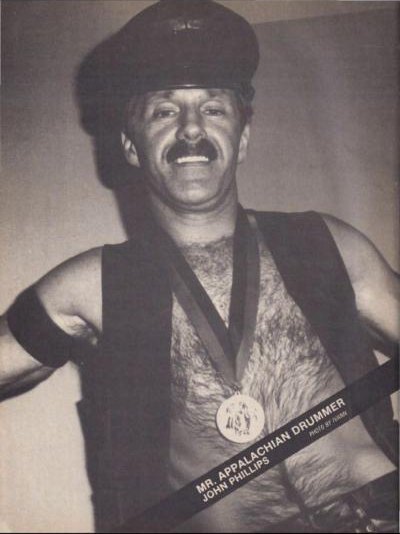
In 1970s San Francisco, men had a loose habit of calling any hairy guy a bear. In November 1982 the editor Jack Fritscher put the word "bear" on the cover of California Action Guide, the first magazine cover to use it in the gay sense. Fritscher had already edited Drummer, where big, bearded leathermen were the norm.
1987: Bear magazine
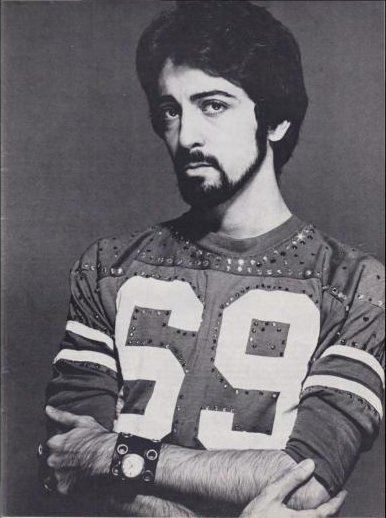
In 1987 Richard Bulger and his partner, the photographer Chris Nelson, started Bear in San Francisco as a photocopied zine. Bulger said the first edition ran to only 45 copies. It grew out of the biker crowd around the Lone Star Saloon, and Nelson's black-and-white portraits set the look of the bear for a generation. His book The Bear Cult followed in 1991.
Bear art for the wall
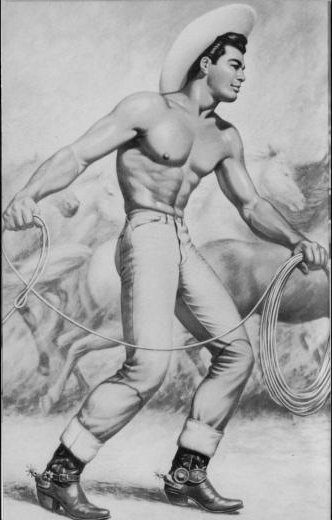
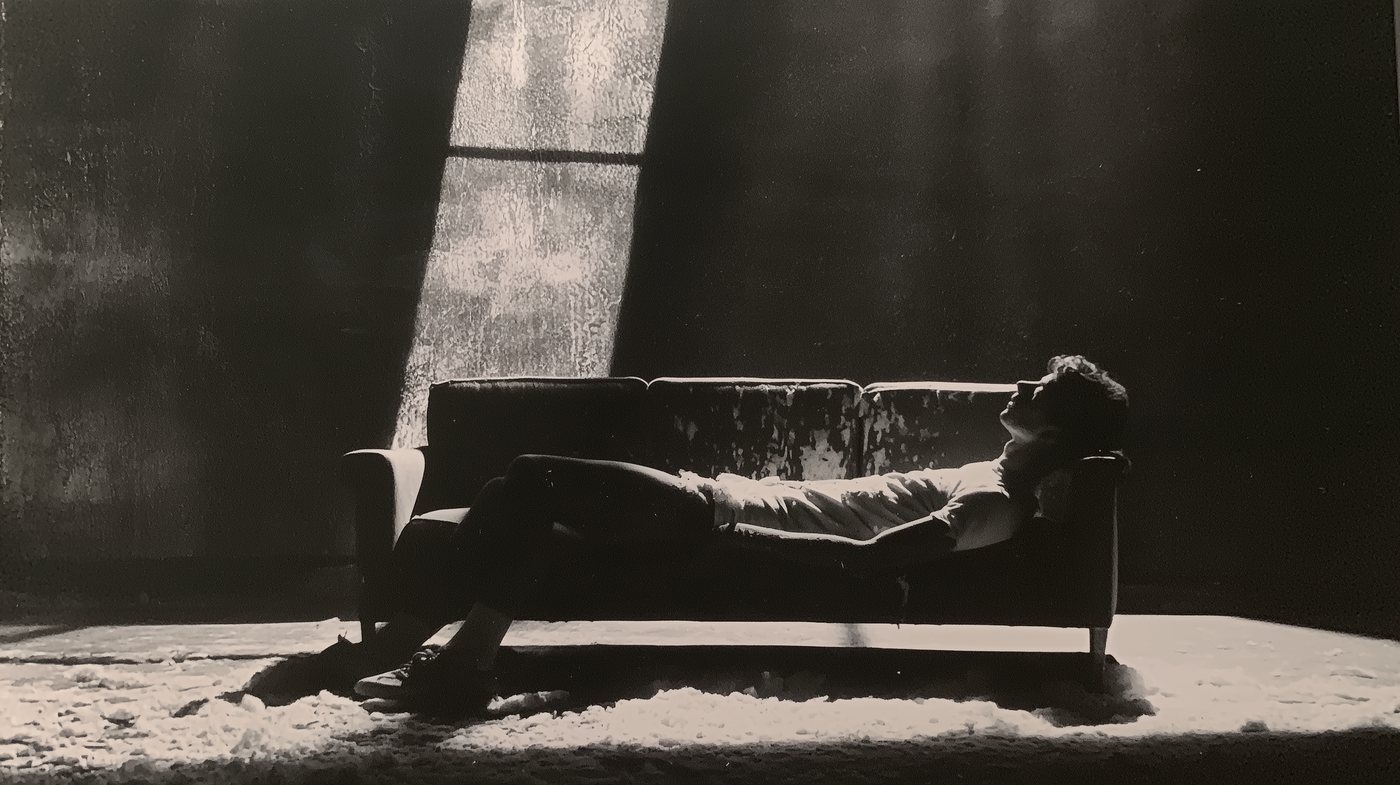
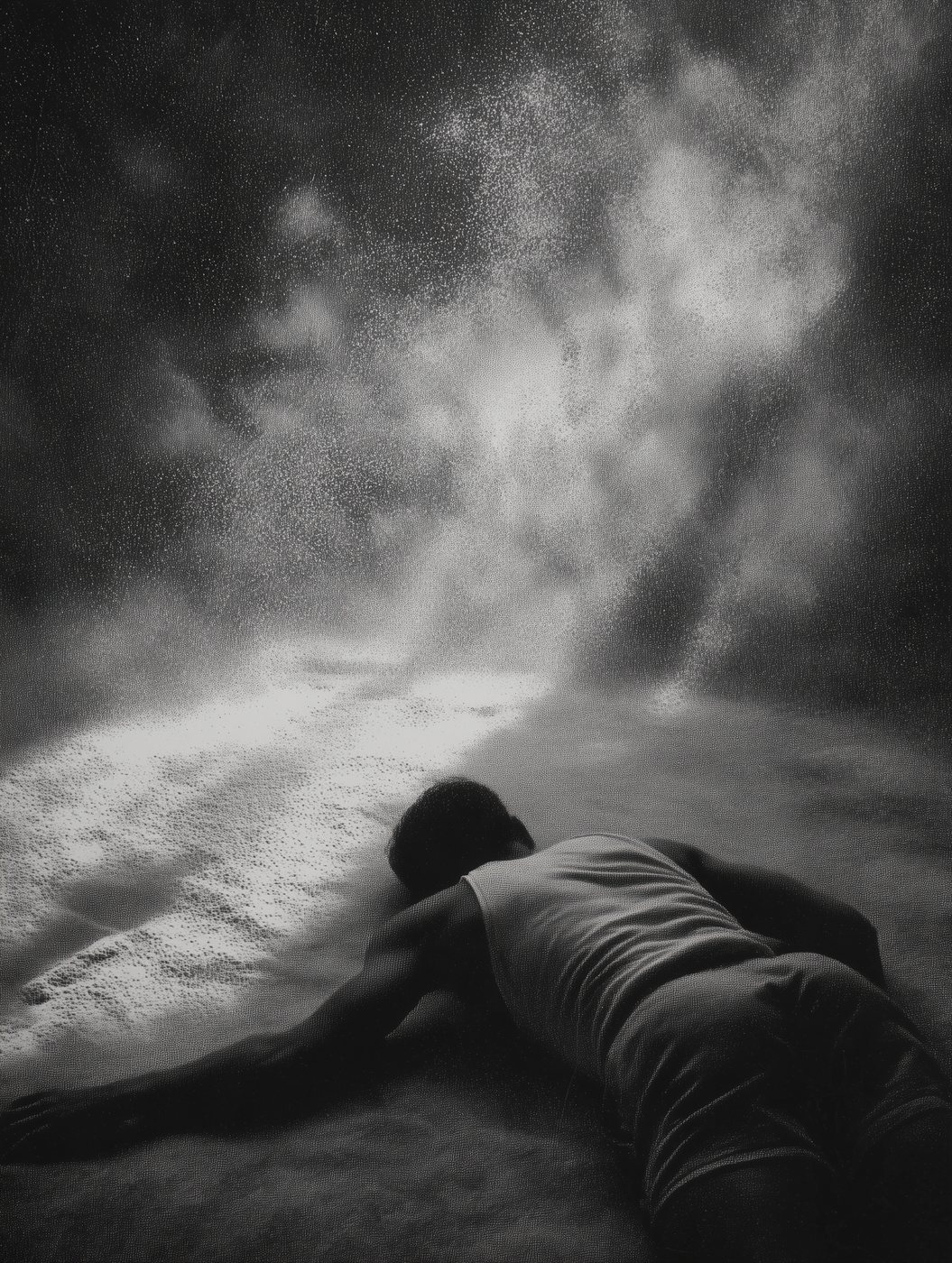
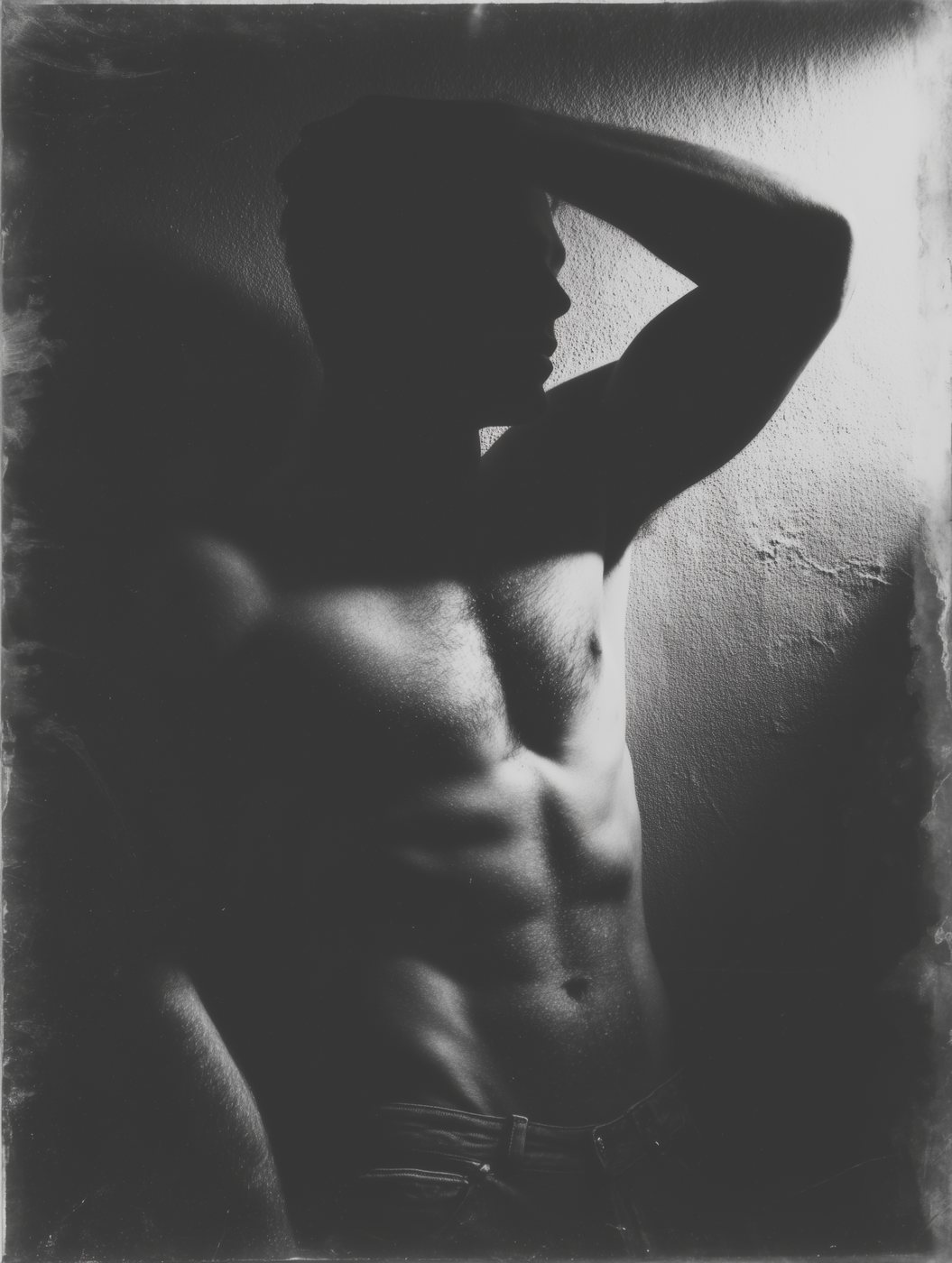
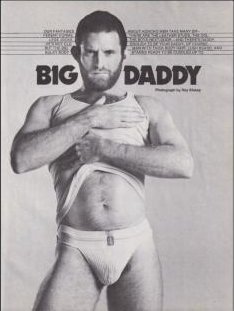
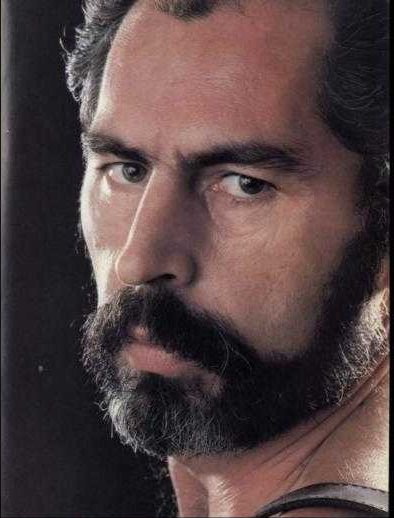
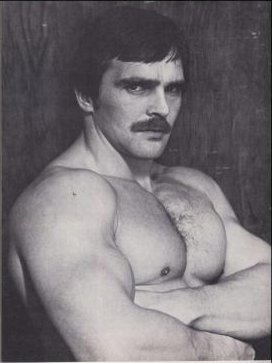
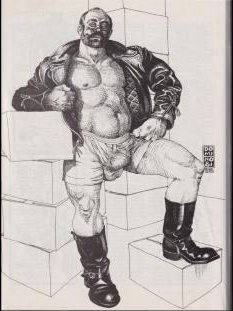
Bear art works best big and moody: a beard, a cap, a stare. Look in the archive for Honcho and Drummer portraits of the late 1970s and early 80s, then pair one with a mustache-era clone or a cowboy. The hotter ones are in After Dark.
Quick answers
When did bear culture start? The word was in use in San Francisco by the early 1980s; Bear magazine, founded in 1987, made it a movement.
Who founded Bear magazine? Richard Bulger and the photographer Chris Nelson.