A size queen, in gay slang, is a man who prefers his partners well endowed, and does not mind who knows it. By the 1960s and 1970s gay men had a whole taxonomy of queens: muscle queens, size queens, and dozens more that have since dropped out of use. In 1972 a San Francisco writer named Bruce Rodgers published The Queens' Vernacular, a lavender paperback lexicon of more than 12,000 entries, mostly slang from the 1950s to the early 1970s, gathered by interviewing men in bars, steam baths, dance halls and on street corners. It came out three years after Stonewall, when homosexuality was still illegal in 46 states.
The pouch
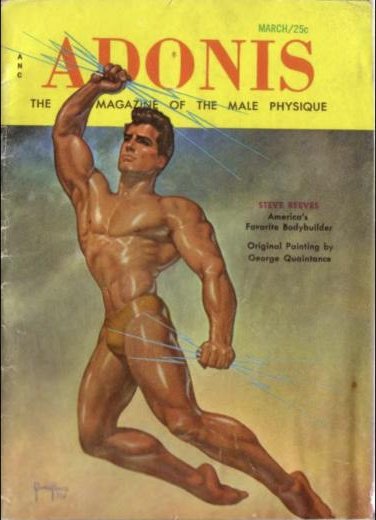
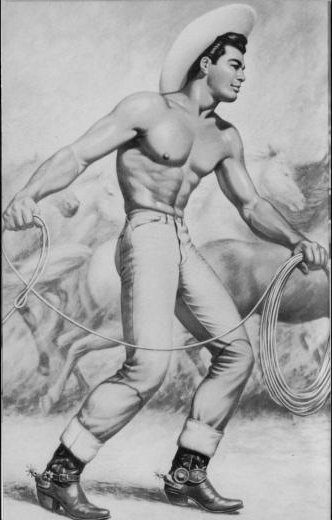
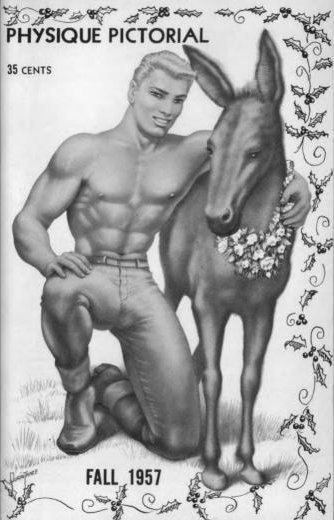
Physique magazines ran from the early 1950s to the mid-1960s, and their alibi was health. Bodybuilding, classical art, "studies in masculine form." Full nudity could not go through the mail, so the posing strap, a pouch on a string, was as far as a page could go. Everybody looked at the pouch. The captions helped: many studios printed a model's full measurements under his photograph, chest and arms and waist, and readers did the rest of the math themselves.
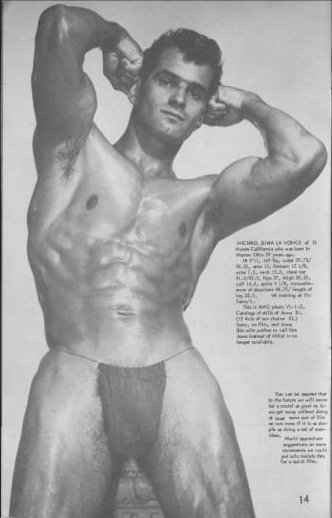
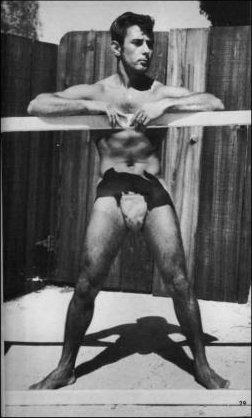
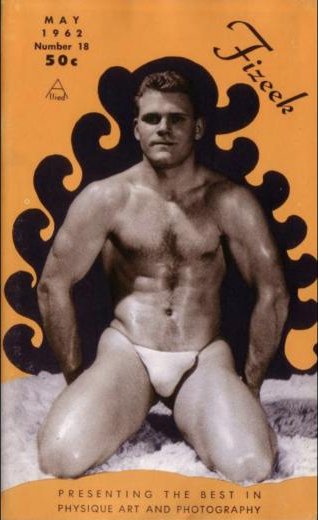
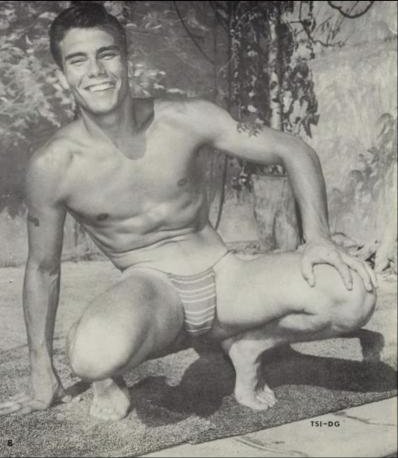
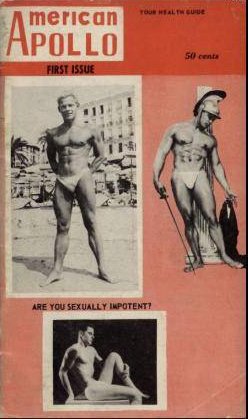
The alibi was health. Everybody looked at the pouch.
The Post Office vs. the pouch
On March 25, 1960, the postmaster in Alexandria, Virginia, seized six parcels holding 405 copies of three physique magazines from the publisher Herman Womack: MANual, Trim and Grecian Guild Pictorial. The Post Office declared them obscene and unmailable, and an appeals court agreed. Womack took it to the Supreme Court. On June 25, 1962, in MANual Enterprises v. Day, the Court reversed: the magazines were not obscene and could not be kept out of the mail. It was the first case involving the physique trade, or any gay content, to reach the Court, and it is often called the first gay rights victory there.
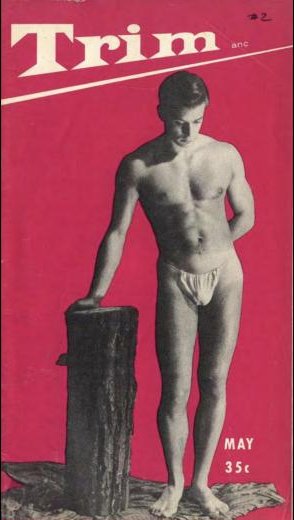
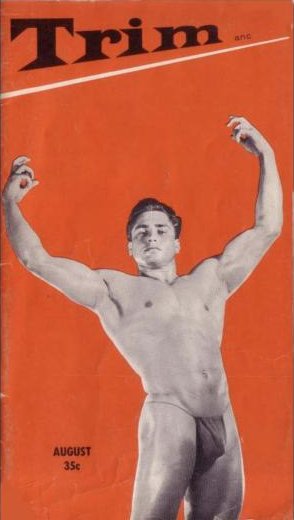
After the strap
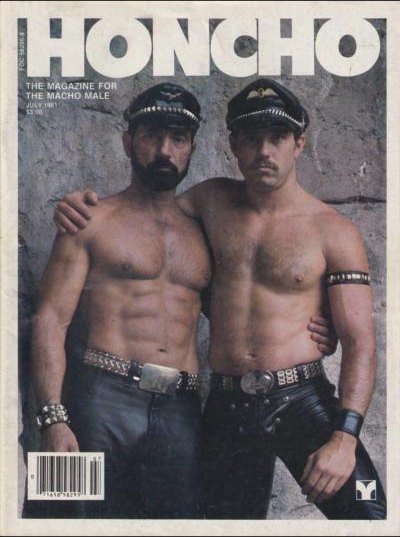
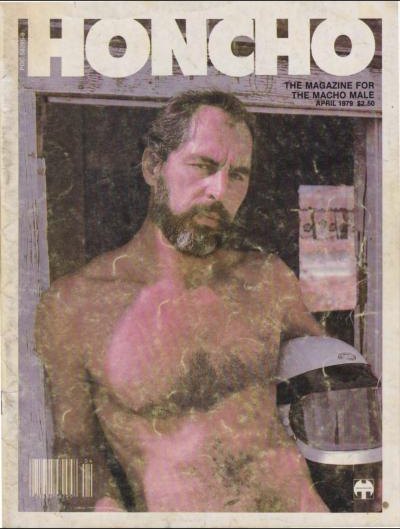
The ruling helped open the door, and within a few years the pouch was on its way out. As the law loosened through the 1960s, the physique genre faded, the newsstand monthlies arrived, and measurements stopped being implied. The queens kept their vocabulary.
Now
Size never left the conversation; it just moved into your bio. This month Grindr bought Freddie, the health brand whose magazine runs a frank explainer on what a size queen is and why it is worth thinking about where our preferences come from. The 1962 Supreme Court would have needed a lie down.