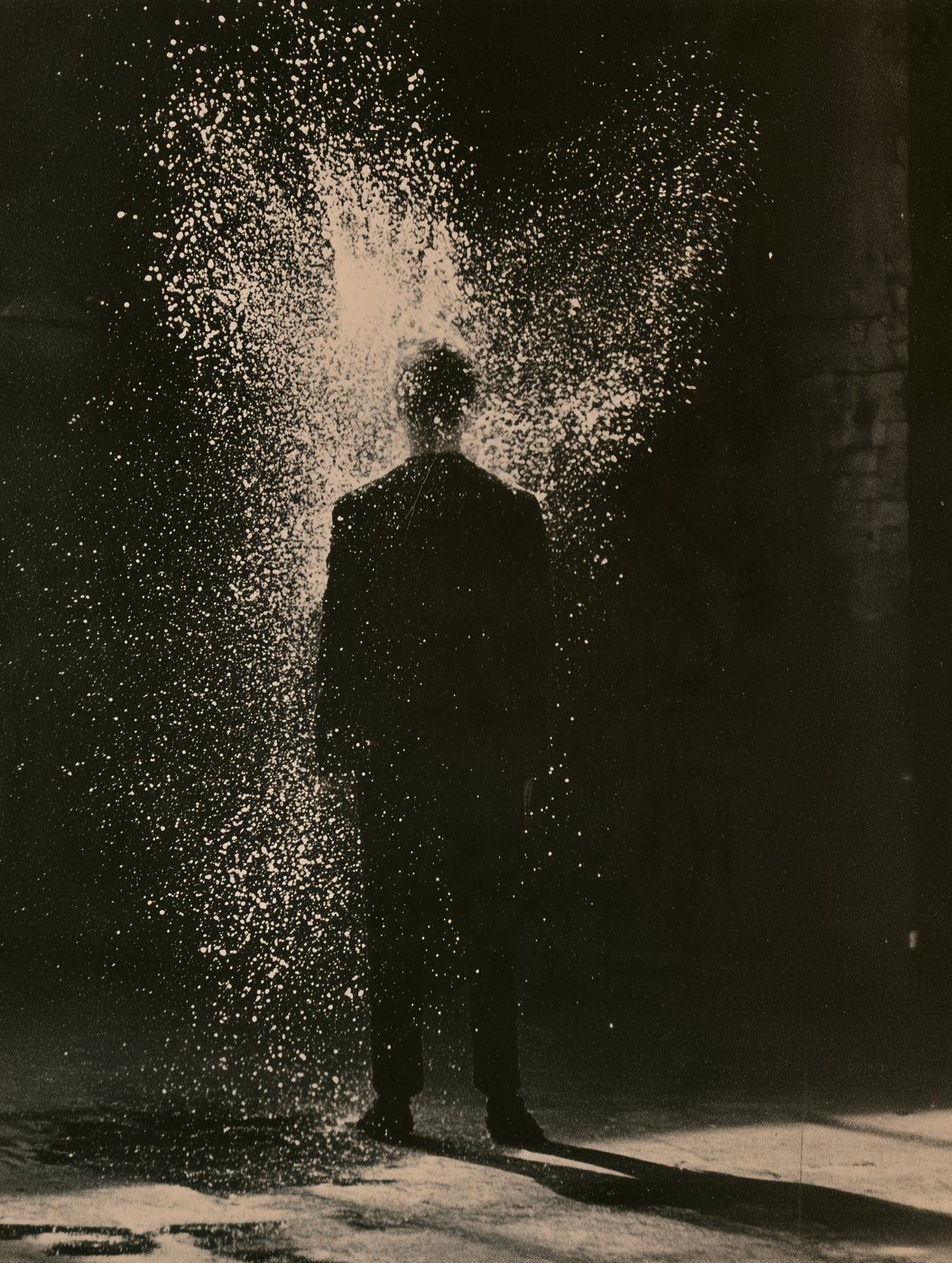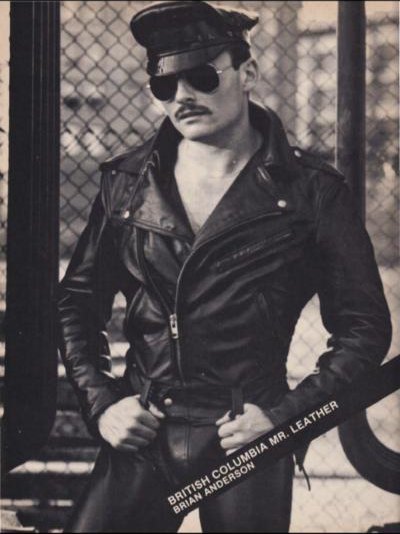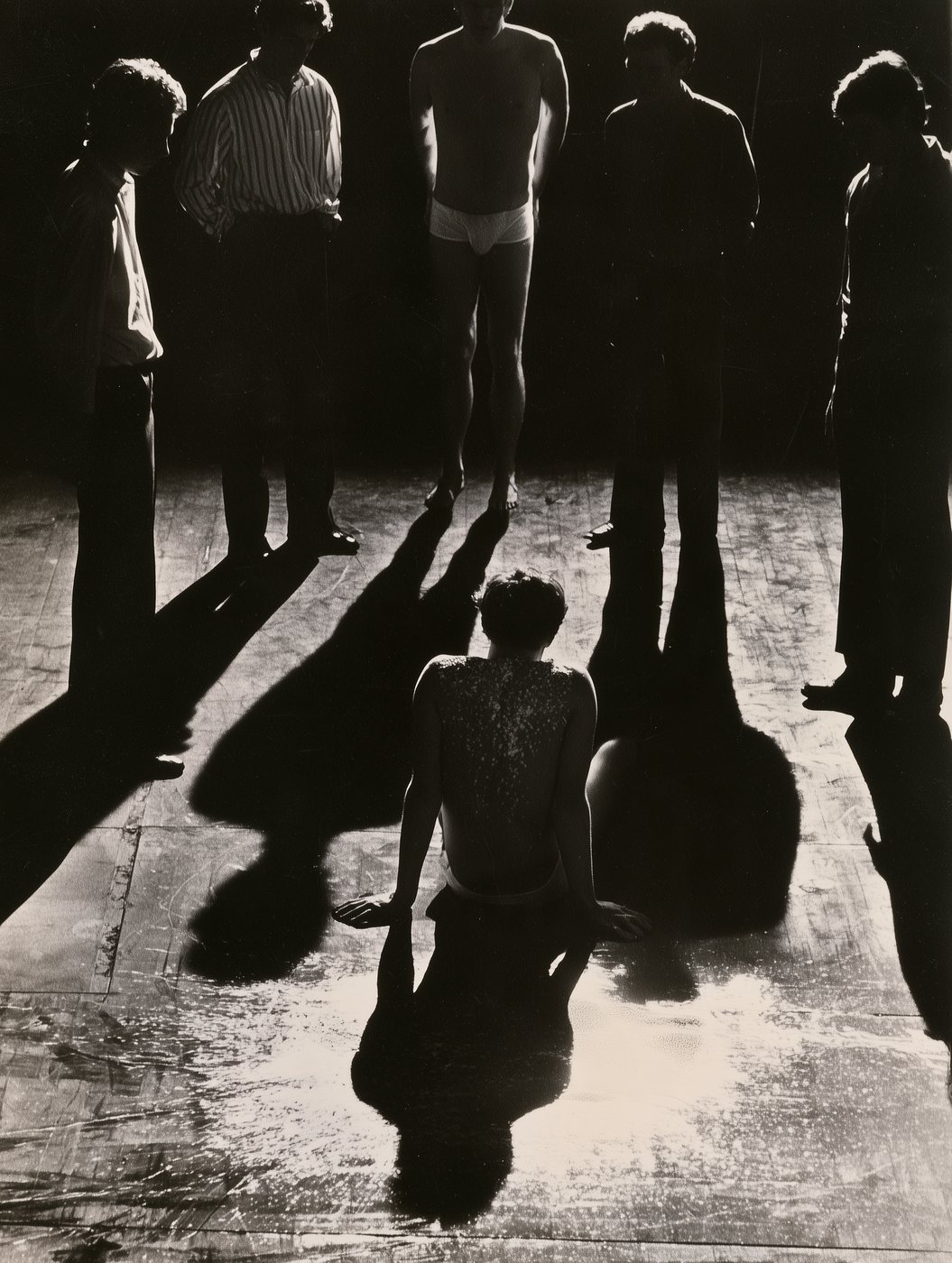
On Tuesday, November 17, Grindr switches on Edge worldwide: an AI-powered premium tier at $120 a month. Nearly 400,000 men signed up for early access within 72 hours, and Grindr says it will cap Edge at about 1 percent of its roughly 16 million monthly users. A gated community, in other words. The company just posted $141.4 million in quarterly revenue, up 22 percent. That is a very large business built on a very old question: who near me is gay, and are they looking?
2009
Grindr launched on March 25, 2009, nine months after the iPhone 3G, on $5,000 of Joel Simkhai's own money, run out of his living room. Ten thousand men downloaded it in the first month. That June, Stephen Fry showed it off on BBC television and traffic doubled within minutes. The pitch fit on a matchbook: men, sorted by distance.
The paper app
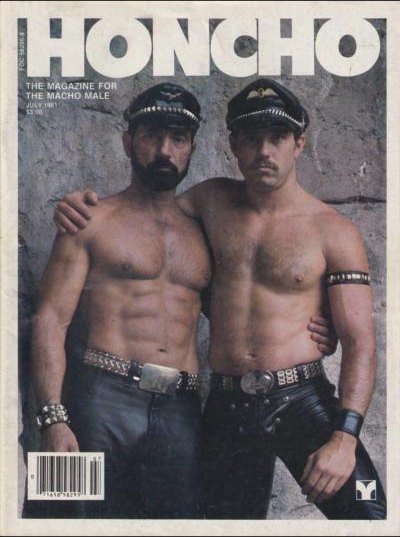
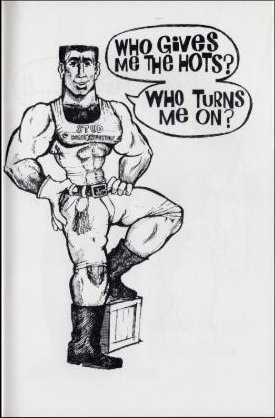
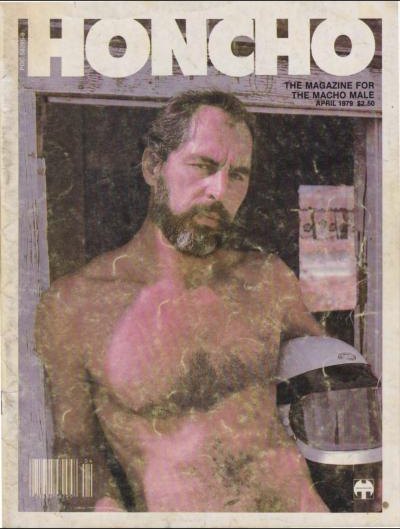
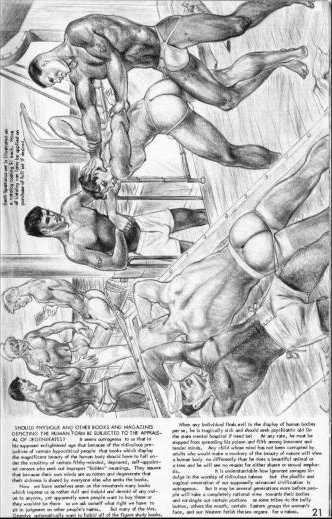
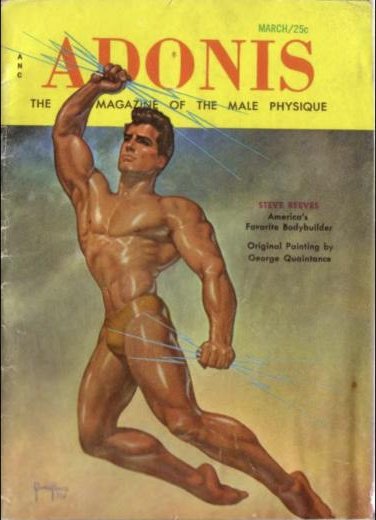
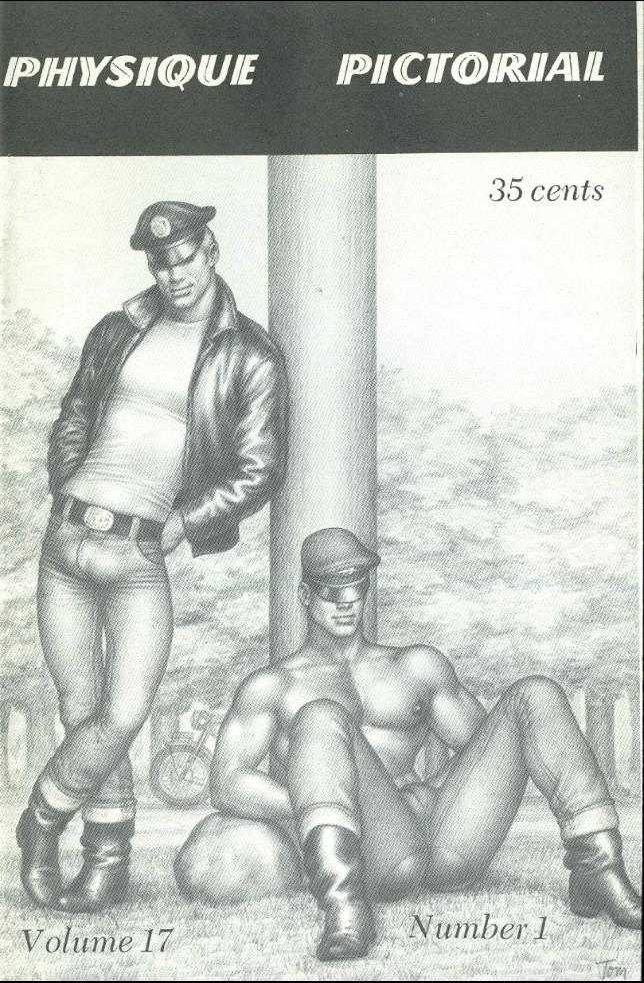
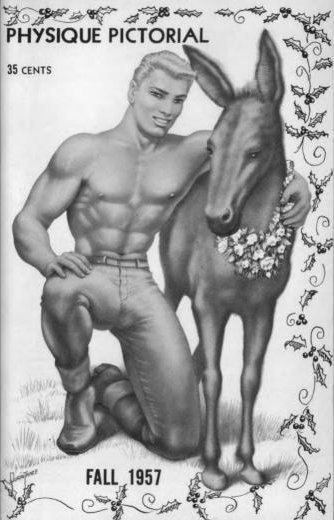
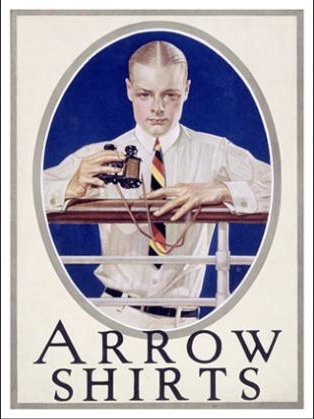
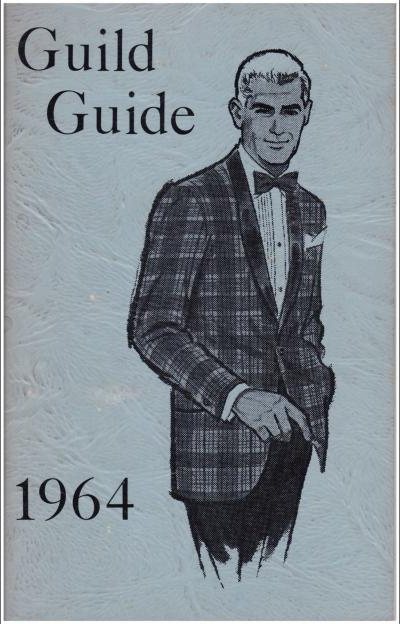
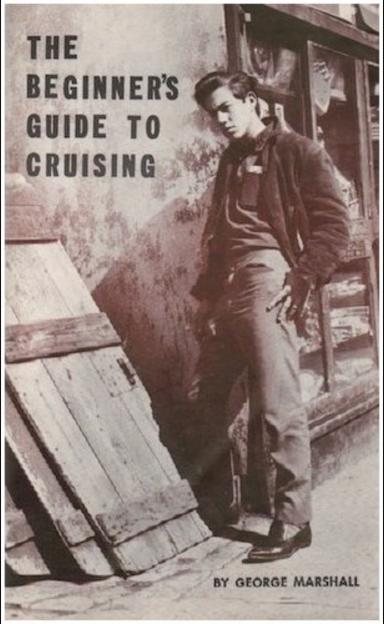
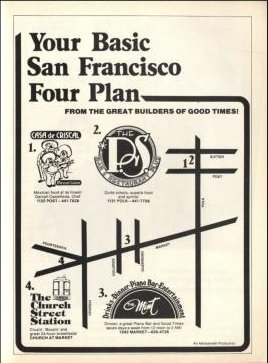
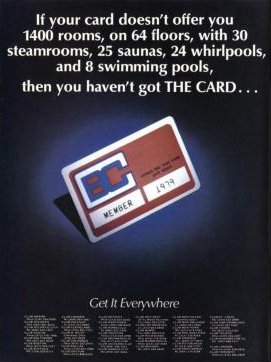
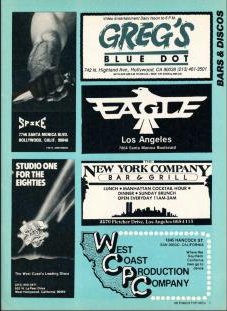
Before GPS, that question had answers too. They were printed, mailed and tucked into glove boxes. A 1953 issue of ONE carried a small ad for a Hollywood bookshop. The Guild Guide of 1964 was a gay bar directory dressed up as a menswear catalogue, and the same year the Damron Address Book went into circulation. By the late 1970s the monthlies were running map ads: four Castro bars and restaurants on one page, a whole Chicago directory on another, and a bathhouse chain membership card promising 1,400 rooms. That is a loyalty program.
The back of the store
Then came the booths. Twenty-five-cent peep shows started arriving in Times Square in 1966; Martin Hodas, later called the King of Peeps, rigged old coin film machines with stag reels. By the mid-1970s there were nearly 150 sex shops around Times Square. The adult bookstore had a simple layout: magazines in the front, booths in the back, and men in the narrow hallway between, looking at each other instead of the screens. In West Hollywood men cruised from their cars between Book Circus on Santa Monica Boulevard and Drake's down the street, jamming traffic.
Same app, different interface
The bookstore was location-based. It just made you show up.
What killed it
Video, then zoning, then the internet. Between 1984 and 1993 the number of adult bookstores, peep shows and video stores in New York City went from 29 to 86, mostly on the back of VHS. In 1995 the city adopted adult-use zoning rules that pushed them out of almost every neighborhood. Chat rooms came next, then hookup sites, then the phone in your pocket.
Edge will now write your opener for you. The bookstore never did that; it just put you in a room with the possibility and let you sweat. Neither is purely better. One of them smelled like Pine-Sol.