Here is something your grid cannot do: smell like salt and pine sap at one in the morning. For about seventy years, a scrubby half-mile of dune between two hamlets on a barrier island off Long Island did exactly that, for men who had very few other places to go.
The Grove
Cherry Grove started turning gay in the late 1920s, when artists and bohemians began drifting out from the city. By the 1940s it had a summer scene of its own, with W. H. Auden among the regulars. Next door, Fire Island Pines was developed after the Second World War and grew into the glossier, richer neighbor: modern houses, pools, tea dance at the harbor.
The Rack
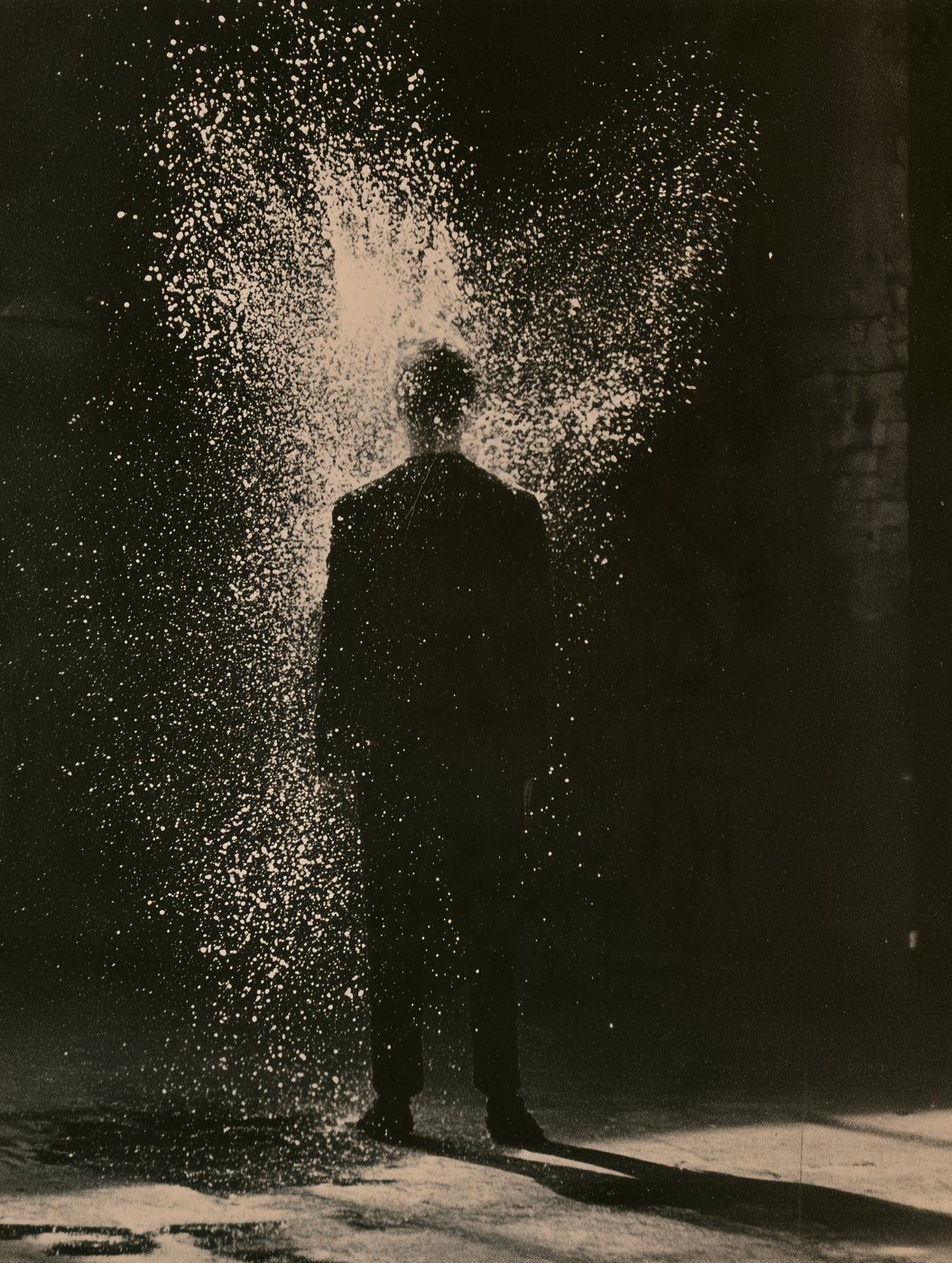
Between the two towns runs a stretch of scrub pine and dune officially called the Carrington Tract. Nobody calls it that. It is the Meat Rack, sometimes the Judy Garland Memorial Forest. Cruising in the Grove first happened on the boardwalks, moving from one to another night by night; as the town filled up, it moved east into the woods. The Pines historical society dates the paths to the early 1950s. On foot, Grove to Pines takes about a quarter of an hour, if you walk straight through. Almost nobody walked straight through.
The police knew the address too. Just after midnight on August 25, 1968, plainclothes Suffolk County officers swept the dunes and arrested 27 men on misdemeanor sodomy charges. Advised to plead not guilty, the men took their cases to trial and were acquitted one by one. Older Grovers still tell about men who dodged raids by wading out into the bay. Ten months later, Stonewall.
The grid shows you who is 400 feet away. The dunes made you walk the 400 feet.
The movie
In 1971 Wakefield Poole, a Broadway dancer and choreographer, borrowed some friends and about $8,000 and shot a film over a series of weekends in the Pines. Boys in the Sand opens with Casey Donovan walking out of the surf, and it more or less sold Fire Island to the world. It premiered on December 29, 1971, beat Deep Throat into mainstream conversation by six months, and became the first gay adult film reviewed by Variety.
The Polaroids
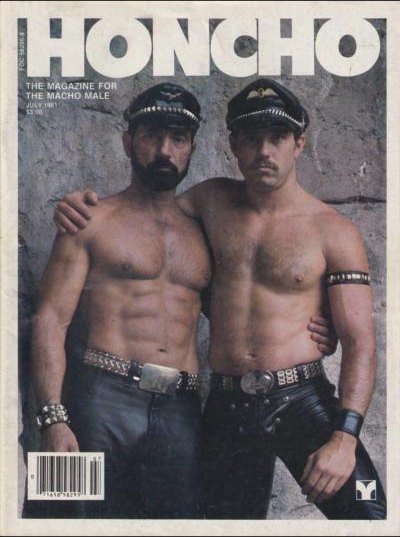
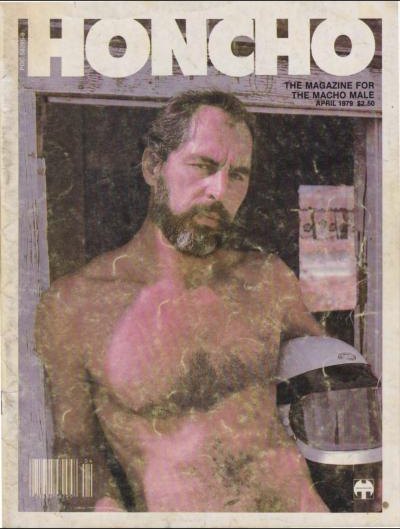
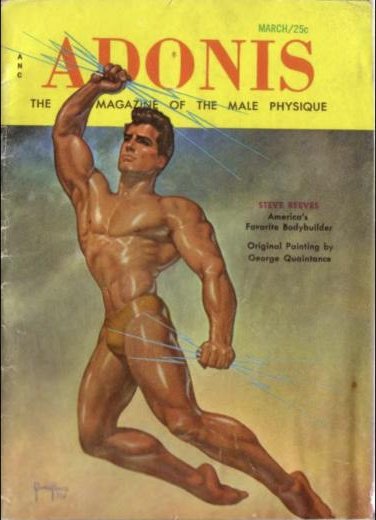
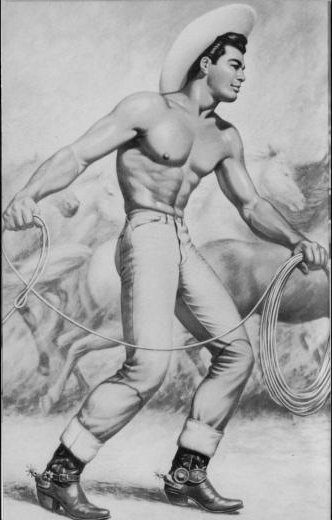
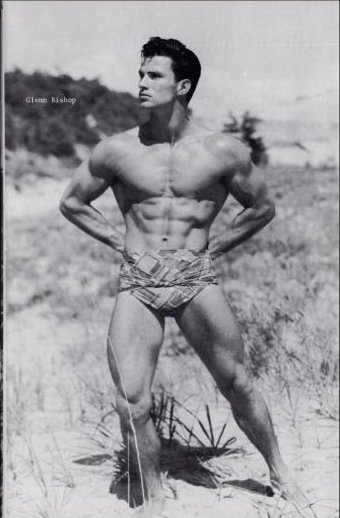
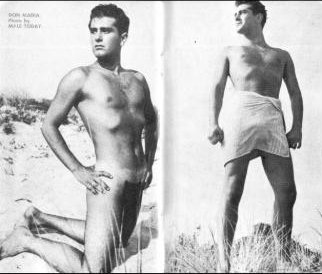
Tom Bianchi grew up outside Chicago buying 25-cent physique magazines, and in one of them he found a photograph of the bodybuilder Glenn Bishop on Fire Island. He got there himself in the early 1970s, a young corporate lawyer, and from 1975 to 1983 he shot the Pines on an SX-70: pool decks, porches, friends in bed, framed at first so you could not see who was who. He laid the prints out on tables for everyone to look at. The book, Fire Island Pines: Polaroids 1975-1983 (Damiani, 2013), is the closest thing we have to a group chat from 1979, and it ends where AIDS began taking the people in it.
The Invasion
In the summer of 1976, a Pines restaurant refused to serve Terry Warren, a Grove regular who turned up in drag. Her friends did not write a letter. On July 4, the Bicentennial, the Grove's newly crowned homecoming queen Thom Hansen, known as Panzi, led a water taxi full of queens across the bay to the Pines harbor. The Pines, to its credit, cheered. The Invasion of the Pines has happened every Fourth of July since; this summer was the 50th.

Now
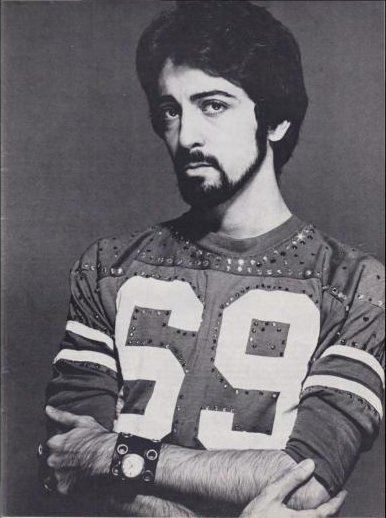
Fire Island in 2026 still fills up every summer. Larry Stanton's portraits of his 1970s friends hung in the Pines through early August, the 50th Invasion docked on the Fourth, and the Meat Rack is still there between the two towns, quieter than it was. Grindr and Sniffies turned every block on earth into a cruising ground. People still take the train, the van and the ferry to this one anyway, because location-based was always the point. The island just did it with better light.